



April Monthly Gardening Guide for San Antonio
Will April Showers Bring May Flowers?
When April arrives, we are prety much in the clear to plant to hearts content! Trees and shrubs need to get in the ground to get roots establsihed before the heat of summer, or you can expect to do a lot of extra maintenance to help them through their first summer. Take a look at what else you can be doing to make sure your spring gardening season is a success.
See our full guide below, and download our free PDF quick guide for easy reference.
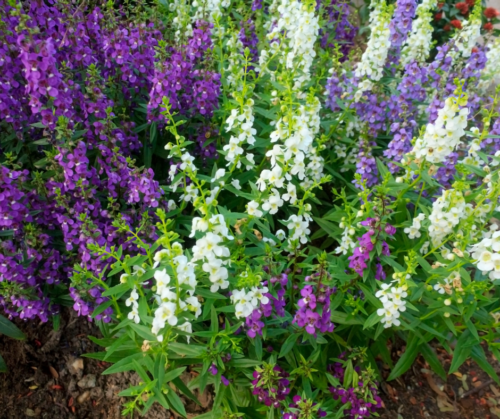
April Garden Tasks By Plant Type
Annuals
Annuals
- Direct seed warm-season annuals into the garden.
- Establish warm-season annuals this month; at planting, water them in with a soluble fertilizer to get them started right.
- Fertilize both your warm-season annuals and established cold-season annuals with a complete formula (10-10-10).
- Annuals are great for container planting; you can find sun-lovers or shade-lovers in abundance now.
- Watch new annuals closely for caterpillars munching or aphids sucking their sap. Early detection is key in pest control.
- Look for transplants of snapdragons, petunia, penta, vinca, begonia, torenia, and more.
Bulbs/Rhizomes/Corms
- Plant summer-flowering bulbs (canna, elephant ears, caladium, etc..) Selections at the nursery should be great this month. Buy your caladium tubers while we have them in stock, BUT WAIT to plant them until soil temp is consistently 70 degrees or higher.
- Water consistently to keep the root zone moist, but not soggy.
- Add plant markers when you plant your bulbs. It’s easy to forget where they are.
- Finish dividing established bulbs. Tip: (Most bulbs benefit from dividing every 2-3 years),
- Remove spent flowers and seedpods from existing spring-flowering bulbs, but leave foliage alone until it is completely yellow. (This keeps energy flowing into the bulb for next year.)
- Fertilize existing bulbs if you didn’t last month. (Espoma Bulb-Tone).
- Have a hardy amaryllis in a pot that you bought this past fall? You can plant them in the garden in a spot that gets morning sun and afternoon shade.
Shrubs & Trees
- Prune spring-blooming shrubs when their blooms fade.
- If needed treat shrubs with iron deficiencies (green veins on yellow/green leaves, especially new leaves) with a chelated iron product.
- Finish planting container grown shrubs, might be the last month to do so without having to be hyper vigilant about their water needs throughout the upcoming hot summer.
- It’s most likely too late to dig up and move shrubs now.
- If you didn’t fertilize shrubs last month, do so now with a premium, slow-release fertilizer.
- Last call for planting trees without the need for extra maintenance or being more likely to encounter problems with them struggling to get established in the heat. (See our fall planting guide)
- Water newly planted trees by running the hose to it a few inches from the trunk and let it trickle for 30-45 minutes each week. This allows for a slow, deep soak to the roots. Watering like this, only once a week, allows the roots to adapt to infrequent watering and learn to eventually rely on rainfall to survive.
- If needed, treat trees with iron deficiencies (green veins on yellow/green leaves, especially new leaves) with a chelated iron product.
Veggies & Herbs
Herbs:
- Once evening temps reach the 70s, plant basil, lemon balm, and mint.
- Make plans for harvesting your cool-season herbs as they are at their peak season this month and will decline starting next month.
- Lightly fertilize herbs or apply an inch of compost and then an inch of leaf mulch, which will decompose slowly and feed the soil nutrients.
Veggies:
- Tomatoes you’re already late! Get your tomatoes planted now, as they will shut down when the heat rolls in.
- All warm-season veggies can be planted this month. Don’t delay planting; next month will be pushing it to get a good harvest before the heat sets in. The nurseries now have a great selection of warm-season veggies. Many can also be direct seeded.
- Stake or cage tomatoes when the first flower appears, place stake on opposite side of the plant’s stem.
- Pinch suckers (side shoots) on tomatoes. These are the stems that branch out where the leaves join the stem (in the “elbow).
- Veggie gardens need 1-2” of water each week; you need to supply it if the rain doesn’t. Veggies grown in containers dry out faster than those in gardens, you may need to check them daily.
- Melons can be planted by mid month.
- All veggies should be fertilized, except beans and peas. Always water in fertilizer.
Lawns
- It’s time for fertilizing your lawn. After you’ve mowed your lawn twice, you’ll know your lawn is awake and it is time to fertilize then. Apply a turf-type fertilizer, like Rainbow Garden’s Premium 19-5-9, to freshly mown grass and water in well.
- Sprinklers should get a tune up, but it may be hard finding the service because everyone waits until now to do it. (Plan to do it in fall or winter this year.)
- Good time to lay sod or seed a new lawn.
- If weeds are present in your lawn, mow and bag the clippings to prevent seeds from spreading.
- Post-emergent weed sprays are already iffy to use on St. Augustine. If the temperatures are consistently in the 80’s, they can burn or weaken your grass. Best to mow and bag, or pull weeds by hand.
Hardy Fruit, Nut & Citrus Trees
- Wait until new growth starts on citrus trees to prune off any damage done by previous freezes. This way you can easily tell what is alive and what isn’t.
- Prune trees as needed: Limbs that are hanging over or that are touching houses, branches that block any type of traffic, or any that are broken, etc.
- Spray pecan trees for gall insects if you notice green, round swelling on the leaves.
- Container grown fruit trees can still be added to your landscape, but get them planted this month.
- Newly planted fruit and nut trees can be fertilized a few weeks after producing new growth. Espoma Fruit and Nut is a good option. Use Espoma Citrus-Tone for citrus and avocados.
Perennials
- Remove spent blooms, and shear back leggy perennials by about 1/3.
- When planning and planting perennials, remember to keep their mature sizes in mind and space them accordingly.
- Good time to take cuttings of your perennials as they are developing new shoots to make more plants
- Fertilize spring-planted and established perennials. The same Rainbow Gardens lawn fertilizer, 19-5-9, that you use on your lawn is good for these too.
- Make plans to incorporate perennials that bloom in different season so you have interest all year round.
- Check out the SAWS WaterSaver Landscape Coupon program. You can build a money saving and water saving garden or landscape when you remove portions of turf and replace it with some fantastic perennials on the SAWS approved list.
- The nursery is FULL of perennials this time of year. Come in with a plan or you may overbuy!
Roses
- Great time to shop with your eyes for roses as they are in peak bloom.
- Remove spent blooms by cutting the shoot back to the first leaf with five leaflets.
- Roses that bloom only in spring can be pruned back after their flowers fade.
- Fertilize established repeat-blooming roses again this month.
- Make plans to develop a rose maintenance schedule that you can stick to regularly. Watering, Fertilizing, Fungal Prevention.
Groundcovers & Ornamental Grasses
- Hardy groundcovers can be planted now.
- Rake or blow fallen leaves out of your groundcovers, they need to catch the sun’s rays and the leaves block them.
- Take note of your landscape. If there are areas that grass does not grow because of shade you might plan to replace turf with groundcovers.
- Fertilize groundcovers if you haven’t already with lawn fertilizer, 2 cups per 50 sq. ft.
Looking Ahead to Summer
We know you are just getting excited about spring, but gardening is all about being prepped for what’s right around the corner.
While you are shopping for your beautiful and colorful plants and vegetables, don’t forget about the gardening items you may need once your plants are up and growing.
Take a look at this top 20 list for common pests and solutions, so you can grab a few products while you are already here. Prevention is key when it comes to pest control in the garden.
Local Expert Tips
🌿 Rainbow Gardens Tip #1:
Your phone is a great gardening tool. Add info about your plantings, reminders for when to finish a gardening task and so on. It’s always at your fingertips this way.
🌿 Rainbow Gardens Tip #2:
If you remember that gardening is a big bundle of trial and error, you can enjoy the season and take the good with the bad and learn along the way. It’s a journey. Embrace it.
Visit Us
Come see us this spring at Rainbow Gardens. It’s bustling, busy, and oh so gorgeous at the nursery this time of year.
Bandera Location
8516 Bandera Road
San Antonio, TX 78250
(210) 680-2394
Thousand Oaks Location
2585 Thousand Oaks
San Antonio, TX 78232
(210) 494-6131


