



August Monthly Gardening Guide for San Antonio
Midsummer is here. Make plans for your garden during summer vacation.
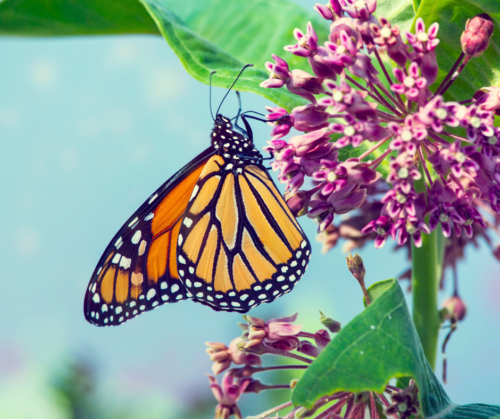
It’s all about planning for the fall this month. Begin to prep or plan your garden beds now and stay ahead of the curve. August starts our “2nd spring” here in San Antonio. Another round of warm weather veggies can be planted before the cold weather options roll in (and those can be started by seed this month in a protected, shady area. It is also very important to start getting your pollinator plants established so they will be ready and waiting for the fall pollinator migration that comes through our city in late Sep/early Oct.
See our full guide below, and download our free PDF quick guide here for easy reference.
August Garden Tasks By Plant Type
Annuals
Annuals
- Start seeds for early fall annual flowers, they take 6wks to be ready to go into the ground/garden in September. Try seeds like zinnia, marigolds, snapdragons, etc…
- Plan and prep annual beds for fall. If you had annual beds in spring, this might mean only having to add a couple of inches of compost to the soil and working it in.
- Hold off on buying any pansies and violas even if you see them, it’s still too hot and they will melt in a heartbeat.
- Continue watering and feeding the summer annuals you have to keep them looking the best they can through the Dog Days of Summer (hottest, driest days).
- Containers may need watering twice a day in extreme temperatures or drying winds.
Bulbs/Rhizomes/Corms
- If you’ve had cannas for 4-5 years, it’s time to divide them to keep them from overcrowding. After they finish blooming and their foliage dies back, you can dig up the rhizomes, cut any remaining stems down to about an inch, and then break apart the rhizomes (or use a sharp, sterile knife if they don’t break apart easily). Try to get some roots and at least one “eye” one each segment of rhizome for best success at replanting.You can replant rhizomes immediately after dividing.
- Be prepared to stake the majestic Philippine lily if you have one growing. The stalks for blooms can grow 4-6 feet.
- Give you last application of fertilizer to bulbs growing in the ground. 3-1-2 ratio. We like Espoma Bulb-Tone.
- Check bulbs growing in pots daily for water needs.
Shrubs & Trees
Shrubs
-
Hold off for another couple of months to plant shrubs, it’ll be the absolute best time of year to do so.
-
Apply 3” of mulch to shrubs if you haven’t already. You can find many free options such as the leaves you’ve saved from last fall, grass clippings, etc…Or use your Bonus Bucks to stock up on our bagged mulch.
-
Finish pruning non-flowering shrubs this month so you avoid stimulating new growth that could be damaged by freezes.
Trees
-
Hold off for another couple of months to plant trees (Oct/Nov), it’ll be the absolute best time of year to do so.
-
If you’ve planted recently, keep up with the ‘slow-trickle’ method of watering new trees if rain doesn’t fall for 5-7 days.
- You may even have to employ the rescue watering method for trees if we are experiencing extreme temps and drought.
- Watch for fall webworms, they are starting their most damaging time. Look for webbing around groups of leaves in the canopies of your trees. The easiest way to control is to use an extension pole and rip open the webs every few days to allow wasps in to eat the caterpillars. (Bt is also an effective control, if you can reach the webs, AND when the webworms are young.
Veggies & Herbs
Herbs:
- Retire your older basil and hand it over to the pollinators who enjoy all the blooms. It is a great fall nectar source for bees and small butterflies. Many of the basil plants that we planted in spring are starting to get woody, tasteless(bitter) and tired. Planting another round of basil is wise. Fresh basil will provide tasty flavor for our recipes.
- Harvest herbs regularly (morning harvests are best when oils are most abundant). Use fresh, dry or freeze them.
Veggies:
- Now is the time to plant tomatoes and warm season veggies like peppers, eggplants, squash, cucumber.
- Later fall plantings are broccoli, cauliflower, cabbage, Brusselsprouts, lettuce, etc…so save room in the garden.
- Bump tomato transplants up to the next sized container so they grow into large transplants that are producing or close to producing flowers by the time they need to go into the garden in a few weeks (Sept 1 – 15th) (They need protection from the hot afternoon sun while getting established.)
- We plant early in fall in order to get a harvest before a freeze because cooler temperatures make crops mature at a slower pace.
- When planting in established veggie beds that have been mulched, pull back mulch enough to set new transplants in the soil, and then replace mulch.
- Water in new transplants with a water-soluble fertilizer.
- Potatoes can be planted mid-month.
- Cut back tall okra to produce side shoots to harvest in early fall.
- Place shade cover over new seedlings in veggie beds for a couple of weeks to protect them from getting scorched in the hot weather.
- New transplants may need to be watered daily, while established veggies should be fine with watering twice a week.
Lawns
- If we’re having constant 100F weather, it is important to keep an eye out for drought stress in your lawn. Most lawns need 1” of water a week at least. Signs of thirst are light green, or blue-ish hues, wilting, blade curling, and footprint indentations that don’t opo back out. Brown spotting throughout the lawn can be a sign of prolonged drought.
- Evaluate how your lawn did through the summer so you can troubleshoot causes and prevent them next year.
- If your lawn is showing signs of gray leaf spot disease (diamond shaped lesions on blades). Do not give high nitrogen fertilizer during the summer months and through September, this exacerbates the problem.
- Chinch Bugs can still be attacking lawns, especially if it’s been extra hot and dry. Apply labeled insecticides.
- It’s best to hold off until the first decent rain in September to apply pre-emergent for weed control.
- Post-emergent weed sprays are not recommended now turf applications. With the high temperatures of summer, these products burn or weaken your grass. Best to mow and bag to keep seeds from spreading or pull weeds by hand.
- Keep lawns regularly mowed at the recommended height for your specific turf.
Hardy Fruit, Nut & Citrus Trees
- Continue watering pecan trees in order to kernels fill in shells adequately for a nice plump nut. Water should be applied at the dripline of the tree (not the trunk) and be a soaking watering. Late summer/early fall consistent watering is crucial for proper pecan development. Pecans need at least 2” of water each week from late July through October.
- Stop fertilizing fruit and nut trees this month.
- Monitor soil moisture levels, extreme temperatures may call for increased watering.
- Add a 2-4″ layer of mulch around the base of fruit and nut trees (never pile up against the trunk).
Perennials
- Cut back flowering perennials by 1/3, and fertilize them for a full fall bloom in time for the arrival of pollinators. This promotes fuller growth and gets them ready for another flush of flowers. Try Rainbow Bloom fertilizer.
- You will want to plant fall perennials for the pollinators. You’ll need to be hyper vigilant about watering them when planting in the heat of August. Shade cloth can be benenficial for the first 3 weeks or so of getting them established, to reduce heat stress.
- Choose fall-blooming perennials like Texas fall aster, Mexican Bush Sage, Mexican Mint Marigold, and sennas, perennial salvias and milkweeds. Disturb the roots as little as possible when planting and keep well-watered for a few weeks to get established. Otherwise, wait until the weather cools and fall is here to plant.
- More August into fall bloomers: coneflower, salvia, flame acanthus.
Roses
- Cut back repeat-blooming roses by 1/3 late in August into the first couple weeks of September.Fertilize and deeply water after any pruning.
- Hold off planting new roses this month.
Groundcovers & Ornamental Grasses
- Cut back groundcovers that have been run ragged by the summer heat. This helps them rebound for our fall pollinators, and allows them to look beautiful in the fall. Add a slow release fertilizer
- Make plans to add some ornamental grasses in your landscape if you haven’t already. They provide a spectacular show in fall. Grasses like Mexican Feather Grass, Purple Fountain Grass, Pink muhly grass and Carex Grass make a huge statement in sunny areas. For shadier areas use Liriope or Aztec grass.
Sun Protection is Key!
Even though we are talking about planting early for fall, it is still very hot during August in our area. Shade cloth is your friend. Any new transplants need to be protected from the hottest afternoon rays, and learning to monitor your soil’s moisture and keep up with watering is imperative.

Local Expert Tips
🌿 Rainbow Gardens Tip #1:
Seeds for fall plants can be grown outdoors in protected, shady areas. Just keep an eye on soil moisture.
🌿 Rainbow Gardens Tip #2:
You will not want to miss out on the incredible blooming season we have in fall. Let’s all do our part to support our local pollinators when they arrive on their long journey.
Visit Us
Come see us at Rainbow Gardens and we will help you get started with your fall garden prep!
Bandera Location
8516 Bandera Road
San Antonio, TX 78250
(210) 680-2394
Thousand Oaks Location
2585 Thousand Oaks
San Antonio, TX 78232
(210) 494-6131


