



Composting
On This Page:
Starting a Compost Pile
t’s easy to create your own compost. To be successful you only need a few items and elements. We’ll talk about each of them on this page so you’ll easily know exactly what you need to start your own compost pile. For those of you who don’t desire to make your own compost, Rainbow Gardens supplies soil conditioners and compost in bagged form at our nurseries for your convenience.
Starting a Compost Pile
t’s easy to create your own compost. To be successful you only need a few items and elements. We’ll talk about each of them on this page so you’ll easily know exactly what you need to start your own compost pile. For those of you who don’t desire to make your own compost, Rainbow Gardens supplies soil conditioners and compost in bagged form at our nurseries for your convenience.
1. Space:
You can purchase a compost bin, make one, or start composting in an area on the ground. A compost bin generally speeds up the compost process a little and can keep animals out of your compost, but they are generally more costly. A DIY compost bin can be as easy a 3 foot circle of fine wire mesh (¼” between wire) that stands 3-4’ high. Or you can make one from recycled pallets. You can also just let your compost pile start right on the ground.
2. Air Circulation:
The best conditions for rapid and thorough composting, allow for air circulation. Start your compost pile with 3” of coarse material like branches and twigs. Air can then circulate from the bottom and up through the compost pile. You also create air circulation when you turn your compost pile, which you will need to do regardless, every two weeks or so. Turn with a pitchfork, shovel, or garden probe, bringing the bottom of the pile to the top, opening air pockets in the process.
3. Carbon and Nitrogen:
The core of your compost is carbon and nitrogen, mostly in plant form. High carbon materials are dried leaves, bark, sawdust, wood chips, etc. High nitrogen/high protein materials are fresh grass clippings, vegetable matter, kitchen waste, and manure. Add these materials to the compost bin, in alternating layers, on top of your coarse layer, to a height of about 6”. When adding manure, just don’t add too much (probably only 10-15%).
4. Water:
Your compost needs water for the breakdown process. The compost should be moist, but not soggy; it should have the feel of a squeezed out sponge. In periods of prolonged rainy days, you may need to cover it with a tarp for a bit, otherwise your compost will get soggy, compacted and difficult to turn.
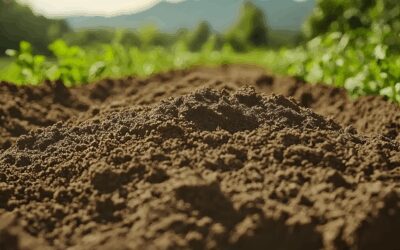
Start Smart: Build Better Soil for Gardening Success
Believe it or not, right now is the perfect time to build better soil for your vegetable garden (and flower garden). Whether you’re brand new to gardening or have been growing veggies for years, one thing never changes: 👉 Healthy soil is the foundation of healthy...
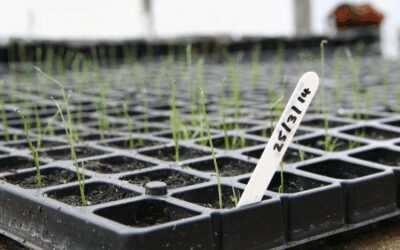
Germination & Seedlings: 7 Steps for Seed Starting Success
Starting seeds indoors is one of the most rewarding parts of gardening—but it’s also where small mistakes can lead to big frustrations. Follow these simple, proven germination steps to give your seedlings the best possible start. Make sure you go back and read our...

🌿A Gardening Resolution Plan for a Better Year in the Garden
A new year is the perfect time to build better garden habits. A gardening resolution plan can lead to healthier plants, fewer problems, and more success all season long. 1. Read Product Labels Every Time Labels matter. Take a moment to read what the product treats,...
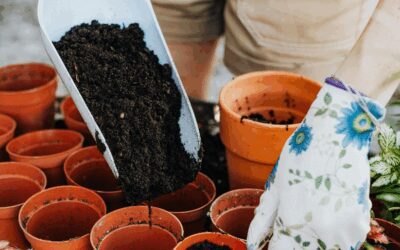
Seed Starting Soil: A Winter Guide for Healthy Seedlings
Starting seeds indoors during winter is one of the most rewarding ways to get a jump on the growing season—but success starts below the surface. Choosing or building the right seed starting soil is one of the most important steps for strong germination and healthy...
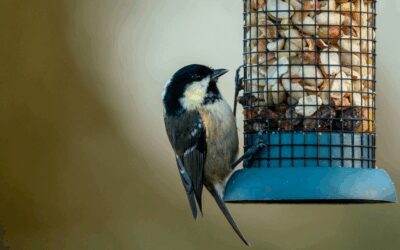
Feeding Birds in Winter: A Guide to Bird Feeders
While birds enjoy visiting bird feeders throughout the year, winter is one of the most important times to offer supplemental food. Cold temperatures make it harder for birds to maintain the calories they need to stay warm and active. Although there are many...

Gifts for Gardeners: Simple is Appreciated More Than You Know
Tis the Season of thoughtful gift giving. Do those word stress you out? if you have a gardener in your life, I'm here today to make the stress of buying "the right" gifts really easy for you. Really. I'm giving you a list of things that, although not glamorous, will...
Seed Germination Factors You Need to Know
Successful seed starting depends on a few essential seed germination factors. While every plant is a little different, most seeds rely on the same three basics to sprout: Light Temperature Water If even one of these factors is off, germination can be delayed—or not...

Pollinators in Winter: Simple Tools to Help Protect Them
Even though the garden looks quiet this time of year, there are countless pollinators in winter tucked away under leaves, inside hollow stems, and beneath the soil surface. Bees, butterflies, moths, ladybugs, and many other beneficial insects depend on safe hiding...

The Texas Two Step: Planting Products Made for Success
Successful planting starts long before leaves appear or blooms show off—it begins underground. For Texas gardeners, building healthy soil and inoculating roots at planting time can make the difference between a plant that merely survives and a plant that thrives. Two...

Winter is Time to Plan for a Better Spring Garden Season
When colder weather settles in for a long rest, many gardeners do the same. But winter isn’t just a time for rest—it’s the perfect time for reflection, and planning, so you'll be prepared next year to have an even more successful spring garden season. Taking time now...
Vermiculture: Worm Composting
Basic Requirements
A shallow container – about 12″ deep, with a cover to keep it dark inside the bin.
A controlled temperature – the temperature of the bedding material should not exceed 84º F. The optimum temperature range is 55-77º F.
Moisture – worms need water to keep their skin moist, but not so much that they drown
Ventilation – worms need air to breath. There are also other little organisms that are at work breaking down the organic material placed in the bin. These organisms need air. If there is not enough oxygen, the worms and other helpful organisms will die. Microorganisms that do not need air will move in, rotting the material in the bin and giving off unpleasant smelling gases as a byproduct.
Food – our trash is their treasure. Fruit, grains, vegetables, egg shells, coffee grounds, and tea bags are all fine. Avoid meat, fish, milk, fats and oils, and pet droppings.
How many worms will I need?
The first step to setting up a healthy worm bin is to determine how much organic matter will be added each week. (This may require some weighing until you feel comfortable estimating amounts.) Divide the amount discarded by seven to determine the average amount of daily waste. The recommended “worm to garbage” ratio is 2:1. So for each 1/2 pound of kitchen waste you should have 1 pound of worms.
What size worm bin do I need?
Again we return to the amount of waste produced each week. The minimum recommended amount of space is 1 square foot of surface for each pound of garbage. As an ex- ample:
If your household produces 6 pounds of waste per week, a good size for your bin would be 2′ x 3′ x 1′. Hint: It might be helpful to start with this size bin, restricting the amount of waste you add until you are familiar with the process.
How do I set up my worm bin?
Determine how many pounds of garbage you plan to dispose of in this manner.
Calculate the amount of worms needed.
Calculate the amount of surface space needed.
Secure a container of the proper size, either purchased or built.
Collect newspapers to shred, and a gallon jug to measure water. Example:
For a 2′ x 3′ x 1′ box, from five to eight pounds of newspaper is recommended. After weighing out the proper amount, begin shredding the paper into 1″ strips; crumple it up to prevent matting. Multiply the weight of the paper by three to determine the amount of water needed. (A gallon of water weighs approximately eight pounds.)
Mix the shredded paper and water thoroughly. It is very important that all of the paper be wet. If there are puddles of water remaining in the bottom of the container, pour them out or add more paper. Also mix in one to two cups of soil to supply grit for the worms.
When the worm bin is set up, open the container of worms and dump them on top. Spread any clumps of worms over the surface. The worms will start moving into the bedding to avoid the light. Leave the lid off and the light on; after about an hour remove any worms that have not made their way down into the bedding; these worms are probably not going to make it. It is now ready to add the food scraps.
Adding kitchen waste…
A good method is to divide the box into twelve imaginary squares. Rotate through the squares as you add material to avoid burying stuff in the same place too soon. Try not to “overload” the system.


