



Fall Garden Tips & Guides
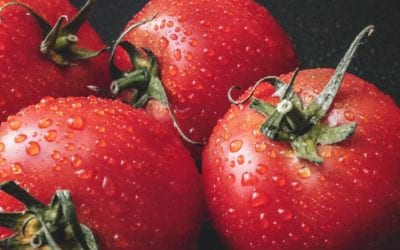
Growing Tomatoes: Tomato Likes and Dislikes
Growing tomatoes in spring is one of our favorite gardening experiences to look forward to here in San Antonio. We thought we would offer up a quick list of what tomatoes like and dislike for you to keep in mind when growing this favorite fruit (yep, tomatoes are...
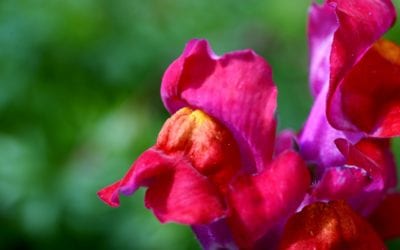
Snapdragons: A Celebration of Cool Weather Color
Snapdragons are an all time fall favorite flower around San Antonio. The cheerful blooms of snapdragons can quickly add colorful interest to your annual gardens or your container gardens. Snapdragons are pollinator attractors and provide gorgeous interest both fall...

How To Care For Perennial Mums Through Winter and Next Spring
Many people think mums are a quick one and done plant. Here for a quick seasonal burst of color and then pushed aside for cyclamen and pansies in a few weeks. I've got a few tips to think about when picking out your mums to time their blooms when you want the flowers...

Happiness has a Name and it’s Cyclamen!
While begonias and impatiens may not be up to the challenge of colder temperatures, cyclamen are colorful, shade-loving annuals that are willing to take on the challenge. With bright, bold, vibrant color, cyclamen are perfect options for seasonal change in your...
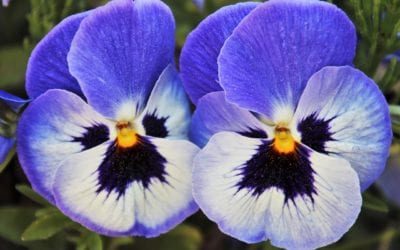
5 Tips for Success in Planting Pansies
Pansies have been a favorite cold-weather annual in San Antonio for a long time. So great is the love of pansies that sometimes, at the first cool breeze in early fall, San Antonio gardeners run out to buy pansies to switch out their pots and landscapes for the fall...
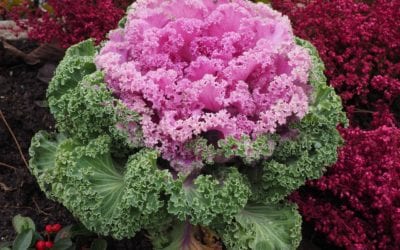
Cabbage and Kale: Ornamental or Edible
Cabbage and kale in vegetable and ornamental gardens are highly sought after during the fall and winter seasons of San Antonio, Texas. Whether you desire to plant them for aesthetic purposes or to enjoy on your dinner table, cabbage and kale are winter hardy crops...
Planting Calendar by Month
The planting dates on this calendar range from the earliest (in the spring, you might need to protect from late frosts) to the latest (in the fall, you might need to protect from early frosts). You will probably get the best results by planting in the middle of the range. And remember to keep an eye on the weather forecast!
Planting Calendar by Month
The planting dates on this calendar range from the earliest (in the spring, you might need to protect from late frosts) to the latest (in the fall, you might need to protect from early frosts). You will probably get the best results by planting in the middle of the range. And remember to keep an eye on the weather forecast!
Things to plant starting in Jan.:
- Peas, shelling, sugar snap & snow: Jan. 1–Feb. 15
- Cauliflower transplants: Jan. 1–Mar. 15
- Broccoli transplants: Jan. 15–Mar. 15
- Cabbage transplants – Jan. 15–Mar. 15
- Collards – Jan. 15–Mar. 25
- Turnip – Jan. 15–May 1
- Radish: Jan. 20–May 1
Things to plant starting in Feb.:
- Beets: Feb. 1–Apr. 20
- Carrots – Feb. 1–Mar. 1
- Kale – Feb. 1–Apr. 1
- Kohlrabi – Feb. 1–Apr. 1
- Leeks – Feb. 1–May 1
- Leaf lettuce – Feb. 1–Apr. 1
- Mustard – Feb. 1–Apr. 1
- Potato, Irish – Feb. 1–Mar. 15
- Swiss chard – Feb. 1–Apr. 15
- Chinese cabbage – Feb. 1–Mar. 15
- Tomato transplants – Feb. 15–Apr. 1
- Corn: Feb. 25–June 15
Things to plant starting in Mar.:
- Cucumber: Mar. 1–Apr. 15
- Pepper transplants: Mar. 1–May 1
- Squash, winter and summer: Mar. 1–May 15
- Watermelon – Mar. 1–May 1
- Beans, bush: Mar. 5–May 5
- Beans, lima: Mar. 5–Apr. 20
- Beans, pole or pinto: Mar. 15–May 1
- Cantaloupe: Mar. 15–May 1
- Eggplant transplants: Mar. 15–May 10
- Southern Peas: Mar. 20–Jul. 10
- Sweet Potato, slips: Mar. 20–May 31
Things to plant starting in Apr.:
- Okra: Apr. 1–Jul. 1
Things to plant starting in Jul.:
- Cantaloupe: Jul. 1–Aug. 15
- Eggplant transplants: Jul. 1–Sept. 1
- Okra: Jul. 1–Aug. 15
- Watermelon: Jul. 1–Jul. 31
- Southern Peas: Jul. 10–Sept. 1
- Squash, winter: Jul. 10–Aug. 15
- Pepper transplants: Jul. 15–Sept. 1
- Tomato transplants: Jul. 15–Sept. 1
- Rutabaga: Jul. 15–Dec. 15
- Beans, lima: Jul. 25–Aug. 20
Things to plant starting in Aug.:
- Beans, bush or pole – Aug. 1–Sept. 5
- Cabbage transplants: Aug. 1–Dec. 1
- Cucumber: Aug. 1–Sept. 15
- Garlic: Aug. 1–Sept. 30
- Squash, summer: Aug. 1–Sept. 10
- Corn: Aug. 13–Aug. 23rd
- Kale: Aug. 15–Dec. 15
- Kohlrabi – Aug. 15–Dec. 15
- Radish – Aug. 15–Dec. 15
- Swiss chard – Aug. 15–Dec. 15
- Turnip – Aug. 15–Dec. 15
- Potato, Irish: Aug. 20–Sept. 10
- Broccoli transplants: Aug. 20–Dec. 1
- Brussels sprouts – Aug. 20–Dec. 1
- Chinese cabbage – Aug. 20–Dec. 15
- Carrots – Aug. 20–Dec. 1
- Cauliflower transplants – Aug. 20–Dec. 1
- Collards – Aug. 20–Dec. 1
- Leaf lettuce – Aug. 20–Dec. 15
- Mustard – Aug. 20–Dec. 15
Things to plant starting in Sept.:
- Beets: Sept. 1–Nov. 15
- Celery transplants: Sept. 1–Dec. 15
- Head lettuce – Sept. 1–Dec. 15
- Spinach: Sept. 1–Mar. 1
- Strawberries transplants: Sept. 1–Oct. 15
Things to plant starting in Oct.:
- Onion seed: Oct. 1–31
Things to plant Starting in Nov.:
- Asparagus crowns: Nov. 15–Mar. 15
- Artichoke transplants – Nov. 15–Mar. 15
- Onion transplants: Nov. 15–Mar. 1st


