



January Monthly Gardening Guide for San Antonio
Your Spring Garden Starts Month One!
There is lots of gardening tasks for January. A New Year means a chance for a new garden. Seed starting season begins and it’s a great time to get a jump on spring growing.
See our full guide below, and download our free PDF quick guide for easy reference.
January Garden Tasks By Plant Type
Annuals
Annuals
- Cool-season transplants can still be set out in the garden. Pansies and Viola should see you well into spring.
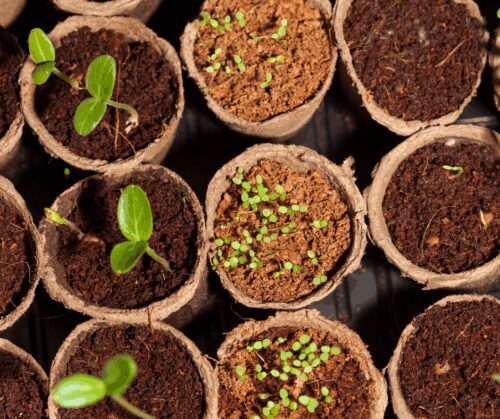
- Start seeds of alyssum, calendula, and nasturtium inside. You’ll need a bright window or help from a grow light.
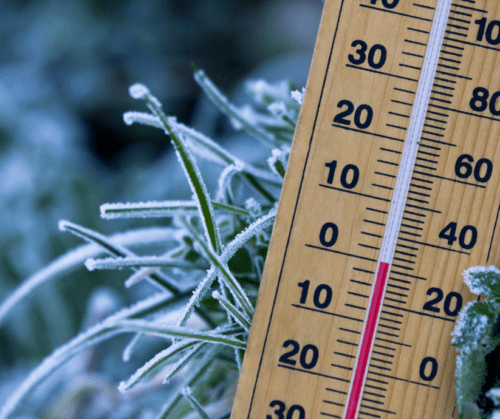
- Cover annual beds when a freeze is forecasted. (Cloth or fabric first, always, and then plastic.) Remove protection the next day when the sun comes out.
Bulbs/Rhizomes/Corms
- Some bulbs like Narcissus may already be blooming, if a severe freeze is predicted, might as well cut the blooms to enjoy inside because the freeze will damage the flowers.
- Plant Spring bulbs that have been chilled. (Tulips, Hyacinth, Muscadine)
- Good time to plant Bearded Iris, they can take the cold.
Shrubs & Trees
- You can, and should, still plant and transplant shrubs and trees this month. Sooner they get in, the quicker roots get established to help them survive their first summer.
- Hold off on fertilizing shrubs this month; newly planted trees dont need fertilizer.
- If you have shrubs/trees that are prone to scale (hollies, camellias, euonymus, privets, etc.) it’s a good time to spray with horticultural oils, as long as nighttime temps are above 40.
- Prune shade trees (NOT spring-flowering trees) so their wounds can heal fast in spring.
- If you place guy wires on new trees, they can be removed after 6-12 months.
Veggies & Herbs
- Plan your spring vegetable gardens so you know how many seeds to start indoors, or how many transplants you need to budget for.
- If your garden is empty, prep garden beds so veggies have the best soil to live in, or plant cover crops so soil doesn’t lay fallow.
- Start seeds of warm-season veggies (tomatoes) inside (place by bright windows or use grow lamps) to use as transplants in a couple months.
- Plant asparagus crowns this month.
- Last plantings of another round of cole crops should b planted to get a harvest before heat sets in during late spring. Fertilize current cole crops with a complete fertilizer. Apply about a teaspoon a few inches from the base of the plant, water in well, repeat every 4-6 weeks.
- Plant potatoes late this month.
Lawns
- Watering your lawn is usually not necessary, unless we are in a drought period.
- Check lawn for damaged areas that need to be replaced in spring (ex: chinch bug damage), or areas that may need to be replaced with groundcovers.
- Remove fallen leaves on lawn by mowing them to mulch, or collecting and putting in compost bin. Your lawn needs to catch the sun’s rays to replenish carbohydrates.
Hardy Fruit and Nut Trees
- Winter is the best time to plant hardy fruit and nut trees. The sooner you plant, the longer they have to get established before summer.
- Treat decidous trees with horticultural and dormant oil before buds swell to prevent and treat scale pests and more.
- Remove “mummies” from fruit trees and from the ground if they’ve fallen. Mummies are dried fruit left over from the season before.
- January and February are ideal months to prune fruit trees.
Perennials
- You have two choices when/if perennials get damaged from freeze:
- Cut back perennials damaged by freeze to about 4” above ground and cover with mulch to protect from further cold.
- Leave freeze-damaged plant material on plants to further protect plants through future freezes. You just have to suffer through the uglies a little bit.
- Divide summer and fall blooming perennials
- Hold off on fertilizing, as most perennials are dormant.
- A 3″ layer of mulch around the base can help protect perennials that are less cold hardy.
Roses
- New selections of bare root roses will be in nursery and potted up by the end of the month, BUT their roots aren’t established yet. Extra care must be taken if purchased now, and warranty does not go into effect until March 15th.
- Hold off until next month to hard prune roses. We like to do it on Valentine’s Day.
- Hold off fertilizing roses this month.
Groundcovers & Ornamental Grasses
- Two things you can choose for ornamental grasses:
- Leave them alone and allow dried plumes to provide shelter and habitats for local wildlife.
- Cut back ornamental grasses this month. Leave about 10” above ground.
- Hardy groundcovers can be planted now.
- Keep leaves out of your existing groundcovers by raking or blowing. Dump the leaves in your compost pile.
- Trim up existing groundcovers to remove old growth.
Winter Plant Care in January
Protect vulnerable plants when a freeze is predicted:
- Bring vulnerable container plants indoors if possible.
- Use N-Sulate Freeze Cloth for extra degrees of frost protection.
- Add a layer of mulch around the base of plants to insulate soil.
- Cover completley with old blankets and towels.
- Never use plastic to cover plants.
- Uncover plants the next day when sun comes out and temps warm up.
Local Expert Tips
🌿 Rainbow Gardens Tip #1:
Water the day before a freeze is predicted, or early the morning of. Soil retains more heat when it is wet than when it is dry.
🌿 Rainbow Gardens Tip #2:
Don’t be in a hurry to prune freeze damaged plants. That extra foliage still provides a layer of winter protection against the next freeze.
Visit Us
Find Freeze Protection Products at Rainbow Gardens.
Bandera Location
8516 Bandera Road
San Antonio, TX 78250
(210) 680-2394
Thousand Oaks Location
2585 Thousand Oaks
San Antonio, TX 78232
(210) 494-6131


