



Japanese Maples Planting and Care Guide
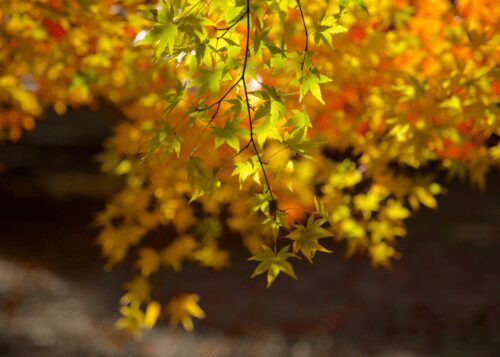
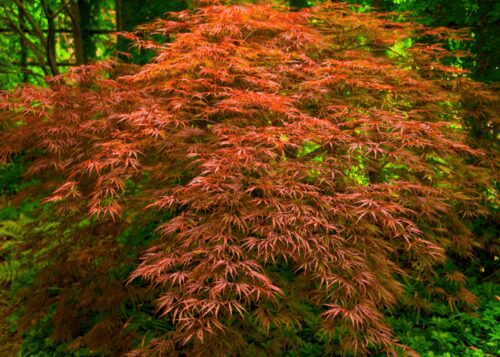
Japanese Maples are gorgeous landscape specimens, chosen for their vibrant, color-changing foliage. They are often chosen as understory plantings used under larger shade trees or in areas of the landscape that are shaded from hot afternoon sun. We walk you through care requirements and planting tips for Japanese Maples.
Quick Care Snapshot
Best Planting Time
Fall through early spring are optimal seasons for planting Japanese Maples; avoid planting in the stressful summer heat.
Watering
Ample water will be needed, not only to establish your Japanese Maple, but extra water will be needed through the hot and dry temperatures of summer.
Light Needs
AM Sun/PM Shade.
Cold Protection
Most Japanese Maples are cold hardy to zone 8, and some are hardy to zone 9.
Japanese Maples planted in pots may benefit from wrapping pots to protect roots if temperatures remain below freezing for an extended period of time.
Japanese Maples: Average Sizes
There are many different cultivars of Japanese Maples. Here are the average mature sizes of their range:
- Dwarf Varieties: 4-6′ T (great for container specimens)
- Medium Varieties: 10-20′ T
- Large Varieties: 20-30′ T
Oftentimes the width, or spread, of these trees will come close to the same size of their height
Planting and Care
Site and Soil
Site:
- It’s imperative to choose a site that will be adequately protected from afternoon sun from about 1PM and on.
- Dappled sun all day, or shaded underneath the canopy of limbs from a larger shade tree.
- Winter sun exposure is ok, so even underneath a deciduous tree is acceptable.
Soil:
- Soil must be well-draining.
- In Ground Plantings: Use a 50/50 mix of organic matter (Happy Frog Soil Conditioner, Gardenville Living Mulch, , etc.) and your native soil.
- Container Plantings: Use a good quality, well-draining potting mix and make sure containers have adequate drainage holes.
Planting
- Dig a hole at least twice the diameter of the nursery pot, and only as deep or a little shallower as the soil line in the orginial nursery container. Japaense Maples benefit from having their root flare (where the trunk widens and transitions to roots) sitting just slightly higher than the ground soil line at planting.
-
Place a few inches of your prepared 50/50 soil mix to the bottom of the hole and set your tree. Remeber: the root flare should be a few inches higher than the ground soil around your planting hole.
-
Fill in the hole with your loose soil and tamp it down lightly.
- Water immediately after planting to make sure soil settles in around roots.
Fungus/Pest Issues
Japanese Maples are rarely bothered by pests, and fungal issues can be avoided by providing correct soil drainage and good air circulation.
If you do need to spray for fungal issues, NEVER spray during hot temperatures. Only spray early in the morning to avoid burning foliage.
Watering
Ample water is crucial for the health and life of Japanese Maples. These trees have shallow roots, so when they don’t receive enough water, their thin leaves can dry out and burn up.
- Water well immediately after planting.
- In general, aim for watering every 2-3 days for the first month after planting, and then aim to deeply water once a week.
- Extra water (usually every 4-5 days) will be needed during the summertime, and possibly after windy days.
- Take the time to test for soil moisture about 3 inches below the surface to learn when you need to apply water.
- These trees like even moisture. Not soggy, but not bone dry. The correct soil “feel” would be like a wrung out sponge.
- Maintaining a 3-4 inch mulch berm around the base of the tree (never pile against trunk) will help conserve soil moisture.
*Seasonal changes mean changes in watering schedules. The cooler weather of fall and winter means less water needed. Again, learn how to test soil for moisture.
Container Planted Trees:
- Trees in pots will dry out faster than those palnted in the ground.
- Test often for soil moisture, and be sure to water thoroughly. Water should run out the bottom of the pot (you may have to water, wait 15 minutes and water again in summertime to thoroughly saturate soil in pots.)
- On the other hand, you should also check often to make sure the drainage hole isn’t clogged to where the soil would get waterlogged.
Fertilizer
Small amounts of fertilizer can be beneficial applied in early spring (Late Feb/early Mar), and fall (Oct). You can choose either:
- A synthetic fertilizer like Rainbow Gardens 19-5-9 (a high nitrogen, slow release formula, also good for spring lawn fertilization) applied at half strength.
- Or an organic slow release fertilizer, like FoxFarm Japanese Maple 4-3-4 at full strength.
- Avoid fast-acting fertilizers. If you inadvertently apply too much of these, they could cause leaf tip burn.
Common Problems & Solutions
Dry, tan colored tips on leaves
Cause: Not enough water
Fix: Water deeply and check soil moisture more often.
Rot
Cause: Overwatering, bad drainage.
Fix: Allow to dry out between waterings. Amend soil to improve drainage, and make sure containers have adequate drainage holes.
Local Expert Tips
🌿 Rainbow Gardens Tip #1:
When selecting a Japanese Maple for containers, it’s a good idea to choose one that is 2 zones hardier than where you live.
🌿 Rainbow Gardens Tip #2:
While all Japanese Maples prefer shad ein the afternoon, Red Japanese Maples tend to be more sensitive to heat and sun exposure than green ones.
Visit Us
Find Japanese Maples at Rainbow Gardens.
Bandera Location
8516 Bandera Road
San Antonio, TX 78250
(210) 680-2394
Thousand Oaks Location
2585 Thousand Oaks
San Antonio, TX 78232
(210) 494-6131


