



June Monthly Gardening Guide for San Antonio
The Heat Starts to Ramp Up. Are Your Plants Protected?
School is out, summer is in. NOW is the time to do what you can to get your gardens ready for the upcoming surge in temperatures and the almost guarantee of drier conditions. Our June gardening tips will keep you up to task on what you need to be doing to welcome summer in your gardens and landscapes.
While you are making plans for summer vacation, also make plans to have someone (preferably someone who loves you AND plants) take care of your plants. A couple days of neglect could equal demise during our San Antonio summers.
Watch weather patterns: rainy and humid periods can cause fungal issues to develop. Hot, dry periods can bring on the pests like spider mites. Be observant when it comes to first signs of problems. Early detection is always your best defense.
See our full guide below, and download our free PDF quick guide for easy reference.

June Garden Tasks By Plant Type
Annuals
Annuals
-
If and only if you can give extra attention to the process, you can still plant warm season annuals during the beginning of this month. You must keep the soil moist, daily, for a few weeks.
-
Deadhead/pinch if needed to keep annuals tidy and blooming better. (Pinch flowers stalks off coleus to create a lush, full plant. Coleus is prized for its foliage.)
- Keep feeding annuals every 4-6 weeks to keep them looking their best. Be sure to water thoroughly after fertilizing.
-
Start looking for new homes around your landscape for those sun-loving annuals in containers that really can’t take our full sun during the summers (ex: geraniums). Offer them a spot with a little shade in the afternoon. Sun exposure becomes a very different thing in San Antonio summers!
-
Container plants might have to be watered everyday as they dry out faster than plants in the ground. Both the Texas sun and wind can dry out your containers pretty fast.
Bulbs/Rhizomes/Corms
-
Sweet potato vines are tubers that grow beautiful foliage. Think about adding some to a container as the “spiller” in the arrangement.
-
Mulch beds to keep weeds at bay.
-
Fertilize 3:1:2 every 6-8 weeks if needed. (If your bulbs are growing gangbusters, fertilizer is optional.)
-
Elephant ears LOVE the heat, and tolerate poor drainage. Elephant ears are shade-loving plants that are perennial bulbs.
-
Cannas are gorgeous perennial bulbs that offer big colorful blooms and gorgeous foliage. Plant them in full sun.
- Remove seedpods from summer bulbs. Remove only foliage that is browned and flopped over.
Shrubs & Trees
SHRUBS
-
If planting or transplanting shrubs now, you’ll need to be mindful about watering them consistantly to as most likely, the temps will reach extreme levels by next month. It will be more difficult to get their roots established. Watering will be a priority.
-
You can trim off spent flower stalks on shorter, shrub-like crape myrtles to encourage more blooms. (Just the stalks, don’t chop the limbs!)
-
Finish up any pruning on spring-blooming shrubs this month.
TREES
-
Keep in mind that the fall season is the best time for planting trees. If planting now, watering will be a priority just like advised in the shrub section.
-
Palms are an exception and can be planted through summer.
- Crape Myrtles will be starting their bloom seasons (though different varieties bloom at different times…keep this in mind). So while planting in usmmer is not ideal, it IS when you will be able to see the exact color of blom that you desire.
-
Young trees can be fertilized at half the rate you gave them in January/February.
Veggies & Herbs
Herbs:
- Once evening temps reach the 70s, plant basil, lemon balm, and mint.
- Make plans for harvesting your cool-season herbs as they are at their peak season this month and will decline starting next month.
- Lightly fertilize herbs or apply an inch of compost and then an inch of leaf mulch, which will decompose slowly and feed the soil nutrients.
Veggies:
-
Plan to focus on maintaining and harvesting the rest of your cucumbers and squash; the next couple of months it’s harder to grow them.
-
Plant okra, sweet potatoes, Malabar spinach, and southern peas.
-
Mulch veggie beds to help regulate soil temperature and keep weeds at bay.
-
Veggies and herbs in containers will benefit from an application of water-soluble fertilizer every few weeks.
-
Pot up some of your seeds for fall veggie transplants. You don’t have to grow them inside like you do for early spring. Just put them in a place with morning sun and afternoon shade and keep them moist.
-
Non-heat tolerant tomatoes will most likely start dropping their flowers and stop producing when the heat gets too high.
-
Remove crops that have stopped fruiting. If you aren’t planting through the summer this will be a great time to solarize your garden.
Lawns
-
Mow weekly to maintain proper height of turf. (Especially after all the rain we have had has amped up the speed at which our turf is growing right now!)
-
Aerating and dethatching your lawn is beneficial this month.
-
You can continue to plant warm-season grasses through the month.
-
Water established turf only when needed, water in mornings only. 1” of irrigation is needed per week whether by rainfall or by you.
-
It is most likely too hot now to use weed killers. You may damage your lawn. Hand pull and mow to keep current weeds from spreading. PLEASE read instructions on ANY product designed to kill weeds. Make sure they are safe for your type of turf, and follow all instructions on how to apply it.
- Soil dwelling pests like grubs and chinch bugs are doing their best to wreak havoc on your lawns. This month is most likely the last month until fall to use beneficial nematodes for pest control (the temps get too hot for them to be effective). Otherwise, you can treat with a granular product that contains immidacloprid as an active ingredient.
Hardy Fruit, Nut & Citrus Trees
-
If you can keep the roots of container-grown fruit moist (not soggy), you can still plant them. Make sure they are planted in a well-draining area.
-
Remove suckers from fruit trees. Cut them close to where they attach to the tree.
-
Last call for using any nitrogen fertilizer on young pecan trees. Do NOT apply any nitrogen fertilizer to young (1 year old) pecan trees after the month of July. An early freeze in fall combined with the push of growth encouraged by nitrogen fertilizer can spell D-E-A-T-H to a young pecan tree.
Perennials
- Forget “pre-scheduled” watering days you may have made for yourself. Go by the weather. If rain is absent, water more often to prevent plants from drying up and shriveling up. If a drenching rain has occurred, hold off watering and let perennials dry out a bit to ward off root rot.
- Another round of fertilizer can be applied to perennial beds if your plants need it. (First application should have been made in March/April.) Try our Rainbow Gardens Rainbow Bloom.
- Shear back fall-blooming perennials by 1/3 for a great fall show. Doin gthis now, gives plants time to rejuvenate and fill out.
- Depending on the weather, it may be pretty hot now to be planting perennials. If you do, you’ll need to water consistently for several weeks to get them through summer. (Opt for tropicals, houseplants, succulents this time of year.)
Roses
- Roses this month need moist but not soggy soil.
- Pick up fallen leaves with blackspot and dispose of them, and keep up with your spray program (only spray in early morning or later evening hours so as not to burn your roses).
- Forget to fertilize last month? You can do it this month. 3:1:2
- Prune roses that are NOT repeat-bloomers.
- Don’t freak out if roses aren’t as big, pretty, etc… as they were in spring. It’s the heat and not much you can do about that.
Groundcovers & Ornamental Grasses
GROUNDCOVERS
- Shady area groundcovers can still be planted even in the summer heat this month. Keep area watered and (depending on what type of groundcover) mulched.
- Maintenance pruning can be done if needed. (Tidying up edges, etc.)
- Ten days, no rain? An inch of water will need to be applied thoroughly to established groundcovers.
ORNAMENTAL GRASSES
- No fertilizing needs to be done for ornamental grasses.
- Plan for fall by including ornamental grasses in your landscape now. They will need to watered to get them established, but after that, water only as needed (rarely for established plants, unless in containers, then you may need to water every day depending on rainfall).
Looking Ahead to Summer
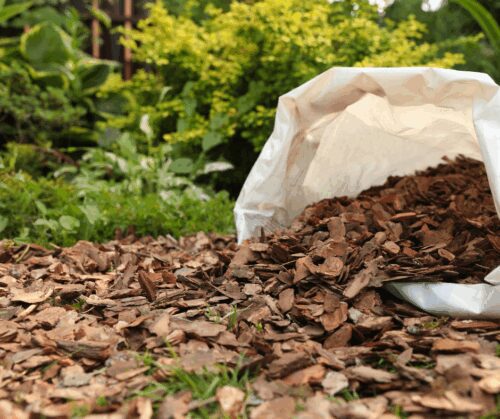
One of the easiest ways to get your plants ready for summer is by applying a 2-3″ layer of mulch around all of your plants. (Avoid piling up mulch right next to crowns and trunks of plants).
Mulch helps:
- regulate soil temperature
- conserve moisture
- suppress weeds that compete for water and nutrients
- creates a barrier between plants and soil dwelling pests
- prevents soil from splashing onto foliage of plants, reducing soil borne pathogens from reaching plant
- improves aesthetic of gardens
Local Expert Tips
🌿 Rainbow Gardens Tip #1:
Gardens should be checked on every day during the summer as pest activity ramps up. An overlooked pest can quikcly turn into an infestation. Diligent observation is key.
🌿 Rainbow Gardens Tip #2:
Beneficial insects should be used this month to get pests under control. once the heat rises, they won’t be effective again until temps get cooler again in fall.
Visit Us
We’ve got all your summer gardening supplies here at Rainbow Gardens.
Bandera Location
8516 Bandera Road
San Antonio, TX 78250
(210) 680-2394
Thousand Oaks Location
2585 Thousand Oaks
San Antonio, TX 78232
(210) 494-6131


