



Lavender Planting and Care Guide
Fragrant, Blooming Herb for San Antonio Gardens
Lavender is a perennial, fragrant herb that thrives in sunny, well-drained conditions. This quick growing guide covers planting, watering, and basic care so you can enjoy healthy lavender in your garden or containers.
See our full guide below, and download our free PDF for easy reference.
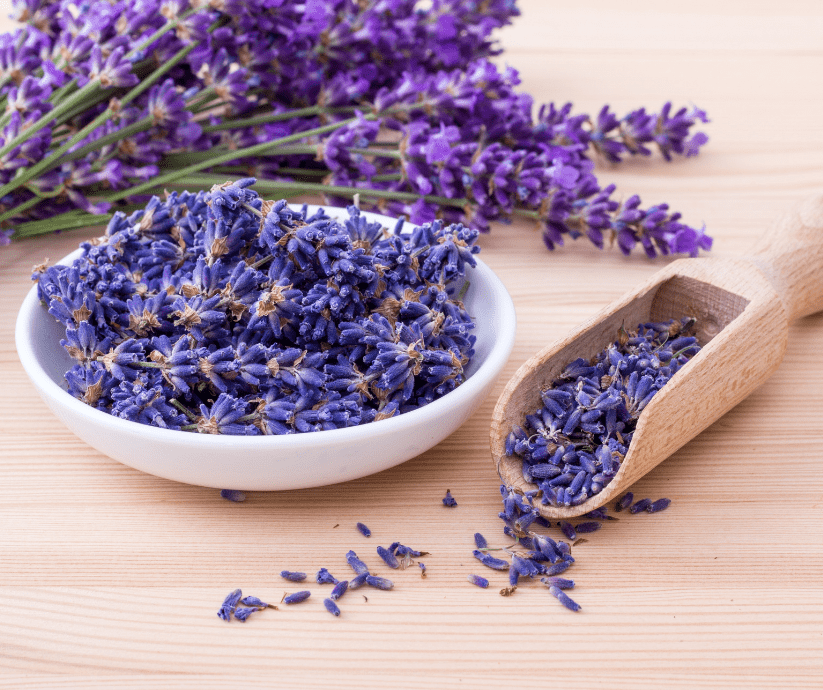
Quick Care Snapshot
Best Planting Time
Spring or fall are optimal seasons for planting lavender; avoid planting in the stressful summer heat.
Watering
Allow soil to dry out between waterings.
Light Needs
Choose a sunny spot where your lavender can bask in six to eight hours of full sunlight.
Cold Protection
Protect when temps hit 25-28°. Bring pots inside during freezes. Use frost cloth and mulch for inground plantings.
What Makes Lavender Special
-
Culinary: Used in teas, syrups, baked goods, and as a flavorful herb in sweet or savory dishes.
-
Aromatherapy: Essential oils and dried flowers promote calm, relaxation, and stress relief.
-
Medicinal: Traditionally used to soothe skin, support wellness, and encourage restful sleep.
-
Pollinator-attracting: Fragrant blooms feed bees, butterflies, and beneficial garden insects.
Planting and Care
Planting Site and Spacing
-
Six to eight hours of full sunlight.
-
Space plants at least 12 to 18 inches apart to promote airflow and prevent disease.
- Mound up the soil and plant lavender in the mound, to where it sits slightly above the soil line in the garden or container.
Soil
Lavender thrives in well-drained, sandy, or gravelly soil (even caliche).
- For ground planting, amend clay/heavy soil with sand or gravel to enhance drainage.
- For container gardening, select a potting mix that offers good drainage, or make your own by mixing potting soil with sand and perlite. Ensure your soil drains well, as lavender cannot tolerate “wet feet.”
Watering
-
Water moderately at planting and whenever the plants show signs of wilting.
-
Allow the soil to dry out between waterings; typically, a deep watering every two weeks is adequate.
-
Overwatering is the main cause of lavender death. It causes root rot; so always check for soil moisture with your fingers to see if you even need to water.
-
Avoid overhead watering and keep lavender away from sprinkler zones.
Fertilizer
No fertilizer is necessary. In fact, lavender prefers minimal fuss; the experts at The Lavender Farm recommend a strategy of “benign neglect.”
Common Problems & Solutions
No blooms
Cause: Not enough sunlight
Fix: Move to a sunnier area.
Rot
Cause: Overwatering, bad drainage
Fix: Allow to dry out between waterings. Amend soil to improve drainage, and make sure containers have adequate drainage holes.
Local Expert Tips
🌿 Rainbow Gardens Tip #1:
For the best fragrance and potency, harvest lavender when buds have formed but before they have fully opened. This is when you have the greatest essential oil concentration.
🌿 Rainbow Gardens Tip #2:
Use sharp scissors or pruning shears to cut the stems. Leave a few inches of green growth to promote new blooms.
Visit Us
Find Lavender at Rainbow Gardens.
Bandera Location
8516 Bandera Road
San Antonio, TX 78250
(210) 680-2394
Thousand Oaks Location
2585 Thousand Oaks
San Antonio, TX 78232
(210) 494-6131


