



May Monthly Gardening Guide for San Antonio
*Pest activity increases this month.
*As weather heats up, watering needs to be monitored more closely. Watering deeply and more infrequently is better than shallow, frequent watering. (New plantings need more water to help them get established.) Take rainfall into consideration.
See our full guide below, and download our free PDF quick guide for easy reference.
May Garden Tasks By Plant Type
Annuals
Annuals
- Rejuvenate petunias to extend their life. Cut back by 1/3, fertilize, and plan to repeat next month.
- Annuals are heavy feeders. Fertilize at planting with half strength water soluble fertilizer, then fertilize every 4-6 weeks.
- Cool-season annuals are probably getting ready to be pulled out of the garden to make room for warm-season annuals. After clearing out cool-season annuals, rework your bed by removing weeds, turning soil, and adding 3-4” of compost mixed in well.Take care to thoroughly water newly planted beds (morning is best).
- Deadhead annuals that leave spent blooms hanging (Ex. zinnia, cut back to the first set of true leaves).
Bulbs/Rhizomes/Corms
- Bulbs in containers can be fertilized with a water-soluble fertilizer, bulbs in ground can be fertilized with a premium slow-release fertilizer.
- Cut off fruits on amaryllis and daylilies, they take away from future blooms.
- Cut off the foliage of spring-blooming bulbs when it has turned yellow/brown. If you decide to dig them up, store them in ventilated bags (onion bag netting, nylons, etc.) in a cool dry area.
- Gingers can be planted in shady areas of the landscape now that it is warmer.
Shrubs & Trees
Shrubs
- Prune spring-blooming shrubs once their flowering is complete, if needed.
- Water new shrubs 1-2 times a week if no rain has been present.
- Be on the watch for leaf spot on photinias, Indian Hawthorns. Rake, remove affected leaves, apply fungicide, and acidify with Hi Yield Iron Plus.
- Shrubs should be mulched if you haven’t already, so they’ll be ready for the upcoming hot summer.
- Acid-loving shrubs like azaleas, camellias and gardenias, can begin to get yellowed leaves on new growth due to an iron deficiency. Offer them chelated iron, and acidify the soil with sulfur, copperas or another soil acidifier like Espoma Soil Acidifier. Acid-loving shrubs need our alkaline soil amended often.
Trees
- Tropical fruit trees are generally on their way or already in the nurseries by now. Shop as soon as you can for best selections. Make sure to take extra care in watering newly planted tropical trees to get them established.
- Newly planted trees should get a soaking (30-45 min steady trickle from a hose) if rain has not been present for a week.
- It’s really too late to be planting shade and ornamental trees, but -Palm trees are an exception to the late planting rule and like to be planted in the heat.
- Pay special attention to the watering of magnolias if you have them, they are not drought tolerant.
Veggies & Herbs
Herbs:
- Don’t delay planting your perennial and warm-season annual herbs so they have time to get established before the summer heat rages.
- Don’t forget that herbs can look amazing in your other garden beds. African basil has particularly stunning blooms and attracts beneficial pollinators. And thyme makes a great creeping groundcover.
- Cut back herbs that are getting gangly and out of control. (Use fresh immediately or dry or freeze them for later use.)
- Pinch tops of basil and use often so it doesn’t go to flower.
Veggies:
- Keep veggie gardens watered so they don’t become drought-stressed. They’ll need 1-2” of water if rain hasn’t been present.
- Watch for early blight on tomatoes. Fingerprint-sized yellow blotches will first appear on lower leaves and quickly spread up the plant. Apply copper fungicide in the morning. (Read label for follow up application instructions.) Keep foliage dry when watering to help reduce the chance of this fungal disease.
- When tops of onions fall over, they are ready to be harvested.
- Harvest veggies like zucchini and squash when they are small for best quality. Harvesting tips blog
- Make plans to clear out cool-season veggies as they are nearing their end.
- Okra, pumpkins and winter squash can be planted if the weather is consistently warm.
Lawns
- If you need to apply broadleaf weedkiller, make sure you do so in the cool morning hours (this month may be the last month you can apply) and read label carefully to choose the correct product for your turf.
- Finish up any repairs to irrigation systems; you don’t want to deal with it in the blazing heat of summer.
- If Take All Patch has affected your lawn (turf is slow to green up in spring, areas of turf are patchy, can look like grub damage) apply recommended fungicide at earliest sign. Follow up applications are almost always warranted.
- You can still lay sod and fill in bare spots with plugs for warm-season grasses. Bermuda seed can be planted.
- Lawn mowing season is here, don’t let turf get too long before mowing. Make sure your mower blades are sharp or you’ll tear blades of grass, resulting in damaged turf, which invites pests and disease.
- Second application of pre-emergent can be applied mid month to further prevent sand burs.
- If grubs and chinch bugs have plagued your lawn, purchase your control products for these soil-dwelling pests now.
Hardy Fruit, Nut & Citrus Trees
- Container-grown fruit trees can still be planted, but you’ll need to be extra diligent about watering during the hot months to come.
- Watch for webworms in pecans, persimmons, mulberries, and other fruit trees. Early detection is best. Open web bags hanging in trees with a long pole so that wasps can zoom in and attack the webworms. Bt is an option to spray but difficult to get into the webs, and reach due to the height of trees.
- Fertilize young (less than a year old) fruit trees with turf-type fertilizer (Rainbow Gardens 19-5-9)
- Mulch fruit trees to help them survive summer (don’t pile mulch against trunk).
- Heads up for pruning blackberries next month: Pinch tips of new blackberry canes to encourage branching. Do this when canes get to be about chest high. Pruning is perhaps the most important step when growing blackberries. How and when you prune can determine productivity the following spring.
- Blackberries: Summer Pruning is Essential
Perennials
- Include summer and fall-blooming perennials to continue to have perennial interest each season. The heat tends to shut down many of our spring blooming perennials pretty quickly.
- Choose larger containers of perennials when planting this late in the season and pay extra attention to the water needs of the plant as it is harder to get them established in the heat.
- You may need to stake vigorously growing, taller perennials to protect from wind.
- Shear back salvias to encourage a new flush of growth and blooming. (You can do this multiple times spring through fall.)
- Harvest columbine seeds for planting again in fall.
Roses
- Prune spring-blooming roses ONLY after their bloom period is over. Otherwise, deadheading to remove suckers is generally the only pruning needed at this time.
- Fertilize with a 3:1:2 ratio slow-release fertilizer.
- Continue with your regular spray program to keep pests and blackspot under control.
- Heat coming in most likely means more water is needed for your roses. An inch to 2 inches is needed. Aim your watering under the foliage to avoid fungal issues.
Groundcovers & Ornamental Grasses
Groundcovers
- It’s a bit late to fertilize groundcovers (should have been completed in March or at least last month), but if you decide to fertilize, do so at beginning of month.
- You can dig and divide established groundcovers
- Watch for slugs on low-growing groundcovers, especially after periods of rain.
- Groundcovers planted this month will need extra care, water, to get them established through the heat.
Ornamental Grasses
- Not too much care for ornamental grasses, except maybe a good soaking if no rain has been present for a week or so.
- Finish planting selections to get grasses established for a great fall bloom display.
Pollinators Plus Pests? Beneficial Insect to the Rescue!
Pest activity generally increases when the weather heats up. But when you have pollinators in the garden, it can be a real battle to protect them AND your plants.
- Avoid wipe-out sprays when at all possible.
- Read labels carefully. Even organic products may have adverse effects on pollinators AND any beneficial insects you have.
- If you do have to spray, limit application times to evening or very early morning when there is less pollinator activity.
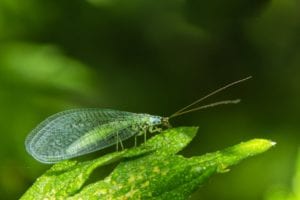
- If you haven’t tried beneficial insects as natural pest control, they can cut your pest battle in half. Look for ladybugs, praying mantids, green lacewings, and beneficial nematodes.
Local Expert Tips
🌿 Rainbow Gardens Tip #1:
Fertilize flowering and fruiting plants this month to keep them growing healthy and strong so they can better handle the summer heat.
🌿 Rainbow Gardens Tip #2:
Sun exposure will be changing soon, and once the heat intensifies, some plants could now need to be moved to a location with afternoon shade. Ex: geraniums.
Visit Us
We’re here for all your gardening needs at Rainbow Gardens.
Bandera Location
8516 Bandera Road
San Antonio, TX 78250
(210) 680-2394
Thousand Oaks Location
2585 Thousand Oaks
San Antonio, TX 78232
(210) 494-6131


