



October Monthly Gardening Guide for Fall in San Antonio
The Pollinator Migration Comes Through San Antonio This Month!
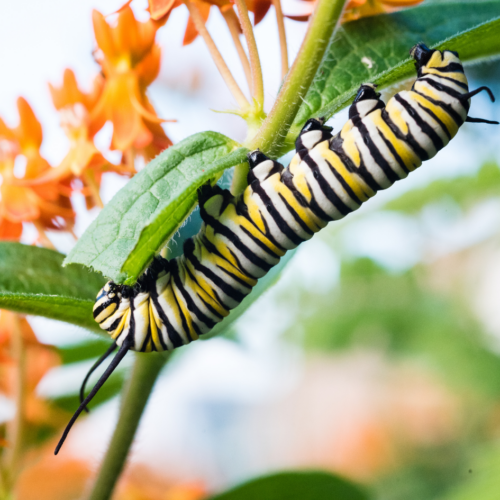
Did you stock up on host and nectar plants the last couple of months? Peak pollinator migration comes through our city mid month and the monarchs will be searching out landscapes and gardens that are growing their host plant: milkweed! This is a great time to plant milkweed and other host and nectar plants. It’s not just monarch butterflies who are looking for a good drink and a place to lay their eggs. October also means fall and fall is the absolute best time to plant here in San Antonio. If you’ve been holding off on planting trees and shrubs, this month and the next are prime time.
See our full guide below, and download our free PDF quick guide here for easy reference.
October Garden Tasks By Plant Type
Annuals
Annuals
-
October can be dry, so new plantings, and newly direct-seeded beds need enough water so that the seeds do not dry out.
-
Fertilize transplants you are growing a few weeks after seeding them, and new transplants in garden beds as you plant them with ½ strength water soluble fertilizer. Organic gardeners can use FoxFarm Grow Big, or Medina Hasta Gro, Synthetic growers can use Miracle Gro.
-
Wildflowers can can be planted now in San Antonio. Don’t wait until spring, you won’t get flowers in time.
-
Snapdragons, calendula, alyssum and annual phlox make great additions to your annual beds this month. (Wait until Nov. to plant pansies.) Keep well fed and watered. One of the biggest mistakes is forgetting to feed annuals monthly. They perform much better when fertilized.
- Be extra careful using insecticides if you have planted flowers for the pollinator migration. Try a blast of water to dislodge pests this month and keep harmful sprays away from anything you have to attract pollinators.
- Try marigolds, or Mari-mums, in fall, they do much better when planted at this time of year. They make great companion plants for interplanting in veggie gardens. Buying them early this month also ensures they will be established and blooming for Day of the Dead celebrations in early November.
-
Some of the hardiest cool season annuals are ornamental cabbages and kales. They do best when they are well fed and watered throughout the season. (Keep an eye out for cabbage loopers; check underneath and inbetween leaves often; use Bt for control).
-
Now is the time to start gathering your annuals for holiday decorating. This is when they are available in the garden centers. Pot up arrangements now and offer them fertilizer over the next couple of months and you will have gorgeous displays for the Thanksgiving and Christmas holidays. (By tightly budded mums for blooms in a month or two, buy mums in full bloom for current events.)
Veggies & Herbs
Herbs:
- Fall is a great time to plant perennial herbs. You don’t have to have a specific bed designated for herbs. Many can be mixed into other garden beds in the landscape for fall interest. Planting perennial herbs in fall makes strong plants come springtime.
- Pineapple sage blooms gorgeous red, tubular flowers in fall and migrating hummingbirds can’t resist them.
- Plant cilantro now. This is a cool weather loving herb that goes to seed in hot weather so now is the time to grow and enjoy it.
- Many herbs thrive in containers! There is always room for an extra herb plant in your landscape.
Veggies:
Cool season veggies are ready to be placed in the veggie gardens. Fall veggies include: Broccoli, Cauliflower, Cabbage, Collards, Kale, Leaf Lettuce (seeding lettuce blog), Mustard, Onions, Swiss Chard
Newly planted seeds and transplants will need more frequent irrigation than established vegetables currently in your garden. (Planting and Caring for Vegetables in San Antonio)
Watch out for chewing insects caterpillars and slugs and snails eating leafy greens. Destruction can happen overnight. Hand pick caterpillars or treat with Bt or Spinosad. Use Sluggo baits or traps for snails and slugs. Check your garden often!
Garlic/Shallots can be planted now. Plant them with the pointy side up and the big end of the clove about ¼ inch below the soil surface. Space 4”-6” apart. them noses up!
Think about collecting and saving seeds from some of your heirloom warm-weather veggies.
Leave room in your garden for planting spinach. The weather needs to have really cooled down for these crops. October is generally still a bit too long (wait until the end of the month).
If you are not planting veggies this fall season (but why wouldn’t you?), you can seed over your beds with Elbon rye, oats,or crimson clover to produce a cover crop (cover crops blog) that will add organic matter to your beds for nutrients to be used in the spring. Elbon rye can also prevent root knot nematodes in vegetable gardens. Plant in fall for prevention in spring. How to plant and turn over cover crops guide.
Side dress veggies that have been actively growing for about 3-4 weeks with Texas Tee fertilizer to keep them growing like gangbusters. (Exception: Root crops and peas don’t need a lot of nitrogen, peas produce their own and root crops will end up growing tops at the expense of roots.)
Start collecting fallen leaves from shade trees to use as mulch in the vegetable garden or as a nutrient boost in compost piles.
Make plans for winter protection (guide) of your crops. Frosts can sneak up on us next month in a hurry. Buy your frost protection this month, and not next when everyone is scrambling for it.
If a frost is impending and you have tomatoes on the vine that aren’t ripe yet, you can still take them all off, bring them in and place them in a cardboard box with space between them so they are not touching each other and they will ripen so you can enjoy them.
Groundcovers & Ornamental Grasses
Groundcovers
- Prep areas for new plantings of groundcovers this fall season.
- Remove weeds or unwanted vegetation by tilling, hand pulling, or using weed control aids (if you choose this option, you must read the label to know when you can safely replant in the treated area).
- Till soil to loosen it.
- Work in 4-6″ of compost/soil conditioner throughout the area.
- When planting smaller groundcovers, plant in a checkboard pattern so area fills in quicker.
- No pruning is needed this month for most groundcovers, although Asiatic Jasmine can be edged if needed.
- If mulch has thinned out, add more. A 2” layer is a good measurement.
- Watering of groundcovers slows down in the cool temps; water as needed only.
Ornamental Grasses
- Ornamental grasses shine this month with their gorgeous plumes.
- Water ornamental grasses as needed if October is warm and dry.
- Ornamental grasses make a great “thriller” addition to your potted holiday arrangements. They add height and texture interest with their long spikes and fluffy plumes. Pot some up in the middle of a container and fill in around the sides with annual color.
- No pruning is needed for ornamental grasses at this time of year.
Roses
- Make sure when you are watering, that it is in the morning and you are targeting the roots. Avoid getting foliage wet to avoid fungal issues like blackspot. Water deeply.
- IF the weather has been cool, planting of container-grown roses (planting and caring for roses guide) can begin late this month.
- If soil drainage is a concern, build a raised planting bed.
- Last doses of fertilizer can be applied early this month.
- Fall blooming should be in progress, deadhead roses as needed to encourage more blooms.
- Pruning of roses should be limited to diseased and broken limbs, or twiggy growth. Save the major pruning for mid February.
- Keep roses mulched 2”- 3”.
Houseplants/Tropicals
- Stop feeding houseplants through fall and winter.
- Now is a good time to spray cold sensitive plants (Crotons, etc…) you will be bringing inside with Neem Oil (organic), or a Horticultural Oil, to suffocate any pests (scale, aphids, whiteflies, mealybugs, etc..) that have congregated on the leaves. * Only spray in the early morning cool hours so you don’t risk the sun or heat burning the leaves of your plants.
- Trim off browned undergrowth of ferns you are bringing inside for the winter. This undergrowth will make an awful mess when it sheds inside.
- Now is not the time to plant tropical-perennials like: Pride of Barbados, Esperanza, Bougainvillea, etc… Wait until spring.
- Bougainvillea and Hibiscus should be making their way into a sunny location inside for winter protection. If your protected area is not particularly sunny, you should cut them back. Water sparingly throughout the winter, they won’t need much.
Lawns
- Time to go over our fall checklist for lawn and turf care.
- Time to winterize your lawn. Rainbow Gardens 18-6-12 is specially formulated for our region.
- As leaves fall onto your lawn, rake or mulch them to keep them from shading your turf which still needs the sunlight. Save leaves in big trash bags for compost.
- Overseeding with annual ryegrass can begin this month. This is not a necessary task and can sometimes result in weakening of the turf come springtime, but some people choose to do it for their fall and winter landscape. (You’ll have to water and mow through winter. Extra chores!) If you overseed, hold off on mowing the lawn until ryegrass has sprouted, or else you will suck up the seeds into the mower.
- Water lawns as needed if rain is absent for up to 2 weeks.
- Watch for Brown Patch in St. Augustine lawns. See our diagnosis and treatment guide. Stop watering at night which can contribute and exacerbate this problem.
Hardy Fruit, Nut & Citrus Trees
- It’s a great time to plant container grown fruit trees. When planting container grown specimens, look for circling roots around and give them a snip if you find any before planting. The top of the rootball should then be planted at the soil line or just above it.
- Avoid pruning fruit trees now as it can stimulate new growth that spring frosts can damage; wait until late winter.
- Citrus is abundant in the nursery right now. While planting in spring is recommended, fall is when you can find the best selections. David Rodriguez recommends that citrus stay in containers for 3 years to develop bark, so buy now and protect your citrus in containers through the winters. Citrus planting and protection guide.
- Continue to plant delicious strawberries now so you will have a good harvest in spring. Strawberry Planting Guide
- As fruit trees defoliate this month and next, be sure to pick up fallen fruit and remove dried fruit (mummies) left on the tree. This helps to prevent disease. Additionally, remove weeds beneath the canopy of the tree and then apply a layer of mulch (do not pile mulch against the tree’s trunk).
- Many types of citrus, persimmons, and pecans are getting ready for their harvest season. Do not leave them on the trees past their prime or they lose quality. Pecans should be picked up pretty soon after they fall for the same reason.
Bulbs/Rhizomes/Corms
Buy spring bulbs like Tulips and Daffodils now, but wait to plant them. They will need to be stored and chilled for at least 8 weeks. (When it is time to plant in December, you most likely will not be able to find them in the nursery, so buy when you see them available.
- You can dig up caladium bulbs this month to dry and store them for planting again in spring.
-
- Brush off dirt from the bulbs and then store bulbs in paper bags or cardboard boxes in the garage
- When caladiums look tired and some of the leaves are falling over, dig the whole thing up (foliage and all) and lay them out to dry.
- When foliage is papery-dry, gently pull it off the bulb.
- Some gardeners choose to leave caladiums in well-draining and well mulched beds and find they come back reliably in our zone.
-
- No other bulbs should be fertilized this month.
- Calla Lily and Spider Lily as well as Louisiana Iris can be lightly fertilized with a 3:1:2 slow release fertilizer.
Perennials
- Take advantage of SAWS WaterSaver Landscape Coupons to save water and money. They have a great selection of Texas tough (but beautiful) perennials in their approved list.
- Pollinators are migrating this way this month! Boost your current perennials with some fertilizer to get their attention (water fertilizer in well). If you didn’t plant pollinator-attracting perennials last month, grab some that are currently in bloom so the pollinators can have nectar ready. Choose milkweed for the migrating monarch butterflies.
- Mums are available at the nurseries. Choose those with lots of buds that haven’t quite opened yet to extend the time you have them blooming in your containers and gardens. (If you need instant color and decoration, go for the full blooms.)
- Many perennials can be dug and transplanted, but hold off on any that are currently in bloom or set to bloom in fall.
- When planting new perennials make sure the top of the rootball is even with or slightly above the soil of your garden bed so that they do not rot.
- Water in newly planted perennials with a half strength water-soluble fertilizer. (You do not need to use slow release fertilizer on these fall planted perennials at this time.) Organic gardeners can use FoxFarm Grow Big, or Medina Hasta Gro, Synthetic growers can use Miracle Gro. October can still be dry, so pay close attention to the needs of newly planted, recently divided or recently transplanted perennials.
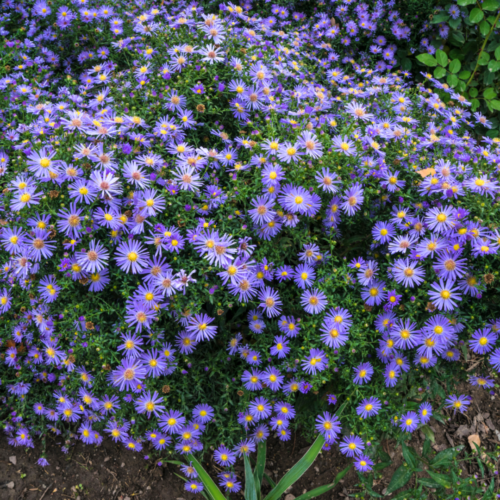
- Late season perennials that bloom beautifully through October and November are: Cigar plant, ruellia, salvias, butterfly weed, goldenrod, Texas fall aster.
- Plant seeds of echinacea (coneflower), bluebonnets, coreopsis, toadflax.
- Keep perennial beds mulched to help suppress the cool weather weeds that will be germinating soon. Pre-emergent can be used in garden beds, but just make sure to READ the label of your product carefully.
- This is a good time to take cuttings of your favorite tropical perennials. Root them in loose potting soil and make plans to protect them over winter.
Shrubs & Trees
Shrubs
- Plan for planting trees and shrubs this fall and call 811 to make sure there are no wires or cables buried under the soil where you plan to dig and plant! (Old blog/Public Service Announcement about calling 811: Digging in for Trees and Shrubs? Make sure you do this first)
- The start of fall shrub planting has begun! Shrubs and trees have the same planting requirements . These next few months are the best time of year to get shrubs in the ground so they can have the longest period of time to establish their roots over winter before the hot summer returns.
- Established shrubs (shrubs planted over a year or two ago) shouldn’t need water or fertilizer for the rest of the year. Newly planted shrubs (within the past year) should be watered only as needed through this month.
- Don’t prune shrubs this month.
- Need some beautiful, blooming shrubs in your landscape? Check out our list of great flowering shrub choices for San Antonio, listed by blooming season.
- Watch for lacebugs, especially on Azaela, they will be active this month through November. They feed on the underside of leaves and present with white dots on upperside of leaves and dark brown spots on the underside of leaves. Treat with a systemic insecticide that contains Imidacloprid as the actrive ingredient, or Sevin spray, as soon as you can. (Make sure to spray under the leaves.)
Trees (Ornamental/Shade)
- Plan for planting trees and shrubs this fall and call 811 to make sure there are no wires or cables buried under the soil where you plan to dig and plant! (Old blog/Public Service Announcement about calling 811: Digging in for Trees and Shrubs? Make sure you do this first)
- The start of fall tree planting has begun! These next few months are the best time of year to get trees in the ground so they can have the longest period of time to establish their roots over winter before the hot summer returns.
- Hold off on transplanting and moving trees around in the landscape until around mid-December. You can root-prune them this month to get them prepared for their future move.
- Established trees (trees planted over a year or two ago) shouldn’t need water for the rest of the year. Newly planted trees (within the past year) should be watered only as needed through this month.
- These next few months are the best time ever to get shade trees (shade tree blog scheduled for October 16th) and ornamental trees in the ground so they can have the longest period of time to establish their roots over winter before the hot summer returns.
- Take caution when pruning trees this month. You don’t want to stimulate late growth that could be damaged over winter, and you don’t want to prune off any buds that have probably formed by now for spring-blooming trees.
- When digging holes for trees, dig at least twice as wide as the rootball, but ONLY as deep as the height of the rootball. Planting trees too deep is the number one killer of newly planted trees! (When it comes to planting trees, don’t dig too deep!)
Why Fall is the Best Planting Season
Fall is the absolute best planting season here in San Antonio. It is generally not our winter season that is of our utmost concern when getting trees, shrubs and woody perennials established, it is our summers! Planting in fall offers these plants all winter long to grow deep and strong roots so that they will be able to not only survive, but thrive through their first hot San Antonio summer.
Local Expert Tips
🌿 Rainbow Gardens Tip #1:
Milkweed, milkweed, milkweed; monarch butterflies need an abundance of milkweed (their only host plant).
🌿 Rainbow Gardens Tip #2:
Try interplanting some smaller, quick growing crops like lettuce amongst your larger fall crops.
Visit Us
Come see us at Rainbow Gardens this fall. The nursery is beautiful this time of year and it’s the best planting season!
Bandera Location
8516 Bandera Road
San Antonio, TX 78250
(210) 680-2394
Thousand Oaks Location
2585 Thousand Oaks
San Antonio, TX 78232
(210) 494-6131


