



September Monthly Gardening Guide for San Antonio
Finish up planting 2nd rounds of warm weather veggies this month!
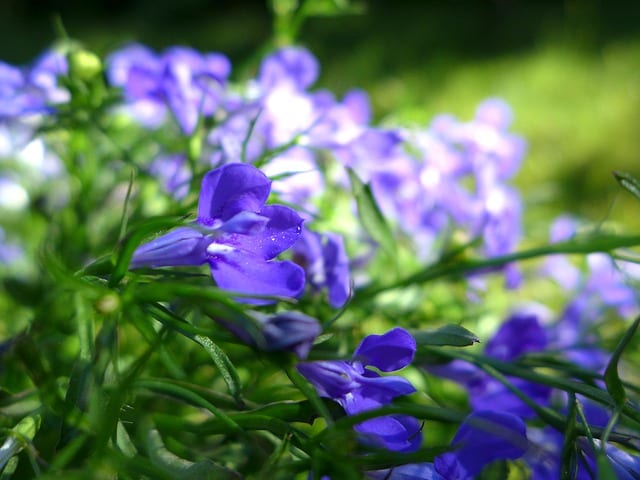
Gear up this month for next month’s pollinator migration by planting plenty of milkweed and other host and nectar plants. September generally means that mild weather is getting closer. Transitional plants like alysuum, lobelia, snapdragons, etc… are welcome in gardens that have gotten tired after battling the heat of summer. Don’t delay any plans for fall gardens; fall will be here before you know it!
See our full guide below, and download our free PDF quick guide here for easy reference.
September Garden Tasks By Plant Type
Annuals
Annuals
- If you haven’t already, don’t delay planning and prepping annual beds for fall. If you had annual beds in spring, this might mean only having to add a couple of inches of compost to the soil and working it in.
- Make sure to acclimate any transplants you have been growing by seed by moving them from their protected areas to sun exposure only for a couple of hours a day, slowly increasing their time out in the sun, for about a week or two. This gradually gets them used to full sun exposure without burning them.
- Start cool weather annual flower seeds for planting in the garden in Oct/Nov. Grow in a protected area (AM sun/PM shade). But keep in mind, they may need cooler temps to germinate.
- Transitional annual transplants like alyssum and lobelia are welcome color for gardens and containers that have grown tired from battling the summer sun. Keep them well-watered as September can still be pretty hot.
- If you are not planting anything in your fall beds, at least cover soil with a couple layers of mulch.
- Hold off on buying any pansies and violas even if you see them, it’s still too hot and they will melt in a heartbeat.
- Containers may still need watering twice a day in extreme temperatures or drying winds. If annuals need more than 2 waterings, the soil may be depleted by months of root growth. Consider replanting in a larger container with fresh soil.
Shrubs & Trees
Shrubs
- Hold off for another couple of months to plant shrubs, it’ll be the absolute best time of year to do so. You can, however, get your areas prepped. Remove weeds, and add soil amendments if needed.
- Apply 3” of mulch to shrubs if you haven’t already. You can find many free options such as the leaves you’ve saved from last fall, grass clippings, etc…Or use your Bonus Bucks to stock up on our bagged mulch.
- It’s generally time for your final fertilizer applications if needed, from now through the 1st week of October. Always thoroughly water after feeding.
- Insects will continue to attack though this month, so keep an eye out for lacebugs (azaelas), aphids, scale (hollies, camellias, etc..). It’s a good time to try out beneficial insects for control if the temps are somewhat cooler.
- Pruning should be minimal this time of year (thinning only). Spring-flowering shurbs already have their flower buds set. If you prune now, you won’t be getting any flowers in spring.
Trees
- Hold off for another couple of months to plant trees (Oct/Nov), it’ll be the absolute best time of year to do so.
- If you’ve planted recently, keep up with the ‘slow-trickle’ method of watering new trees if rain doesn’t fall for 5-7 days. The most important thing you can do for newly planted trees this month is to water.
- Final applications of fertilizer for trees should be offered this month and next if needed.
- Watch for fall webworms, they are starting their most damaging time. Look for webbing around groups of leaves in the canopies of your trees. The easiest way to control is to use an extension pole and rip open the webs every few days to allow wasps in to eat the caterpillars. (Bt is also an effective control, if you can reach the webs, AND when the webworms are young.
- Take caution when pruning trees, you should only be removing damaged or broken limbs, taking them back to their point of origin (back to the main trunk, or to a branch fork). Avoid “heading-back” cuts. This is the shortening of shoots or branches which could encourage new growth that we don’t want right now.
Veggies & Herbs
Herbs:
- Retire your older basil and hand it over to the pollinators who enjoy all the blooms. It is a great fall nectar source for bees and small butterflies. Many of the basil plants that we planted in spring are starting to get woody, tasteless(bitter) and tired. Planting another round of basil is wise. Fresh basil will provide tasty flavor for our recipes. For basil you want to keep using culinarily, pinch flower spikes off of the plants to continue using leaves.
- Remove dead parts of herbs that have made it through the summer, but are looking tired to help revive them. (Lavender, sage, thyme, etc…) Cut back halfway. You can freeze or dry what you cut off.
Veggies:
- Now is the time to plant tomatoes and warm season veggies like peppers, eggplants, squash, cucumber. Place shade cover over new seedlings and transplants in veggie beds for a couple of weeks to protect them from getting scorched in the hot weather.
- New transplants may need to be watered daily, while established veggies should be fine with watering twice a week.
- Bump tomato transplants up to the next sized container so they grow into large transplants that are producing or close to producing flowers by the time they need to go into the garden in a few weeks (Sept 1 – 15th) (They need protection from the hot afternoon sun while getting established.)
- Continue to start seeds of cole crops in containers in protected areas for planting in October.
- We plant early in fall in order to get a harvest before a freeze because cooler temperatures make crops mature at a slower pace.
- When planting in established veggie beds that have been mulched, pull back mulch enough to set new transplants in the soil, and then replace mulch.
- Water in new transplants with a water-soluble fertilizer.
- Choose bush snap beans as they produce faster.
- Root crops like carrots, beets, turnips, etc… can be direct seeded into the gardens.
- Potatoes can be planted.
- Cut back tall okra to produce side shoots to harvest in early fall.
Lawns
- Gray leaf spot disease (diamond shaped lesions on blades) may still be present. Keep avoiding high nitrogen fertilizer through September as this exacerbates the problem.
- It’s best to hold off until the first decent rain in September to apply pre-emergent for weed control.
- Lawns can be fertilized for fall with organic lawn fertilizer like Texas Tee and Medina Growin’ Green.
- Finish up sodding and dethatching and aerating lawns this month as cooler temps in Oct/Nov will start slowing down growth of warm weather turf. if you do sod, remember that September can still be pretty hot and a roots will need pelnty of water so they don’t dry out while trying to get established.
- You can patch up any areas damaged by chinch bugs with sections of sod. (Remove dead grass, turn soil, rake smooth, lay sod and keep watered.)
- Post-emergent weed sprays are still likely not recommended now for turf applications. September can still be hot and these products may burn or weaken your grass. Best to mow and bag to keep seeds from spreading or pull weeds by hand.
- Keep lawns regularly mowed at the recommended height for your specific turf.
Hardy Fruit, Nut & Citrus Trees
- Continue watering pecan trees in order to kernels fill in shells adequately for a nice plump nut. Water should be applied at the dripline of the tree (not the trunk) and be a soaking watering. Late summer/early fall consistent watering is crucial for proper pecan development. Pecans need at least 2” of water each week from late July through October.
- Stop fertilizing fruit and nut trees this month.
- Monitor soil moisture levels, extreme temperatures may call for increased watering.
- Add a 2-4″ layer of mulch around the base of fruit and nut trees (never pile up against the trunk).
Bulbs/Rhizomes/Corms
- Purchase spring bulbs when they come into the nursery this month and we have the best selection, but hold of on planting them until Nov-Dec. Make sure to check if your bulbs need to be refrigerated for a period of 8-12 weeks. Some bulbs need this pre-chill time in fall in order to thrive in spring.
- For reblooming (perennial) summer bulbs that have bloomed and are finished, wait until the foliage has yellowed and browned before cutting them back. This directs all the energy of the plant into the bulb where it will be stored for spring.
- You may want to mark these areas unless they are in a designated spot for bulbs. It’s easy to forget where they were planted once their foliage is gone.
- Reblooming irises are most likely available in the nursery in transplant form. We highly reccomend these.
- You can start THINKING about dividing your iris or calla lilies (should divide every 3 years), but ONLY if the temperatures are mild. If not, wait to divide in Oct/Nov.
Perennials
- We always have a great selection of fall blooming perennials (Texas fall aster, Mexican Bush Sage, Mexican Mint Marigold, and sennas, perennial salvias and milkweeds, Fairydusters, etc…). Make sure to scoop some up because fall is a wonderful season for gorgeous blooms.
- Plant host and nectar plants for the pollinators, they’ll be arriving next month!
- Watch any new transplants carefully. September sun can still be harsh. Shade cloth may be warranted while young transplants are getting established, and watering will be crucial for good health.
- This is a great time to plant coneflowers. They do better planted in fall than they do in spring.
- Wait to divide perennials (except irises and daylilies) until Oct/Nov. when it cools off.
- If you have perennials in pots, check their rootballs. If they have become rootbound, repot now in a larger container so they have time to get roots established before winter.
- Now is not the time to go heavy on fertilizers, this could push out new growth that could be susceptible to cold damage when winter arrives.
Roses
- Cut back repeat-blooming roses by 1/3 no later than mid-September. Fertilize and deeply water after any pruning.
- Hold off planting new roses until late October if possible.
- Keep roses well-watered and keep an eye out for pests.
- This month to early Oct is the final fertilization needed for the year.
Groundcovers & Ornamental Grasses
- Cut back groundcovers that have been run ragged by the summer heat. This helps them rebound for our fall pollinators, and allows them to look beautiful in the fall. Add a slow release fertilizer
- Make plans to add some ornamental grasses in your landscape if you haven’t already. They provide a spectacular show in fall. Grasses like Mexican Feather Grass, Purple Fountain Grass, Pink muhly grass and Carex Grass make a huge statement in sunny areas. For shadier areas use Liriope or Aztec grass.
Planning is Key!
This month and next, warm season and cool season veggies start to overlap as options in the nursery. Priority should be your warm season veggies because they need to get planted right awy to be able to harvest before first frost. BUT you should be planning on saving some space or making plans to replace warm weather plants with your cole crops once the warm weather veggies are done producing.
Local Expert Tips
🌿 Rainbow Gardens Tip #1:
Factor in rainfall when deciding how much water your plants need in September.
🌿 Rainbow Gardens Tip #2:
Don’t wait until October to try to get plants for the pollinator migration. Get them now, so they’ll be in bloom at the right time.
Visit Us
Come see us at Rainbow Gardens and we will help you get started with your fall garden prep!
Bandera Location
8516 Bandera Road
San Antonio, TX 78250
(210) 680-2394
Thousand Oaks Location
2585 Thousand Oaks
San Antonio, TX 78232
(210) 494-6131


