



Spring Garden Tips & Guides
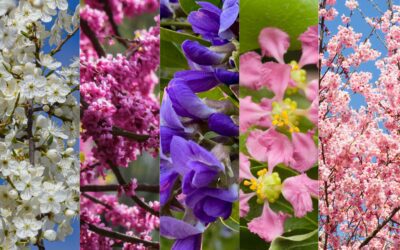
5 Gorgeous Spring-Flowering Trees for San Antonio Gardens
Gorgeous Trees That Say Goodbye Winter and Welcome Spring When it comes to spring-flowering trees in San Antonio, nothing announces the changing seasons quite like fresh blooms popping against a winter landscape. From the sweet fragrance of Texas Mountain Laurels to...
Winter is Time to Plan for a Better Spring Garden Season
When colder weather settles in for a long rest, many gardeners do the same. But winter isn’t just a time for rest—it’s the perfect time for reflection, and planning, so you'll be prepared next year to have an even more successful spring garden season. Taking time now...
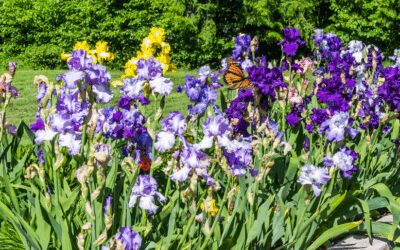
Growing Reblooming Bearded Iris in San Antonio: Care Guide
Bearded iris are some of the most iconic spring bloomers in Texas gardens. Their ruffled petals, bold colors, and dependable performance make them a favorite for creating showstopping beds with minimal maintenance. For gardeners interested in extended color,...
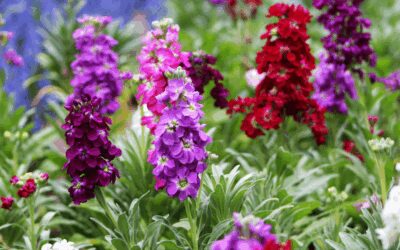
Stock Flowers in San Antonio: A Fragrant Winter–Spring Favorite
Stock flowers (Matthiola incana) are a rewarding cool-season annuals for San Antonio gardeners. Known for their delightful cinnamon-and-clove fragrance, upright stems, and full, ruffled blooms, stock offers a nostalgic charm that instantly elevates winter and...

Why You Need Weed Pre Emergent Fall and Spring in San Antonio
Keeping a lawn healthy in San Antonio means staying ahead of weeds before they take over. One of the best tools you can use is a weed pre emergent. This type of product stops new weeds from sprouting, giving your grass and landscape plants the best chance to thrive....
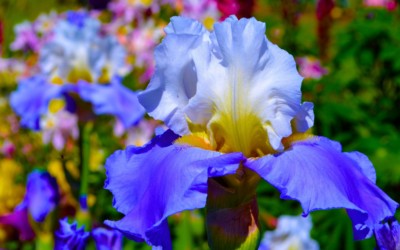
Bearded Irises: Planting and Caring for Rhizomes and Transplants
If you're looking to add a splash of color and elegance to your garden, bearded irises are a fantastic choice. Known for their striking blooms and hardy nature, irises can thrive in San Antonio, Texas, with the right care and attention. In this blog, we’ll explore the...
Planting Calendar by Month
The planting dates on this calendar range from the earliest (in the spring, you might need to protect from late frosts) to the latest (in the fall, you might need to protect from early frosts). You will probably get the best results by planting in the middle of the range. And remember to keep an eye on the weather forecast!
Planting Calendar by Month
The planting dates on this calendar range from the earliest (in the spring, you might need to protect from late frosts) to the latest (in the fall, you might need to protect from early frosts). You will probably get the best results by planting in the middle of the range. And remember to keep an eye on the weather forecast!
Things to plant starting in Jan.:
- Peas, shelling, sugar snap & snow: Jan. 1–Feb. 15
- Cauliflower transplants: Jan. 1–Mar. 15
- Broccoli transplants: Jan. 15–Mar. 15
- Cabbage transplants – Jan. 15–Mar. 15
- Collards – Jan. 15–Mar. 25
- Turnip – Jan. 15–May 1
- Radish: Jan. 20–May 1
Things to plant starting in Feb.:
- Beets: Feb. 1–Apr. 20
- Carrots – Feb. 1–Mar. 1
- Kale – Feb. 1–Apr. 1
- Kohlrabi – Feb. 1–Apr. 1
- Leeks – Feb. 1–May 1
- Leaf lettuce – Feb. 1–Apr. 1
- Mustard – Feb. 1–Apr. 1
- Potato, Irish – Feb. 1–Mar. 15
- Swiss chard – Feb. 1–Apr. 15
- Chinese cabbage – Feb. 1–Mar. 15
- Tomato transplants – Feb. 15–Apr. 1
- Corn: Feb. 25–June 15
Things to plant starting in Mar.:
- Cucumber: Mar. 1–Apr. 15
- Pepper transplants: Mar. 1–May 1
- Squash, winter and summer: Mar. 1–May 15
- Watermelon – Mar. 1–May 1
- Beans, bush: Mar. 5–May 5
- Beans, lima: Mar. 5–Apr. 20
- Beans, pole or pinto: Mar. 15–May 1
- Cantaloupe: Mar. 15–May 1
- Eggplant transplants: Mar. 15–May 10
- Southern Peas: Mar. 20–Jul. 10
- Sweet Potato, slips: Mar. 20–May 31
Things to plant starting in Apr.:
- Okra: Apr. 1–Jul. 1
Things to plant starting in Jul.:
- Cantaloupe: Jul. 1–Aug. 15
- Eggplant transplants: Jul. 1–Sept. 1
- Okra: Jul. 1–Aug. 15
- Watermelon: Jul. 1–Jul. 31
- Southern Peas: Jul. 10–Sept. 1
- Squash, winter: Jul. 10–Aug. 15
- Pepper transplants: Jul. 15–Sept. 1
- Tomato transplants: Jul. 15–Sept. 1
- Rutabaga: Jul. 15–Dec. 15
- Beans, lima: Jul. 25–Aug. 20
Things to plant starting in Aug.:
- Beans, bush or pole – Aug. 1–Sept. 5
- Cabbage transplants: Aug. 1–Dec. 1
- Cucumber: Aug. 1–Sept. 15
- Garlic: Aug. 1–Sept. 30
- Squash, summer: Aug. 1–Sept. 10
- Corn: Aug. 13–Aug. 23rd
- Kale: Aug. 15–Dec. 15
- Kohlrabi – Aug. 15–Dec. 15
- Radish – Aug. 15–Dec. 15
- Swiss chard – Aug. 15–Dec. 15
- Turnip – Aug. 15–Dec. 15
- Potato, Irish: Aug. 20–Sept. 10
- Broccoli transplants: Aug. 20–Dec. 1
- Brussels sprouts – Aug. 20–Dec. 1
- Chinese cabbage – Aug. 20–Dec. 15
- Carrots – Aug. 20–Dec. 1
- Cauliflower transplants – Aug. 20–Dec. 1
- Collards – Aug. 20–Dec. 1
- Leaf lettuce – Aug. 20–Dec. 15
- Mustard – Aug. 20–Dec. 15
Things to plant starting in Sept.:
- Beets: Sept. 1–Nov. 15
- Celery transplants: Sept. 1–Dec. 15
- Head lettuce – Sept. 1–Dec. 15
- Spinach: Sept. 1–Mar. 1
- Strawberries transplants: Sept. 1–Oct. 15
Things to plant starting in Oct.:
- Onion seed: Oct. 1–31
Things to plant Starting in Nov.:
- Asparagus crowns: Nov. 15–Mar. 15
- Artichoke transplants – Nov. 15–Mar. 15
- Onion transplants: Nov. 15–Mar. 1st


