



Winter Gardening Tips & Guides

Fresh Cut Christmas Tree Care
Bringing home a fresh Christmas tree fills the house with fragrance and cheer—here are eight quick tips for how to keep it looking vibrant and safe all season long. 1. Make a Fresh Cut Before placing your tree in the stand, cut ½–1 inch off the bottom of the...
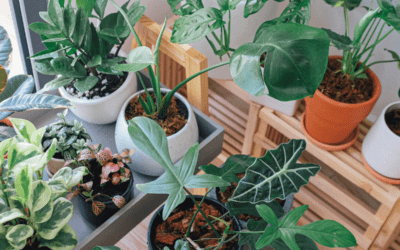
Houseplants: Winter Care Tips
When winter comes along and we head indoors more often than outdoors, our houseplants provide us solace when we are yearning to be working in our gardens. While our attention is turned to our houseplants, we must be careful not to heap too much attention on them...

Winter Plant Protection: Indoor Winter Care
When cool nights start signaling the approach of winter, many San Antonio gardeners begin the annual ritual of bringing tender plants indoors. But before you shuffle those pots inside, there’s a crucial step that often gets overlooked: treating plants for pests before...

Poinsettia Care: Watering Tips – Ditch the Ice Cubes.
Using ice cubes to water poinsettias has become a trendy “hack,” but it’s actually not helpful and can even be harmful to the plant. Poinsettia care really starts with watering correctly. It can be the difference between a gorgeous holiday plant that thrives or one...
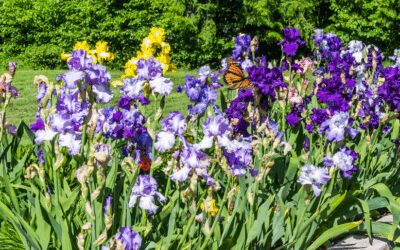
Growing Reblooming Bearded Iris in San Antonio: Care Guide
Bearded iris are some of the most iconic spring bloomers in Texas gardens. Their ruffled petals, bold colors, and dependable performance make them a favorite for creating showstopping beds with minimal maintenance. For gardeners interested in extended color,...
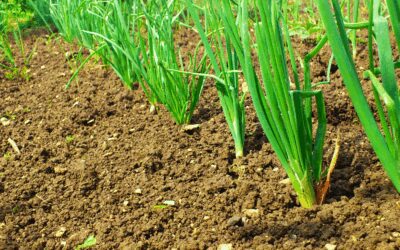
Planting Onions in San Antonio Texas: Nov.- Dec. is Prime Time.
It's time to start planting onions here in the San Antonio area and you're in the right place for some great tips. Onions are one of the most satisfying and versatile vegetables to grow. When done right, you can enjoy crisp green onions early in the season or...
Planting Calendar by Month
The planting dates on this calendar range from the earliest (in the spring, you might need to protect from late frosts) to the latest (in the fall, you might need to protect from early frosts). You will probably get the best results by planting in the middle of the range. And remember to keep an eye on the weather forecast!
Planting Calendar by Month
The planting dates on this calendar range from the earliest (in the spring, you might need to protect from late frosts) to the latest (in the fall, you might need to protect from early frosts). You will probably get the best results by planting in the middle of the range. And remember to keep an eye on the weather forecast!
Things to plant starting in Jan.:
- Peas, shelling, sugar snap & snow: Jan. 1–Feb. 15
- Cauliflower transplants: Jan. 1–Mar. 15
- Broccoli transplants: Jan. 15–Mar. 15
- Cabbage transplants – Jan. 15–Mar. 15
- Collards – Jan. 15–Mar. 25
- Turnip – Jan. 15–May 1
- Radish: Jan. 20–May 1
Things to plant starting in Feb.:
- Beets: Feb. 1–Apr. 20
- Carrots – Feb. 1–Mar. 1
- Kale – Feb. 1–Apr. 1
- Kohlrabi – Feb. 1–Apr. 1
- Leeks – Feb. 1–May 1
- Leaf lettuce – Feb. 1–Apr. 1
- Mustard – Feb. 1–Apr. 1
- Potato, Irish – Feb. 1–Mar. 15
- Swiss chard – Feb. 1–Apr. 15
- Chinese cabbage – Feb. 1–Mar. 15
- Tomato transplants – Feb. 15–Apr. 1
- Corn: Feb. 25–June 15
Things to plant starting in Mar.:
- Cucumber: Mar. 1–Apr. 15
- Pepper transplants: Mar. 1–May 1
- Squash, winter and summer: Mar. 1–May 15
- Watermelon – Mar. 1–May 1
- Beans, bush: Mar. 5–May 5
- Beans, lima: Mar. 5–Apr. 20
- Beans, pole or pinto: Mar. 15–May 1
- Cantaloupe: Mar. 15–May 1
- Eggplant transplants: Mar. 15–May 10
- Southern Peas: Mar. 20–Jul. 10
- Sweet Potato, slips: Mar. 20–May 31
Things to plant starting in Apr.:
- Okra: Apr. 1–Jul. 1
Things to plant starting in Jul.:
- Cantaloupe: Jul. 1–Aug. 15
- Eggplant transplants: Jul. 1–Sept. 1
- Okra: Jul. 1–Aug. 15
- Watermelon: Jul. 1–Jul. 31
- Southern Peas: Jul. 10–Sept. 1
- Squash, winter: Jul. 10–Aug. 15
- Pepper transplants: Jul. 15–Sept. 1
- Tomato transplants: Jul. 15–Sept. 1
- Rutabaga: Jul. 15–Dec. 15
- Beans, lima: Jul. 25–Aug. 20
Things to plant starting in Aug.:
- Beans, bush or pole – Aug. 1–Sept. 5
- Cabbage transplants: Aug. 1–Dec. 1
- Cucumber: Aug. 1–Sept. 15
- Garlic: Aug. 1–Sept. 30
- Squash, summer: Aug. 1–Sept. 10
- Corn: Aug. 13–Aug. 23rd
- Kale: Aug. 15–Dec. 15
- Kohlrabi – Aug. 15–Dec. 15
- Radish – Aug. 15–Dec. 15
- Swiss chard – Aug. 15–Dec. 15
- Turnip – Aug. 15–Dec. 15
- Potato, Irish: Aug. 20–Sept. 10
- Broccoli transplants: Aug. 20–Dec. 1
- Brussels sprouts – Aug. 20–Dec. 1
- Chinese cabbage – Aug. 20–Dec. 15
- Carrots – Aug. 20–Dec. 1
- Cauliflower transplants – Aug. 20–Dec. 1
- Collards – Aug. 20–Dec. 1
- Leaf lettuce – Aug. 20–Dec. 15
- Mustard – Aug. 20–Dec. 15
Things to plant starting in Sept.:
- Beets: Sept. 1–Nov. 15
- Celery transplants: Sept. 1–Dec. 15
- Head lettuce – Sept. 1–Dec. 15
- Spinach: Sept. 1–Mar. 1
- Strawberries transplants: Sept. 1–Oct. 15
Things to plant starting in Oct.:
- Onion seed: Oct. 1–31
Things to plant Starting in Nov.:
- Asparagus crowns: Nov. 15–Mar. 15
- Artichoke transplants – Nov. 15–Mar. 15
- Onion transplants: Nov. 15–Mar. 1st


