



Winter Gardening Tips & Guides
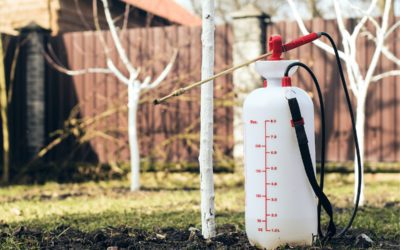
Time for Horticultural & Dormant Oil to Prevent Scale
If you’ve followed Rainbow Gardens on our social media channels, or these blogs for any amount of time, you’ve probably noticed us telling you to avoid “wipe out” sprays for pest and disease control, and how we even try to encourage you not to spray for problems...
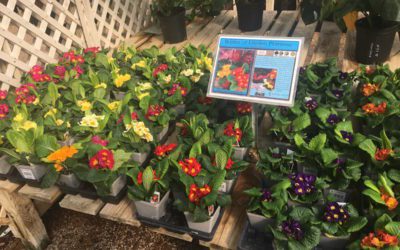
Primrose Packs a Punch of Winter Color!
Most of us scoop up a bunch of pansies to get our annual color fix throughout winter and there definitely isn't anything wrong with that. But there's another option for you. If brilliant color in a cold tolerant plant is what you crave, take a look at the primrose.The...

Gear Up For Old Man Winter: Plant Protection Tips
It's coming, it's really coming. The REAL cold weather is right around the corner. South Central Texas folks are certainly aware that the temperatures can rise and fall from day to day with no sense of a pattern. We get as much of a warning for weather changes as a...
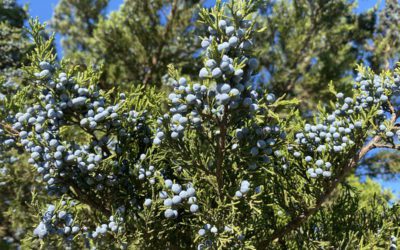
Cedar Fever: Get Ready, Cause Here It Comes
A trip to the softball fields in Burleson, Texas this weekend had me running for my notebook to jot down my thoughts for a PSA blog this week. One look at the trees that lined the perimeter of the fields and i just knew I had to write a PSA on Cedar Fever, and the...
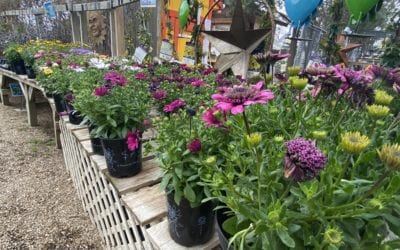
Behind the Scenes at Rainbow Gardens: Spring Plants
It’s looking to be a wild ride for spring gardening in San Antonio, Texas. The impact of the continued pandemic, followed by the severity of winter storm Uri, is being realized throughout our city in a multitude of ways. Rainbow Gardens is no different. Here’s a run...
After the Freeze: More Advice/Reality Checks for Plants
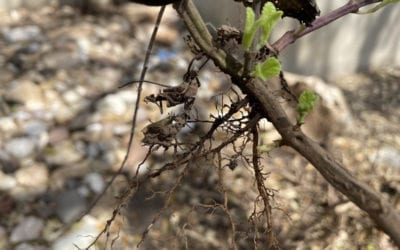
For those of you still waiting patiently to see how your plants fair after the freeze, kudos to you! It's been a hard wait, and for many plants, the wait isn't over yet. Experts in the horticulture world want us to know that it may take weeks, and for some plants,...
Planting Calendar by Month
The planting dates on this calendar range from the earliest (in the spring, you might need to protect from late frosts) to the latest (in the fall, you might need to protect from early frosts). You will probably get the best results by planting in the middle of the range. And remember to keep an eye on the weather forecast!
Planting Calendar by Month
The planting dates on this calendar range from the earliest (in the spring, you might need to protect from late frosts) to the latest (in the fall, you might need to protect from early frosts). You will probably get the best results by planting in the middle of the range. And remember to keep an eye on the weather forecast!
Things to plant starting in Jan.:
- Peas, shelling, sugar snap & snow: Jan. 1–Feb. 15
- Cauliflower transplants: Jan. 1–Mar. 15
- Broccoli transplants: Jan. 15–Mar. 15
- Cabbage transplants – Jan. 15–Mar. 15
- Collards – Jan. 15–Mar. 25
- Turnip – Jan. 15–May 1
- Radish: Jan. 20–May 1
Things to plant starting in Feb.:
- Beets: Feb. 1–Apr. 20
- Carrots – Feb. 1–Mar. 1
- Kale – Feb. 1–Apr. 1
- Kohlrabi – Feb. 1–Apr. 1
- Leeks – Feb. 1–May 1
- Leaf lettuce – Feb. 1–Apr. 1
- Mustard – Feb. 1–Apr. 1
- Potato, Irish – Feb. 1–Mar. 15
- Swiss chard – Feb. 1–Apr. 15
- Chinese cabbage – Feb. 1–Mar. 15
- Tomato transplants – Feb. 15–Apr. 1
- Corn: Feb. 25–June 15
Things to plant starting in Mar.:
- Cucumber: Mar. 1–Apr. 15
- Pepper transplants: Mar. 1–May 1
- Squash, winter and summer: Mar. 1–May 15
- Watermelon – Mar. 1–May 1
- Beans, bush: Mar. 5–May 5
- Beans, lima: Mar. 5–Apr. 20
- Beans, pole or pinto: Mar. 15–May 1
- Cantaloupe: Mar. 15–May 1
- Eggplant transplants: Mar. 15–May 10
- Southern Peas: Mar. 20–Jul. 10
- Sweet Potato, slips: Mar. 20–May 31
Things to plant starting in Apr.:
- Okra: Apr. 1–Jul. 1
Things to plant starting in Jul.:
- Cantaloupe: Jul. 1–Aug. 15
- Eggplant transplants: Jul. 1–Sept. 1
- Okra: Jul. 1–Aug. 15
- Watermelon: Jul. 1–Jul. 31
- Southern Peas: Jul. 10–Sept. 1
- Squash, winter: Jul. 10–Aug. 15
- Pepper transplants: Jul. 15–Sept. 1
- Tomato transplants: Jul. 15–Sept. 1
- Rutabaga: Jul. 15–Dec. 15
- Beans, lima: Jul. 25–Aug. 20
Things to plant starting in Aug.:
- Beans, bush or pole – Aug. 1–Sept. 5
- Cabbage transplants: Aug. 1–Dec. 1
- Cucumber: Aug. 1–Sept. 15
- Garlic: Aug. 1–Sept. 30
- Squash, summer: Aug. 1–Sept. 10
- Corn: Aug. 13–Aug. 23rd
- Kale: Aug. 15–Dec. 15
- Kohlrabi – Aug. 15–Dec. 15
- Radish – Aug. 15–Dec. 15
- Swiss chard – Aug. 15–Dec. 15
- Turnip – Aug. 15–Dec. 15
- Potato, Irish: Aug. 20–Sept. 10
- Broccoli transplants: Aug. 20–Dec. 1
- Brussels sprouts – Aug. 20–Dec. 1
- Chinese cabbage – Aug. 20–Dec. 15
- Carrots – Aug. 20–Dec. 1
- Cauliflower transplants – Aug. 20–Dec. 1
- Collards – Aug. 20–Dec. 1
- Leaf lettuce – Aug. 20–Dec. 15
- Mustard – Aug. 20–Dec. 15
Things to plant starting in Sept.:
- Beets: Sept. 1–Nov. 15
- Celery transplants: Sept. 1–Dec. 15
- Head lettuce – Sept. 1–Dec. 15
- Spinach: Sept. 1–Mar. 1
- Strawberries transplants: Sept. 1–Oct. 15
Things to plant starting in Oct.:
- Onion seed: Oct. 1–31
Things to plant Starting in Nov.:
- Asparagus crowns: Nov. 15–Mar. 15
- Artichoke transplants – Nov. 15–Mar. 15
- Onion transplants: Nov. 15–Mar. 1st


