




If you’ve ever dreamed of a yard bursting with bluebonnets, Indian blanket, and cheerful coreopsis, you can have it! Planting spring wildflowers in San Antonio, Texas is easier than you might think. The trick is getting the timing right, understanding how wildflowers wake up after winter, and knowing what to plant when. Let’s dig in.
Spring Wildflowers in San Antonio: The Best Time
Here in San Antonio and the surrounding Hill Country, the ideal window for planting spring wildflower seeds is: Mid-September through Mid-December.
This may surprise new gardeners who often wonder, why plant wildflowers months before spring? The answer is because wildflowers follow nature’s rhythm, not ours. They need time to settle into the soil, experience winter conditions for months before they decide to gift us their simple but gorgeous blooms in spring.
This leads us to the magic formula: cold stratification = germination.
Why Wildflowers Need Cold Stratification
Cold stratification is simply the natural process of exposing seeds to cool, moist winter conditions.
This “winter nap” breaks down the seed’s tough outer casing, and when this is complete, it signals, “Hey, it’s safe to wake up and grow now!”
Without cold stratification, many native wildflower seeds will stay dormant—and may never sprout.
Planting in fall/early winter allows nature to handle this step for you. No refrigerators, no fancy equipment. Just Mother Nature doing her thing.
Planting Spring Wildflowers: Quick Guide
Planting spring wildflowers is wonderfully simple. Here’s the speedy version:
- Clear the area of weeds, debris, and grasses. Seeds must touch soil.
- Rake or lightly disturb the soil about 1–2 inches deep.
- Mix seed with sand for even spreading.
- Broadcast evenly, then gently press seed into soil (don’t bury them deeply).
- Rainfall or light watering will settle them in.
For a more detailed, step-by-step version for planting spring wildflowers, check out our full PDF guide:
Rainbow Gardens Wildflower Planting Guide
or our quick how-to Youtube video.
Wildflowers You Can Plant Now for Spring Blooms
Plant these from mid-September through mid-December for a gorgeous spring display:
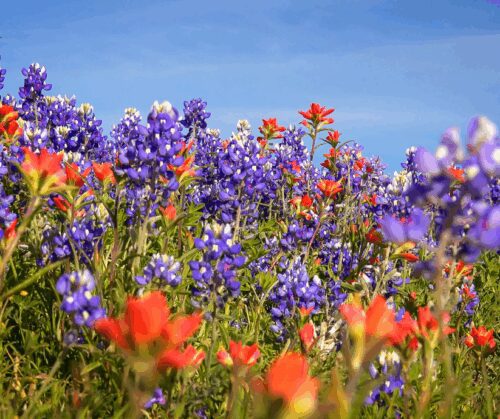
- Texas Bluebonnets
- Indian Blanket (Gaillardia)
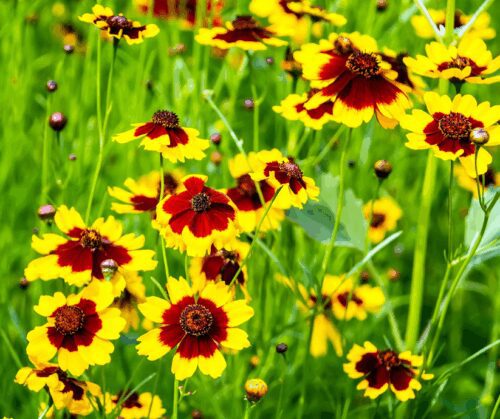
- Lanceleaf Coreopsis
- Standing Cypress
- Purple Coneflower
- Black-Eyed Susan
- Texas Paintbrush
- Mexican Hat (Ratibida)
- Blue Flax
- Evening Primrose
Both of our Rainbow Gardens locations carry bulk wildflowers, so with one scoop you can easily bag up a ready-to-go fall/winter wildflower mix. These thrive when planted in fall and rely on natural winter stratification.
Once spring arrives, you can also plant warm-season wildflowers such as:
- Cosmos
- Zinnias
- Sunflowers
These don’t require cold stratification and are perfect for filling the summer garden with color.
However—and this is important—the majority of wildflower planting in San Antonio happens in late fall and early winter. That’s when you’ll get the biggest payoff.
A Note on Patience: Wildflowers Play the Long Game
Even when planted perfectly, some wildflowers take:
-
A full year, or
-
Even two years before they fully establish and bloom. Don’t lose hope—it’s completely normal. Some seeds naturally wait for the perfect moment. Wildflowers are marathon runners, not sprinters. Stick with them, and they’ll reward you with spectacular spring displays for years to come.
Ready to Planting Spring Wildflowers?
Whether you’re aiming for a classic bluebonnet field or a pollinator-friendly patch full of blooms, now is the perfect time to get started. Grab your seeds, prep your soil, and let nature work her winter magic.
Planting spring wildflowers is a timely garden task that will reward you year after year.
~The Happy Gardener, Lisa Mulroy


