



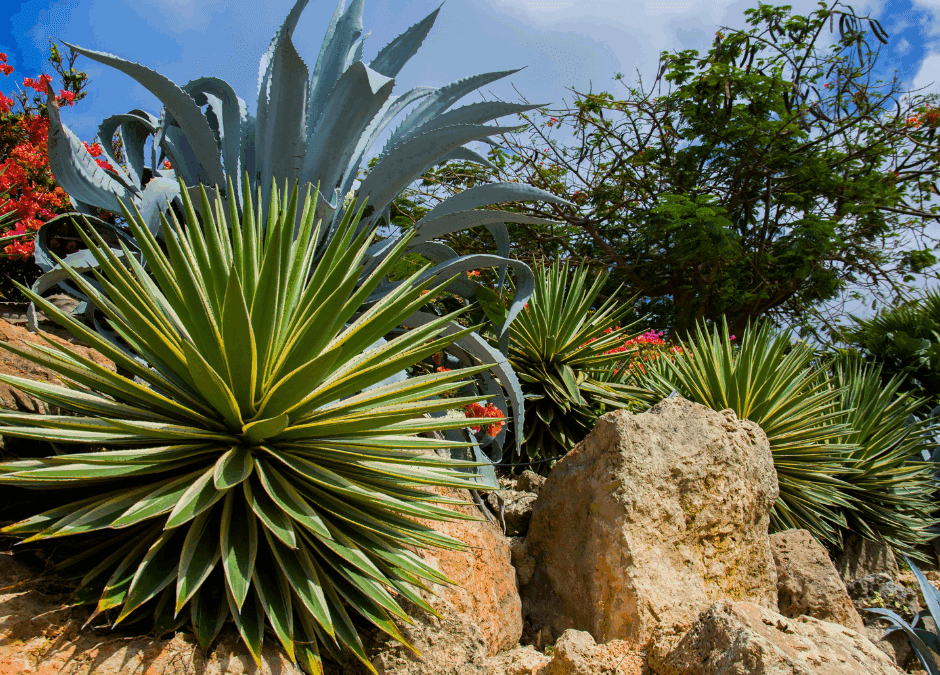
Planting agave, cactus, and other desert specimens can offer a world of textural and structural interest into your landscapes. Their low water usage is a highly desirable trait for our area that sees more than its fair share of droughty summers. But San Antonio weather is nothing if not unpredictable, and every now and then we experience a wetter than usual summer. That’s great for many plants, but when thinking about planting agave, cactus, and other desert specimens, it warrants a deeper look into the variables in your personal landscape to make sure you achieve planting success. We’ve got a few tips.
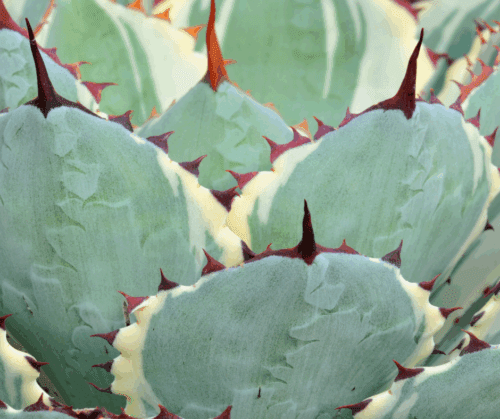
Landscape Factors to Consider when Planting Desert Specimens
When assessing landscapes for planting agave, cactus, and other desert specimens, soil type/drainage is imperative, as is evaluating rain exposure, sun exposure and possible wind breaks. Learn more below.
- Soil Type
- Good soil drainage is of utmost importance.
- Make sure to test for excellent soil drainage. This will greatly help your decision in whether planting agave, cactus or other desert specimens is feasible in the area you desire to plant in.
- Here’s an easy guide to help you with your soil drainage test.
- (If your plant selections are in a pot, use a cactus and succulent potting mix and make sure your container has plenty of drainage holes. Lava rock and sand can also be added to soil as amendments to improve drainage.)
- Rain Exposure
- Multiple areas of your landscape may absorb and drain water differently.
- Observe which sections of your yard collect rainwater or remain soggy after storms and avoid planting desert species in those areas, and in areas that receive extra water from downspouts or runoff.
- Sunlight Exposure
- When planting agave, cactus, and other desert specimens it is crucial that they receive enough direct sunlight.
- Monitor the sun’s path throughout the day as it shifts through the landscape to help you pinpoint locations that receive six to eight hours of direct sunlight.
- Protection from Wind
- Implement fencing, hedges, or windbreaks to shield young or potted plants from strong winds that could cause stress or damage.
- You may just need a temporary windbreak until your specimen gets established.
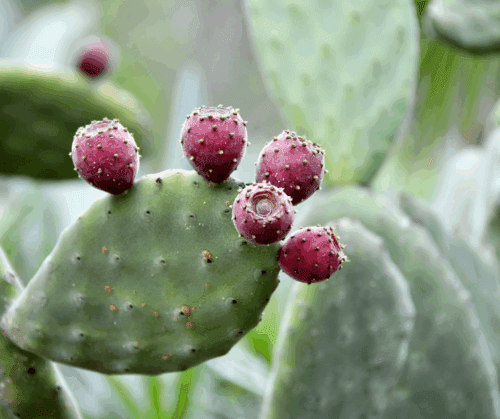
Watering Tests after Planting Agave, Cactus and Other Desert Specimens
After planting agave, cactus and other desert specimens, you’ll need to learn how to test for soil moisture in order to know when how much, and when, you need to water. A couple of tools and techniques you can use are:
- Your finger! If your agave, cactus and desert specimens are on the smaller size, or in a pot, you can easily test for soil moisture by inserting your finger 2-3 inches into the soil. If soil sticks to finger, skip watering. If soil flakes off leaving your finger dry, you can give your plants a drink.
- A wooden dowel. Same concept as above, but for larger specimens planted in the ground, you can gently tap a wooden dowel down into the soil to depth of 6-8 inches and follow the same analysis of soil sticking or flaking off.
- A commercial moisture meter. These can take the guessing out of the picture, if you can learn how to use them. Personally I think you will get a better “feel” for the watering needs of your plant using the first two options, but commercial moisture meters can be a good tool to help in the beginning.
Be sure to check out a former blog and that gives more tips for planting agave, cactus and other desert specimens, including helpful soil amendment recommendations and planting on an elevated berm to improve drainage. Hope this helps!
~The Happy Gardener, Lisa Mulroy


