


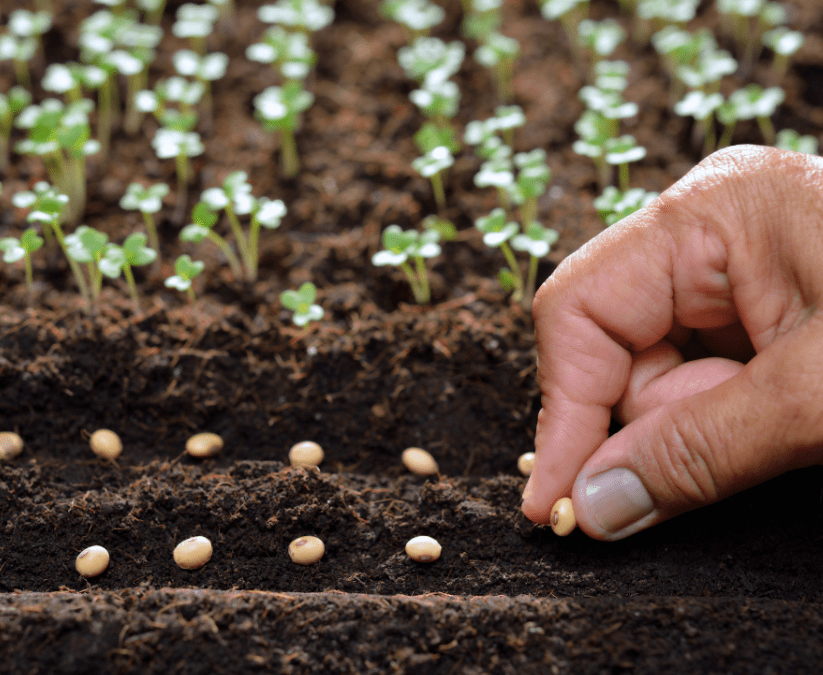
Direct seeding can be rewarding and lucrative. Think of it; you place a tiny veggie seed in the soil and care for it, nurture it, and one day it offers you something back in the form of a vine full of beans, or a head of crispy, fresh lettuce. That is rewarding. When you compare the cost of one 4” veggie transplant, and the numerous seeds in one packet and see you get more band for your buck with the seeds, you can see how direct seeding can also be lucrative.
Of course you’ll need to make sure your seeds are kept moist to help them germinate. You’ll also need to protect them from any critters or pests that love nothing more than to munch on fresh, new, plant growth. And you’ll most likely need to do a little thinning of your seeds once they are up and growing to provide enough room for root development. But care and maintenance goes hand in hand with any plantings in the vegetable garden. The process of direct seeding can be a really fun learning experience.
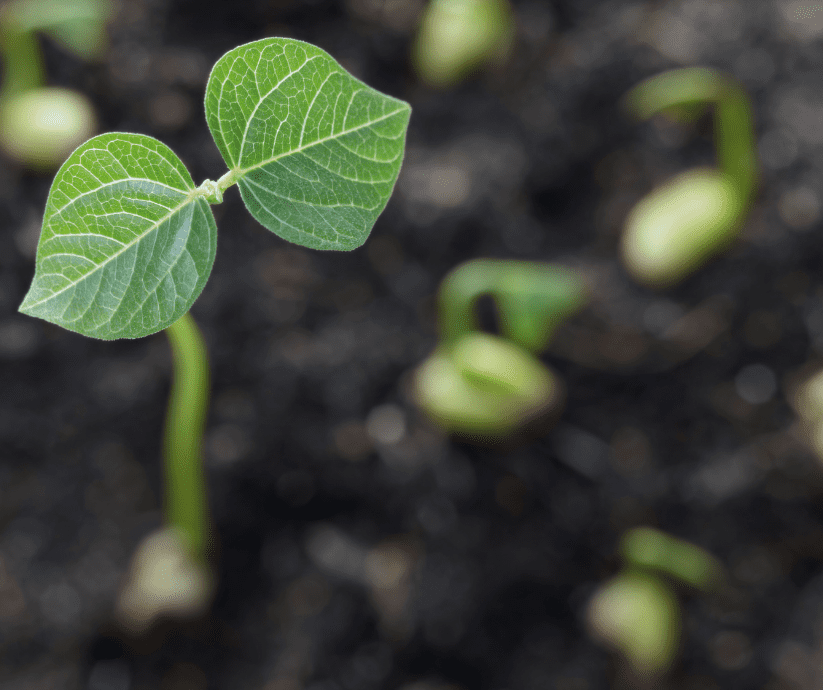
While some of the following veggies can also be direct-seeded in spring, today we are focusing on what you can direct seed into the garden during the cooler temperatures of fall and winter. Don’t worry, we’ll remind you in January what you need to be seeding from the beginning of the new year into spring time. But this gives you an idea of the seed packets to go ahead and buy for planting now or in the near future.
20 Direct Seed Veggie Options for Fall and Winter in San Antonio
- Arugula: mid Sept – end of Feb
- Beans (Bush): mid August – Sept
- Beans (Pole): mid July – Sept
- Beans (Fava, with a little chianti of course!): Sept – Oct
- Beets: mid Aug – 1st week Nov
- Carrots: Oct – Nov
- Chard (Swiss): Sept – 3rd week Nov
- Kale: Oct – Nov
- Kohlrabi: Sept – 1st week Oct, and Jan – 2nd week Feb
- Lettuce (Head): mid Aug – end of Mar
- Lettuce (Romaine): mid Aug – Dec
- Lettuce (Looseleaf): mid Aug – Dec
- Lettuce (Summer Crisp): mid Aug – Dec
- Mustard: last week Aug – 2nd week Nov
- Onion (Bulbing): Nov – 3rd week Jan
- Onion (Bunching): Sept – Dec
- Peas (English): Oct – Feb
- Radish: mid Sept – Mar
- Spinach: Oct – Feb
- Turnip: mid Sept – Feb
For fall and winter veggie options like Broccoli, Brussels sprouts, Cabbage, Chinese Cabbage, Cauliflower, Asparagus, it’s best to plant transplants from the end of September through November. (Or start seeds indoors mid August – mid September, so your transplants will be ready for the garden at the right time.)
A big thank you to Zach Halfin for this info derived from his Planting Calendar for Central Texas. You can access his full calendar here, and donate to support his mission of sharing Texas growing knowledge.
~The Happy Gardener, Lisa Mulroy


