



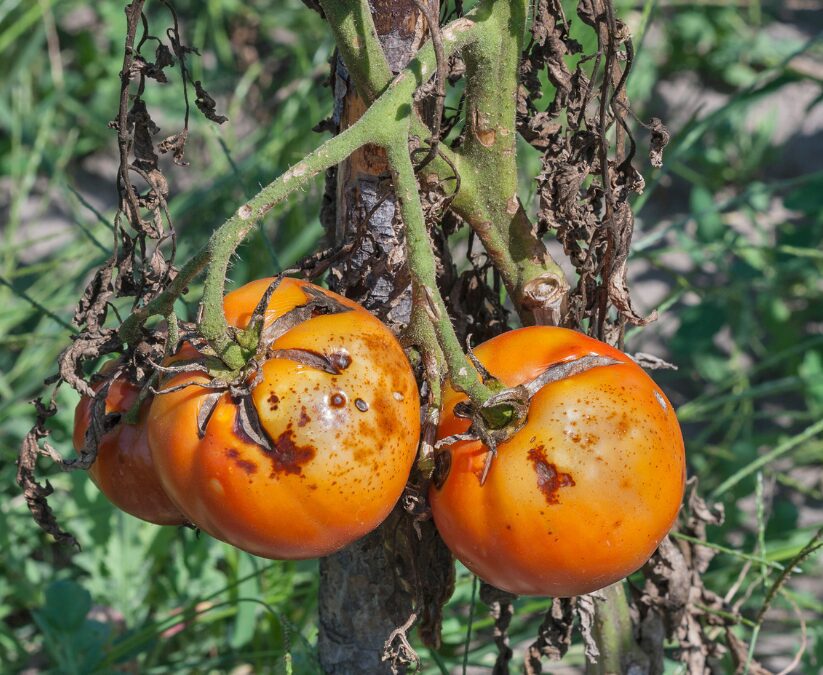
When shopping for tomato varieties, you’ll often see a string of letters after the name—something like VFNTA. That’s not alphabet soup; it’s a roadmap to fewer plant problems. These letters are tomato disease resistant codes, and they tell you which diseases a tomato is bred to resist.
In a place like San Antonio, where heat, humidity, and soil-borne diseases are common, choosing resistant varieties can mean the difference between a great harvest and heartbreak. Take a look at the following disease resistant codes and then when you shop our early tomatoes later this month, you can keep an eye out for varieties that avoid these diseases.
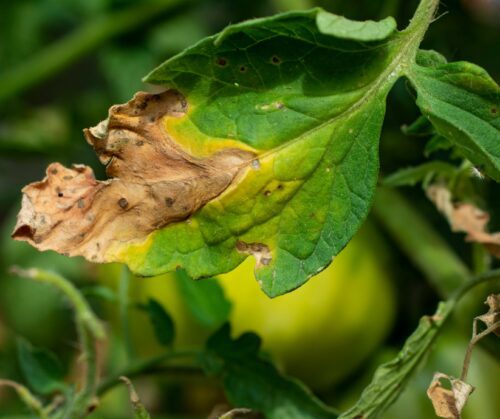
The 7 Most Common Tomato Disease Codes (Decoded)
1. V – Verticillium Wilt
What it is:
A soil-borne fungal disease that blocks water movement in plants.
Symptoms:
-
Yellowing leaves
-
Wilting during the heat of the day
-
Slow decline over time
Why resistance matters:
Once it’s in your soil, it’s hard to eliminate. Resistant varieties are your best defense.
2. F – Fusarium Wilt
What it is:
Another soil fungus that attacks tomato roots and stems.
Symptoms:
-
Yellowing starting on one side of the plant
-
Wilting even when soil is moist
-
Plant collapse
Important note:
You may see F1, F2, or F3:
-
F1 = resistance to one strain
-
F2 / F3 = broader resistance (better!)
3. N – Root-Knot Nematodes
What it is:
Microscopic worms living in soil that damage roots.
Symptoms:
-
Stunted growth
-
Yellowing leaves
-
Swollen or knotted roots
Why it matters in Texas:
Nematodes thrive in warm soils—this is a big one for South Texas gardeners.
4. T – Tobacco Mosaic Virus (TMV)
What it is:
A highly contagious virus that affects tomatoes and peppers.
Symptoms:
-
Mottled or streaked leaves
-
Distorted growth
-
Reduced fruit quality
Fun (but alarming) fact:
It can spread from hands, tools, and even tobacco products.
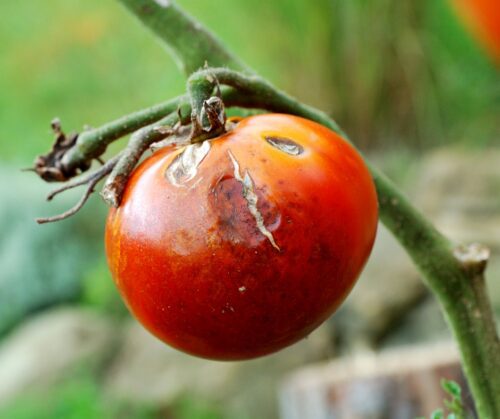
5. A – Alternaria Stem Canker
What it is:
A fungal disease, commonly spread by rains, dew, and overhead irrigation.
Symptoms:
-
Brown or black cankers on tomato stems, leaves, and fruit
- Cankers get bigger and strangle the stem before harvest
Extra Help:
A layer of mulch applied in May (once soil has warmed), canhelp with disease resistance as it makes a nice barrier to soil splashing up on foliage.
6. S – Stemphylium Gray Leaf Spot
What it is:
Stemphylium gray leaf spot is a fungal disease that thrives in warm, humid conditions—very familiar territory for San Antonio gardeners.
Symptoms:
-
Small brown spots that darken to brown or black
-
Spots may have gray centers
-
Begins on older leaves and moves upward
-
Leaves may yellow, dry up, and drop prematurely
Why it matters:
Leaf loss reduces the plant’s ability to photosynthesize, which can lead to:
-
Reduced yields
-
Sunscald on fruit
-
Weakened plants later in the season
How resistance helps:
Tomato varieties with resistance to Stemphylium gray leaf spot are less likely to suffer severe leaf loss, especially during periods of high humidity or overhead watering.
7. TSWV – Tomato Spotted Wilt Virus
What it is:
A virus spread by thrips.
Symptoms:
-
Purple or bronze leaf discoloration
-
Ring spots on fruit
-
Stunted plants
Why resistance matters:
Once infected, there is no cure.
How to Read a Tomato Label (Example)
Sometimes tomato labels spell out their disease resistance properties in plain English. But many times, tomato labels use a short cut. If a tomato variety lists:
VFNTA
That means it’s resistant to:
-
Verticillium wilt
-
Fusarium wilt
-
Nematodes
-
Tobacco mosaic virus
-
Alternaria (early blight)
That’s a lot of resistance! The more letters you see = more built-in protection.
What Disease Resistance Codes Do NOT Mean
-
Resistance does NOT equal immunity
Resistant plants can still get sick under extreme conditions, but they’re much tougher. -
Healthy soil, good airflow, and proper watering still matter.
-
Disease resistance is one tool in a successful tomato strategy. Tomatoes are one of the most demanding veggies we grow in San Antonio, but varieties with built-in resistance can save you time, effort, and frustration.
Choosing tomatoes with disease resistance codes:
-
Reduces the need for treatments
-
Increases success in Texas heat.
-
Leads to healthier plants and better harvests
If you’re planting tomatoes in San Antonio, those little letters on the tag can make a big difference.
Extra Tips for Disease Resistance
Besides choosing disease resistant tomato varieites, the following few tips can also greatly help you avoid developing fungal issues on your tomatoes:
Prevention tips (even with resistant varieties):
-
Avoid overhead watering
-
Space plants for good airflow
-
Remove infected leaves promptly
-
Clean up plant debris at the end of the season
We’ll be celebrating tomatoes by mid-month, when we expect to see a great selection of rodeo tomatoes and other great disease resistant varieties. Make sure you sign up for our newsletter and/or follow us on our social media channels so you get updated when our tomatoes are here.
~The Happy Gardener, Lisa Mulroy


