



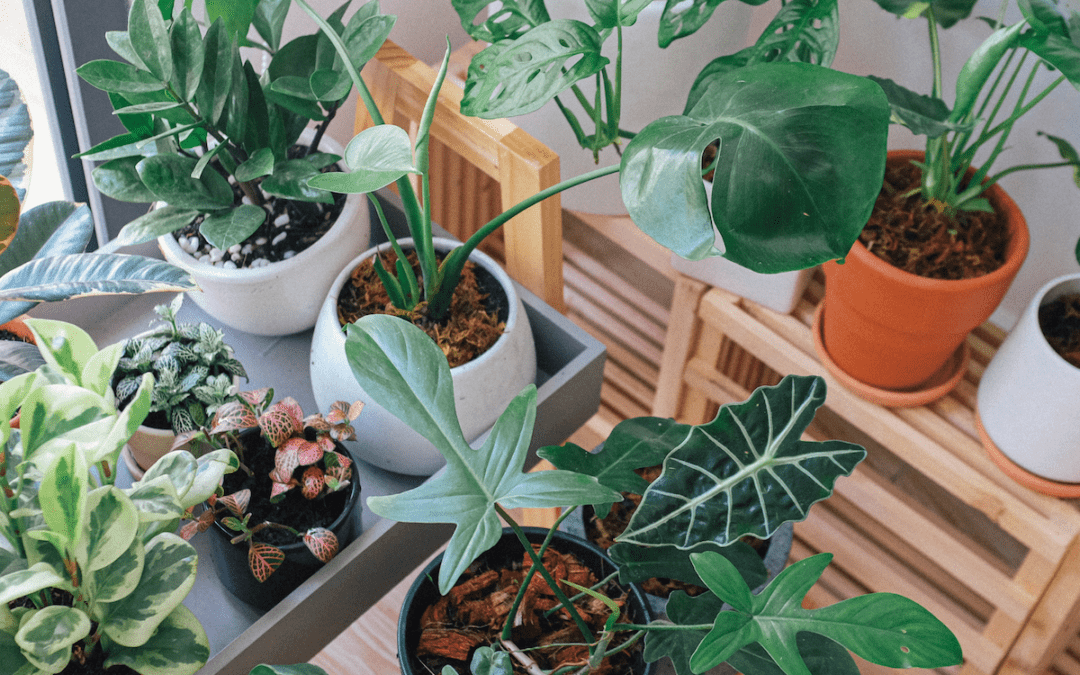
When winter comes along and we head indoors more often than outdoors, our houseplants provide us solace when we are yearning to be working in our gardens. While our attention is turned to our houseplants, we must be careful not to heap too much attention on them during their “down” season. today we’re talking about houseplants and winter care, and giving you some tips for cold weather success.
Houseplants Winter Care: Watering
Since we are visiting with our houseplants more often now that we are stuck inside, there is no excuse not to give them a daily watering, right? Wrong! Overwatering houseplants during winter is one of the quickest ways you’ll develop fungal and pest issues that may lead to throwing your once beautiful houseplant away!
Growth slows down for most houseplants during winter and water is not as much of a demand. Overwatering throughout winter when a houseplant isn’t actually taking up as much water leaves soil soggy and susceptible to growing a fungus, which can lead to a fungus gnat infestation. I wouldn’t wish a fungus gnat infestation on my worst enemy! Soggy soil also causes root rot that may eventually lead to death.
Don’t let your eyes be the judge of when you need to water your houseplants. Use your finger. Even though the top of the soil may look dry, you need to stick your finger down in it and only water your houseplants when the soil is dry at least 2 inches down.
Houseplants Winter Care: Fertilizing
However, there are a few exceptions. Plants that actively grow through winter under strong supplemental lighting—such as herbs grown indoors, certain tropical foliage plants (like pothos or philodendron), or houseplants kept in warm, bright sunrooms. These may continue putting out new growth and can benefit from light, diluted feedings. Blooming indoor plants like holiday cactus (Schlumbergera) or poinsettias may also appreciate a small dose of fertilizer after they finish flowering, especially if you plan to keep them long-term. As a general rule: if the plant is growing, go ahead and feed lightly; if it’s resting, let it rest.
Houseplants Winter Care: Sunlight, Steady Temps and Humidity
Water
What you can do for your houseplants throughout winter is to make sure they are getting the sunlight that they need. Sunlight shifts during winter and is not as strong as it is during summertime. You may need to move houseplants to a south-facing or west-facing window to get the most sunlight possible. Rotate your houseplants each time you water them to make sure each side of your houseplants is receiving an equal amount of sunlight to ensure uniform growth.
Temperature
You can also make sure your houseplants are comfy with the temperature in your home. Make sure not to place houseplants on windowsills where their foliage could touch a cold window or where they might feel a frosty draft. Keep your houseplants away from areas where the temperature fluctuates. Try not to situate your houseplants by radiators, directly under vents, by drafty windows, and by all means move your houseplants away from the fireplace before you stoke up your logs.
Humidity
Available humidity tends to go by the wayside when we turn on our heaters which dry up the air in our homes. Houseplants that thrive in humid conditions may benefit from being set upon a drainage saucer filled with a layer of rocks or pebbles and a little bit of water. This creates needed humidity for your plants. Just make sure your pots aren’t sitting in water; the pebbles should offer enough of a barrier.
Winter care for houseplants isn’t difficult when you keep these tips in mind. You’ll be bundled up with these plants for a few months so why not treat them to some great care.
~The Happy Gardener, Lisa Mulroy


