




Soft-leaf yucca (Yucca recurvifolia) is an excellent choice for gardeners in San Antonio, Texas. You get to enjoy the striking structure and form of yucca without any poky parts. Let’s explore what you need to know about planting and nurturing this unique plant in your landscape.
6 Reasons to Choose Soft-Leaf Yucca for San Antonio Landscapes.
Soft-leaf yucca is a fantastic addition to any San Antonio garden due to the following reasons:
- Drought and Heat Tolerance: Soft-leaf yucca thrives in arid conditions, making it perfect for the Texas climate.
- Low Maintenance: Once established, this plant requires minimal care, allowing you to enjoy its beauty without the hassle.
- Pest Resistance: Soft-leaf yucca is naturally resistant to many pests, including those pesky deer, making it a hardy choice for local gardens.
- Evergreen: An stately evergreen means landscape interest year round.
- Aesthetic: The sword-like leaves are a bold structural form for your landscape, but without the dangerous pointy tips; you can plant it around pools!
- Native: It’s always a good idea to add more native plant options. These plants reliably stand up to our climate, restore our local ecosystem, and offer shelter and habitats for local wildlife.
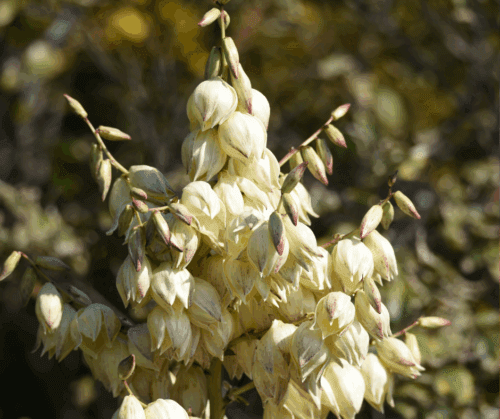
Appearance and Aesthetic of Soft-Leaf Yucca
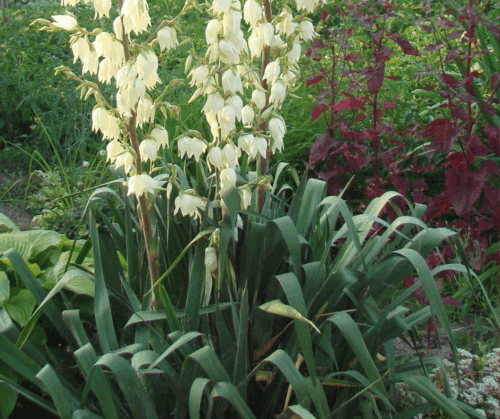
Soft-leaf yucca features striking, blue-green, slender leaves with a graceful bend that may eventually reach 3 feet in length. Its elegant rosettes of foliage create a dramatic focal point in any landscape. During the summer, the plant produces tall spikes adorned with creamy-white, bell-shaped flowers, adding a pop of color and enhancing its visual appeal.
5 Growing Requirements for Soft-Leaf Yucca
To successfully grow soft-leaf yucca in San Antonio, consider the following requirements:
- Light Exposure: This plant thrives in full sun, requiring at least 6 to 8 hours of direct sunlight daily.
- Soil Type: Well-draining soil is crucial. Sandy or loamy soils are ideal, as they prevent waterlogging.
- Average Mature Growth: Soft-leaf yucca generally grows to a height and width of 3-4′ (along with a 6-8′ bloom stalk) at maturity.
- Cold Hardiness: This plant is cold hardy to 0°- 10°F. That keeps them in the clear for pretty much all of our San Antonio winters. However, prolonged freezes or a sudden drop in temperature could possibly cause damage.
- Watering Requirements: Water young plants regularly until established (first couple of growing seasons), then reduce frequency. Soft-leaf yucca prefers infrequent, but deep watering, rather than frequent, shallow watering. In times of extreme drought and heat it may need an additional dose of water.

Additional Tips for Successfully Growing of Soft-Leaf Yucca
To ensure your soft-leaf yucca flourishes in San Antonio, consider the following tips:
- Planting Location: Choose a well-draining spot with ample sunlight to plant your soft-leaf yucca. If you don’t know how to test for soil drainage, look here for some help.
- Mulching: Apply a layer of mulch around the base (but not right up against it) to retain moisture and suppress weeds.
- Fertilizing: Soft-leaf yucca generally doesn’t need much fertilizer if any at all. You could offer a very light fertilizing in early spring with a balanced granular fertilizer. The worry is over-fertilizing which can lead to floppy growth, leaf browning/discoloration, or root damage. Use a light hand.
- Pruning: In early spring, remove any dead or damaged leaves by cutting close to the stalk or base with a sharp, serrated knife, to maintain the plant’s appearance and health.
Soft-leaf yucca looks great paired with similar care xeriscape plants like hesperaloe (red/false yucca), sedum, hens and chicks, and salvias, or trailing lantanas.
By following these guidelines, you can successfully plant and grow these textural show pieces in your San Antonio landscape, and enjoy their resiliency and stately beauty in your garden.
~The Happy Gardener, Lisa Mulroy


