



November Monthly Gardening Guide for San Antonio
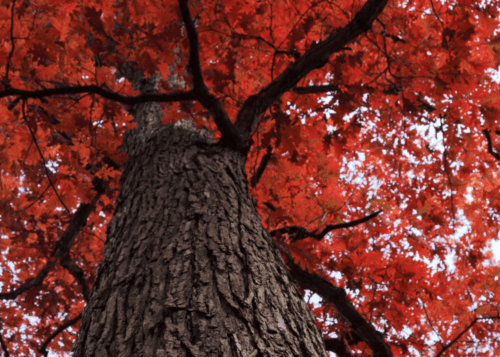
Now is the Time for Tree and Shrub Planting !
You won’t get a better time of the year to get your trees and shrubs planted. These landscape plants are investments. They instantly add value to your property so why not give them the best start possible? Plants have all winter long to establish strong root systems. These root systems are what will get your trees and shrubs through the hotter months when summer returns. All plants do better when there is less stress placed on them while getting established and the cooler temperatures that accompany fall allow for that.
See our full guide below, and download our free PDF quick guide here for easy reference.
November Garden Tasks By Plant Type
Annuals
Annuals
- Don’t delay on getting your beds planted with cool-season annuals, they should be planted by early December. Annuals LOVE rich, organic matter, so be sure you have incorporated compost into your beds before planting. (Compost, peat moss, organic fertilizer)
- You can continue planting snapdragons, stock, dianthus, calendulas, but be prepared to cover them in the event of a freeze to prolong their blooms.
- Weather has usually cooled enough to plant pansies, violas, cyclamen now.
- Water new transplants in with a ½ strength soluble fertilizer at planting.
- Pest activity usually slows down in the cooler months (stay on look out for snails and slugs, use snail and slug baits like Sluggo Plus).
- It’s best to finish up your wildflower seed planting now for an incredible spring show. Wildflowers need mild temps to sprout and establish before a hard freeze.
- If you have spring bulbs planted, you can plant low growing annuals like alyssum, pansies, and Johnny Jump Ups over them without disturbing their growth for spring.
- Ornamental cabbage and kale can be attacked by caterpillars just like the edible versions. Spray with Bt (Bacillus thuringiensis)
Shrubs & Trees
Shrubs
- Here it is! This month is the absolute best time for planting shrubs. Most will be dormant, but their roots continue to grow through our mild winters. Tree and Shrub Planting Guide
- No need to provide extra water or fertilize established shrubs this month.
- New shrubs will still need to be watered in thoroughly.
- Hold off on pruning shrubs this month. If any needs to be done, be very selective about it.
- Choose species of shrubs and plants that are adapted to your soils. Native shrubs and plants are superior choices as they have been adapted to our soils AND climate.
- November is a good time to dig and move shrubs, with the least amount of stress, that may have been planted in the wrong spot in spring. Have your new hole dug and ready, so your shurb experiences the least amount of stress during the transplanting process.
Trees (Ornamental/Shade)
- Here it is, this month is the absolute best time for planting trees because the soil is still somewhat warm, but the cool weather doesn’t stress new trees out. Tree and Shrub Planting Guide
- No need to provide extra water or fertilize established trees this month. Newly planted trees will still need to be watered in thoroughly.
- Remember when mulching your trees to not pile the mulch up against the trunk. This could cause rot. Instead, spread 3-4″ aorund the tree in a donut shape (hole in the middle by the trunk).
- No better time to plant in San Antonio: Choosing Shade Trees for San Antonio
- Stockpile leaves that have fallen from your deciduous trees. Use them as mulch around your plants or add to the compost pile. Shredding leaves reduces bulk and allows you to store more.
Veggies & Herbs
Herbs:
- Propagate cuttings of your favorite warm weather herbs, like African Blue Basil. You can grow these cuttings throughout the winter in a protected, warm, sunny area in your garage or another brightly lit room in your home.
- Plant fresh herbs in pots close to the house so that you can access them easily for use in the kitchen during upcoming holiday cooking. These can easily be brought indoors in case of inclement weather.
- We generally have a great selection of holiday herbs: thyme, sage, rosemary, parsley, etc…
Veggies:
- One of the best times to plant spinach is now.
- Broccoli, cauliflower, cabbage, collards, kale can still be planted but make sure to have freeze protection ready to protect them. Always water in your new transplants with some soluble fertilizer to get them off to a great start.
- Be ready to harvest tomatoes in the event of an upcoming freeze. You can remove green tomatoes from the vine and place them inside in a cardboard box, with space between each tomato so they are not touching, and they will ripen.
- Fertilize cool season crops with a high nitrogen fertilizer as microbial activity in the soil slows down during cooler weather.
- Direct seed veggies like radish, turnip, carrots, and beets. They have a long taproot and do not transplant well. In a few weeks, thin root seedlings to about twice the diameter of the mature root veggie at harvest.
- Young veggie plantings will need to have frost cover ready to protect their tender growth.
- Make your final plantings of lettuce.
- Watch for aphids and cabbage loopers munching on your veggie crops. Insecticidal soap can knock out aphids, Bt (Bacillus thuringiensis) will eradicate cabbage loopers. Make sure to spray under leaves as well as the top.
- If you are not planting a vegetable garden this fall and winter, plant a cover crop to make sure soil stays fertile and will be ready for planting in spring. Cover crops handout
- You may get a break from watering as much now that cooler weather has set in. Observe when we get rain, water as needed.
- Transplants of onions can be planted now.
Lawns
- Finish up your fall fertilization with Rainbow Gardens 18-6-12 Winterizer.
- Take advantage of leaf season to add “brown” to your compost bins. Leaves shouldn’t be left on lawns unless they are mulched. Lawns still need to draw energy from sunlight throughout winter.
- Warm-season grasses are going dormant; so you can turn off your automatic settings on sprinklers, you most likely won’t need them.
- Keep an eye out for Brown Patch; stop watering at night if you are. F-Stop can help control the fungus.
Hardy Fruit, Nut & Citrus Trees
- Finish planting strawberries early this month so they have the time they need to get established for spring.
- Allow citrus fruits to ripen on trees; they won’t ripen after being picked.
- Have winter protection handy for citrus trees in case of an upcoming freeze. One of our favorite ways to add extra winter protection for citrus you can’t bring inside, is to wrap incandescent Christmas lights around the entire tree and plug them in during extra cold nights. Along with covering your citrus with frost protection (commercial frost cloth, or blankets and sheets from home), this makes a kind of greenhouse effect. (Remember to unplug lights and uncover plants when it is sunny outside the next day.)
- Satsumas are some of our most cold hardy citrus fruits, ut all citrus should be grown in contaienrs for at least the first 3-4 years.
- This is a good time to check fruit trees for any signs of scale infestation as they have most likely droppped thier leaves. Flag them by tying a ribbon or gardening tape around them for a reminder to spray with dormant oil in late winter (January).
Perennials
- Keep planting perennials this month; they’ll have a great start and plenty of time to get their roots established before the hot summer.
- Don’t make plans to hard prune any perennials now, leave them be so their foliage will help protect the entire plant from freeze damage. Even if they get nipped by an early freeze, it’s best to wait for late winter or early spring.
- Cover tender perennials that are in bloom if there is a freeze so you’ll get to keep enjoying their flowers, many will continue to bloom through December if given some protection.
- Finish any transplanting/moving) of perennials this month. When digging up the perennial be sure to get as much of the rootball as possible.
- Once the blooms on mums have faded, cut back plant by 1/3 and you may get a few new flowers. Mums can then be planted in the garden as landscape plants; cut them back to the ground in January.
Roses
- No fertilizer needed this month, and only deadheading needed as far as pruning.
- You should have some beautiful blooms on your established roses. Cut some for indoor pleasure. Cut right above a 5-leaflet when the buds are just beginning to open.
- Extra watering may not be needed but watch the weather and focus on getting the water to the roots and off the foliage.
- Planting container-grown roses in fall is a great idea; it’s just a matter of selection at the nurseries since most new stock doesn’t come in until January.
- If you need to move a rosebush wait until December, January, or February.
Groundcovers & Ornamental Grasses
Groundcovers
- You can dig and divide groundcovers if needed this month.
- If there are spots in your groundcovers that are getting thin, you can plant more in those areas now or if you don’t want to buy extra, you may want to apply some mulch to deter weeds until the groundcover is able to grow and fill in.
Ornamental Grasses
- No extra watering should be needed this month except for newly planted grasses.
- Leave dried foliage with seedheads on ornamental grass for birds to eat and to find shelter in.
Bulbs/Rhizomes/Corms
- We usually have amaryllis bulbs in the nursery by now. These should be planted in containers for blooms December or January (wait until April to plant them in the ground).
- When summer bulbs finish up, make sure you mulch and mark their locations in the landscape. This is often overlooked and then gardeners end up digging into them later because they forget where they are.
- If you want to plant tulips and hyacinth bulbs, make sure they are being refrigerated for planting next month. They must have that period of cold for blooms in spring.
- Dig and divide iris, daylily, canna every 3 years.
- Dig up the clump and use a sharp knife to separate sections, cut back tops to a few leaves and reset into prepared soil or put in pots if you need to plant later (or share some with friends).
Plan for Winter!
Buy your frost protection at the beginning of this month, as it might be sold out the day before a freeze.
Don’t delay treating frost sensitive plants that you plan to bring indoors to overwinter. Take care to spray foliage to the point of dripping to make sure you cover pests that may be hiding. Use insecticidal soap or Neem oil.
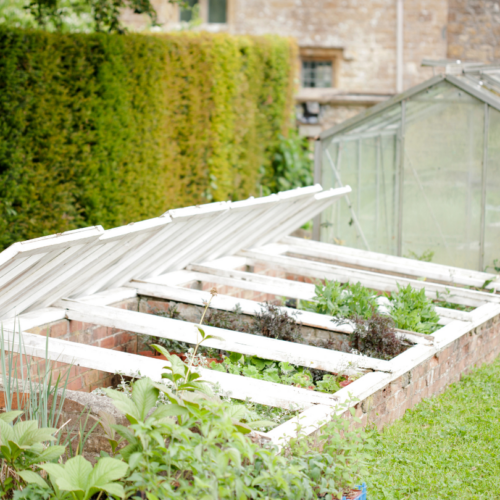
Great time to think about building a greenhouse or some cold frames for starting seeds in mid winter for your spring garden.
Even though you may not be using it as much, it’s a good time to get sprinkler or drip systems installed. There is less public demand at this time, and if installing them yourself the pleasant weather allows for outside projects.
Local Expert Tips
🌿 Rainbow Gardens Tip #1:
While watering is important for plants, overwatering in cooler weather can lead to root rot. Water only as needed (newly planted plants are an exception and will always need water).
🌿 Rainbow Gardens Tip #2:
We can’t stress the importance of planning ahead for winter enough. Freezes can sneak up on us and have you scrambling if you aren’t prepared.
Visit Us
Come see us at Rainbow Gardens for fall color and our great selection of trees and shrubs.
Bandera Location
8516 Bandera Road
San Antonio, TX 78250
(210) 680-2394
Thousand Oaks Location
2585 Thousand Oaks
San Antonio, TX 78232
(210) 494-6131


