




Even though the garden looks quiet this time of year, there are countless pollinators in winter tucked away under leaves, inside hollow stems, and beneath the soil surface. Bees, butterflies, moths, ladybugs, and many other beneficial insects depend on safe hiding places and natural garden debris to survive cold weather. By giving thought to the winter protection they need, you can support the next generation of pollinators long before spring flowers arrive.
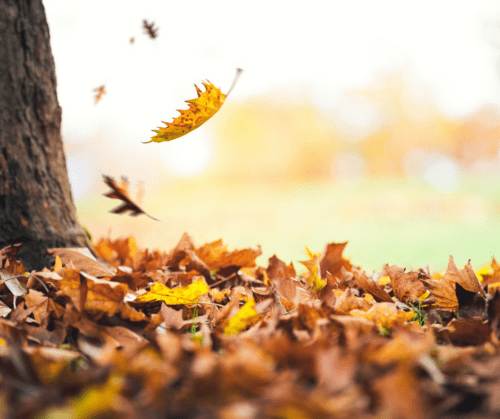
Leave the Leaves (Seriously!)
Fallen leaves and plant debris are essential winter homes. Many native bees nest at the soil surface, and butterflies may be tucked into curled leaves right now.
-
avoid blowing leaves
-
leave leaf piles in garden beds
-
consider “messy corners” for wildlife
Even if you can’t see them, you are surrounded by overwintering pollinators.
Look Before You Clean Up
Winter garden cleanup can accidentally destroy cocoons, chrysalis, and dormant bees resting in stems. You might be itching to trim up freeze damaged limbs and shriveled up leaves, but we implore you to really take some time searching for the presence of our precious pollinators before doing so. Some of these hiding spots are really clever, so it will take a very discerning eye.
-
Check branches before pruning, chrysalis can be nestled in the crooks of branches, or tucked in between the dried leaves.
-
Leave dead stems until spring, they are an added layer of winter protection for your plant anyway.
Plan Gardens in Winter, Don’t Dig
Take the time through winter to plan your gardens rather than sticking a shovel in the ground now. Did you know about 70% of bees hibernate in nests underground? If you can avoid disturbing the soil during this time, or at least avoid digging more than 6″ deep, you’ll be doing a great service to some of our most important pollinators.
Take a rest from digging and instead, plan out your spring garden. Try to include some early spring blooming host and nectar plants to welcome the eager pollinators who come out of winter ready to eat! And while you’re at it, go ahead and include some late fall blooming options a well for those pollinators who end up straggling at the end of the season. Seek out native plants whenever possible as these prove to be the best options not only for our pollinators, but for our ecosystem as a whole.
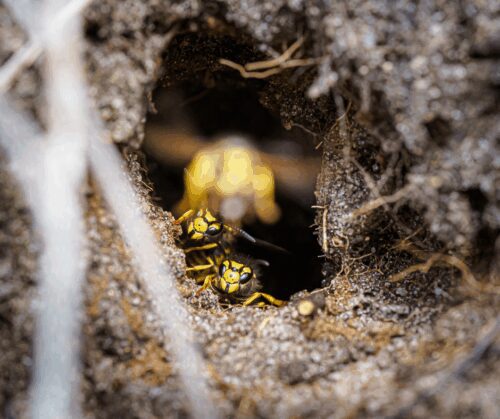
Pollinators in Winter: Shelters They Seek Out
When you know where your favorite pollinators prefer to hang out through winter, you have a better idea of where to look for them when trying to protect them through winter.
Butterflies
Butterflies overwinter as eggs, larvae, pupae, or adults depending on species.
They especially need:
-
dead stems
-
evergreen cover
-
leaf litter
-
host plants for shelter
Look closely—those brown “nothing-special” leaves may be holding chrysalides.
Bees
Most native bees don’t live in hives—they overwinter alone.
They need:
-
undisturbed soil
-
hollow stems
-
loose mulch
-
leaf piles
Try not to disturb soil where ground-nesting bees may be sleeping just below the surface.
Beneficial Insects & Other Pollinators
Ladybugs, beetles, moths, and early-season pollinators depend on:
-
woody debris
-
brush piles
-
dormant perennial stems
-
safe leaf cover
Leaving the natural structure of your garden intact is one of the easiest ways to offer winter protection.
The Bottom Line
Helping pollinators in winter is less about doing more, and more about doing less. Leave the leaves, look before you prune, pause before digging, and remember—your garden is alive even when it looks quiet.
~The Happy Gardener, Lisa Mulroy


