



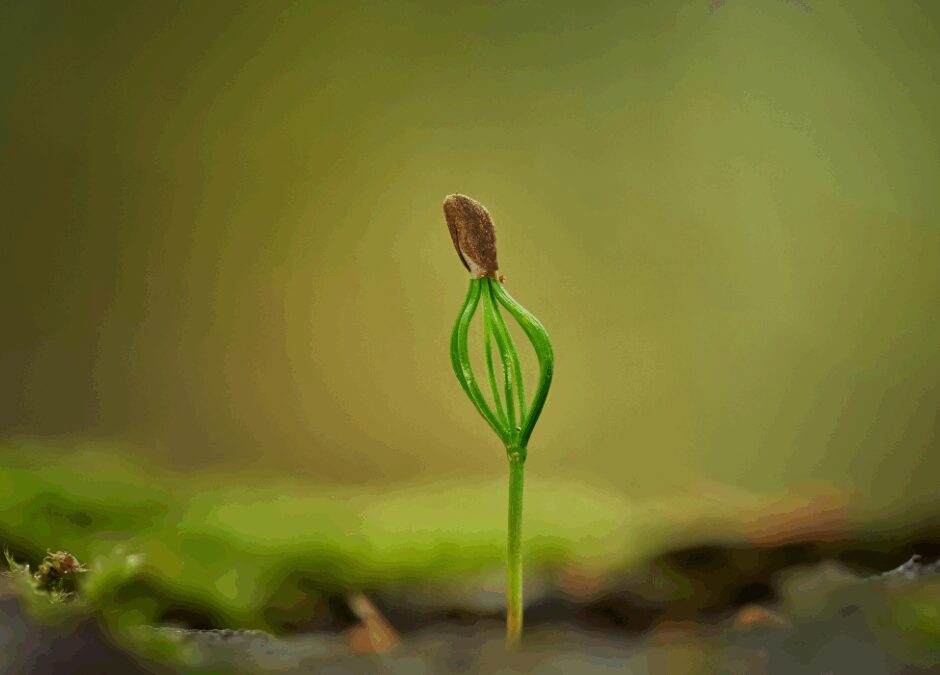
Successful seed starting depends on a few essential seed germination factors. While every plant is a little different, most seeds rely on the same three basics to sprout:
- Light
- Temperature
- Water
If even one of these factors is off, germination can be delayed—or not happen at all. Below, we’ll break down each of these core factors and then touch on a few additional conditions that can affect seed success.
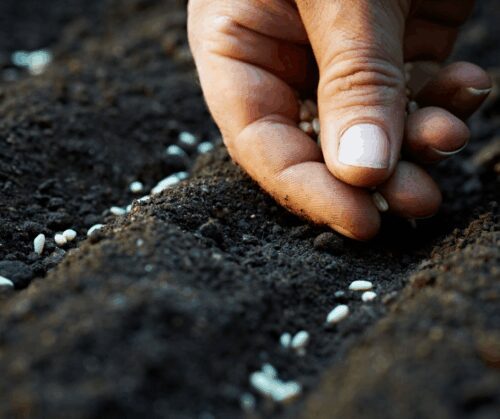
Light: A Critical Seed Germination Factor
Light plays a major role in whether or not a seed will germinate—but not all seeds want the same exposure.
- Some seeds require light to sprout
- Others must be kept in darkness
If a seed doesn’t receive the type of light it needs, germination is unlikely.
Examples:
- Lettuce seeds should be sprinkled on top of the soil and left uncovered so they receive sunlight.
- Borage seeds prefer darkness and should be planted below the soil surface. Using light shade cloth can help regulate exposure and improve results.
💡 Tip: Always research the light requirements for your specific seed variety. Most commercially packaged seeds list planting depth, spacing, and light needs directly on or inside the packet.
Temperature: Timing Matters for Seed Germination
Temperature is one of the most important seed germination factors—and one of the easiest to overlook.
- Every seed has a minimum and maximum temperature range
- Germination is most successful when temperatures stay near the middle of that range
This is why planting at the right time of year matters so much.
Many vegetable seeds are especially sensitive to heat. If temperatures are too high, seeds may fail to germinate altogether. Unless you’re working with a temperature-controlled greenhouse, it’s best to plant within natural seasonal ranges.
🌱 Local tip: The Texas A&M (TAMU) planting calendar is a great resource for knowing when to sow vegetable seeds in our area. Dates listed apply to seed planting unless otherwise noted.
Water: Essential, But Balance Is Everything
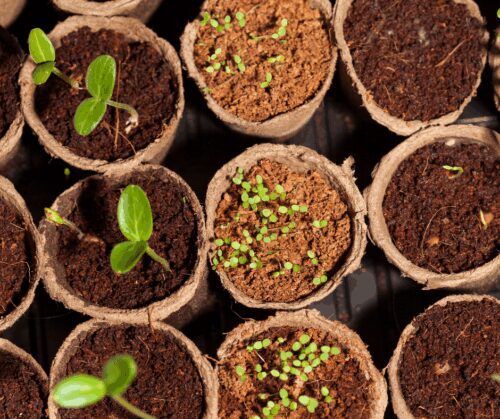
Water is involved in nearly every stage of gardening, and it’s one of the top three seed germination factors for a reason.
For successful germination:
- Soil should remain consistently moist
- Seeds should never dry out completely
- Soil should never stay soggy
Seeds that dry out after watering may experience delayed or failed germination. On the other hand, too much water—or soil with poor drainage—can lead to damping off.
What Is Damping Off?
Damping off is a common seed-starting disease where young seedlings suddenly collapse and die. It’s caused by fungal pathogens that thrive in overly wet, poorly ventilated conditions.
✔️ Use well-draining soil
✔️ Avoid overwatering
✔️ Provide airflow when starting seeds indoors
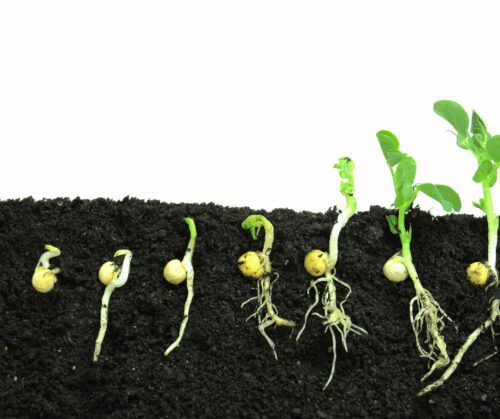
Extra Seed Germination Factors (and How to Fix Them)
While light, temperature, and water do most of the heavy lifting, a few additional factors can affect whether seeds sprout.
Seed Coat Thickness
Some seeds have thick or hard coatings that prevent water from penetrating.
Solutions:
- Soak seeds in warm or room-temperature water for 24–48 hours
- Gently nick the seed coat with a fingernail clipper
- Lightly scarify seeds by rubbing them between coarse sandpaper
These methods allow water to reach the embryo more easily.
Immature Seeds
Seeds harvested too early may not be fully developed—even if the seed pod looks dry.
Solution:
Sometimes the only fix is patience. Allow seeds more time to mature before planting. Allow a little more time for seedheads and pods to naturally dry on your plants before harvesting.
Natural Dormancy & Cold Stratification
Some seeds are biologically programmed to wait for ideal conditions before germinating. They may sit dormant for months—or even years.
(Bluebonnets are famous for this!)
If you don’t want to wait on nature, you can speed things up using cold stratification:
- Place seeds in the refrigerator for a set period of time
- This mimics winter conditions and helps break dormancy
- Especially helpful when winters are mild or shortened by warm weather
Final Takeaway
Understanding the main seed germination factors—light, temperature, and water—puts you well on your way to successful seed starting. Pair that knowledge with proper timing, drainage, and a little patience, and you’ll dramatically improve your germination rates.
Every seed has a plan—you just have to give it the right conditions to get started. 🌱
~The Happy Gardener, Lisa Mulroy


