



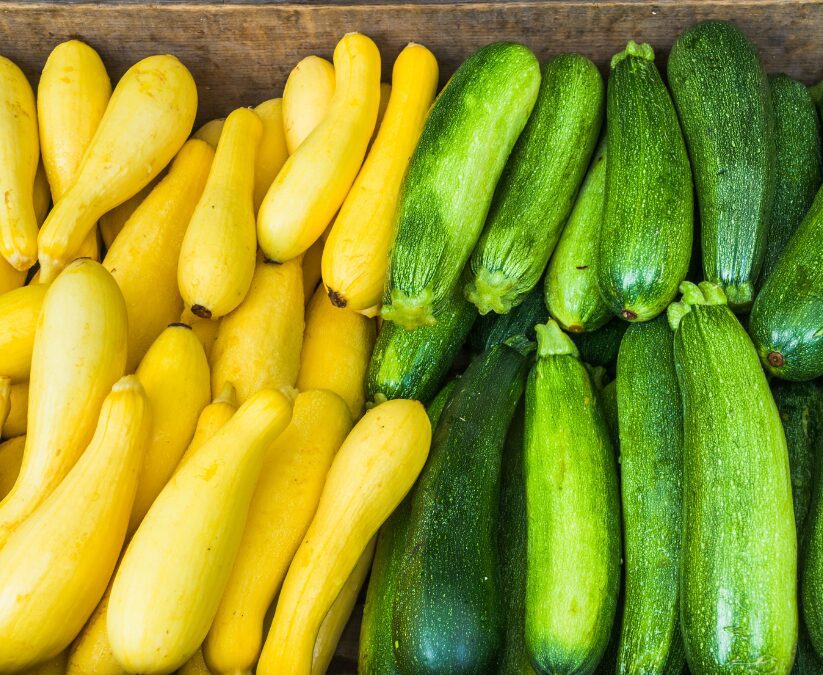
We are fortunate to be able to grow summer squash and zucchini two times a year here in San Antonio. When you get the growing conditions right, these are some of the most prolific vegetables we can grow in spring and fall. Today we explain those growing conditions and give you some insider tips so you’ll be sharing baskets of squash and zucchini before you know it.
When to Plant Squash and Zucchini in San Antonio
Because squash and zucchini are sensitive to cold and our growing seasons are relatively short here in San Antonio, planting time matters.
Spring Planting
-
Plant after all danger of frost, usually around March 15 in San Antonio.
Fall Planting
-
Plant in mid to late August so plants have enough time to mature before winter cold arrives.
-
Depending on the variety, squash can take 120–140 days to reach maturity.
Sun, Soil, and Spacing for Squash and Zucchini
Squash and zucchini need full sun and prefer loose, sandy soil that must be well-draining. Amend soil with plenty of organic material like peat, compost, and soil conditioner. These amendments improve drainage and loosen heavy soil, and help fine, loose soil retain moisture and nutrients.
If you can’t dig deep enough in native soil, raised beds or containers are great for growing squash. When planting in pots, use a high-quality potting mix that contains organic material, and make sure there are a sufficient amount of drainage holes.
Summer squash and zucchini make substantial sized plants. Space plants 24-30” apart and rows should be spaced at least 3’ apart. Vining, winter squash varieties need much more space (40” apart, with rows 6-8’ apart). But today we’re focusing on summer squash and zucchini.
Planting Squash and Zucchini: Seeds or Transplants
You can start squash and zucchini from seeds or transplants. It really doesn’t make much of a difference. The seeds germinate fast when planting at the right time of year and in the right conditions, so you don’t really get that much of a headstart by choosing transplants over seeds. It comes down to preference.
Before planting either, water the soil a few days ahead of time to create a good growing environment.
Planting Seeds
-
Form 4–5 inch soil mounds (hills).
-
Plant 3–4 seeds per hill.
-
Plant seeds 2–2.5 inches deep.
Planting Transplants
-
Do not plant transplants too deep. Squash stems can rot if buried.
-
Set plants so the top of the root ball is level with the surrounding soil.
Thinning Seedlings
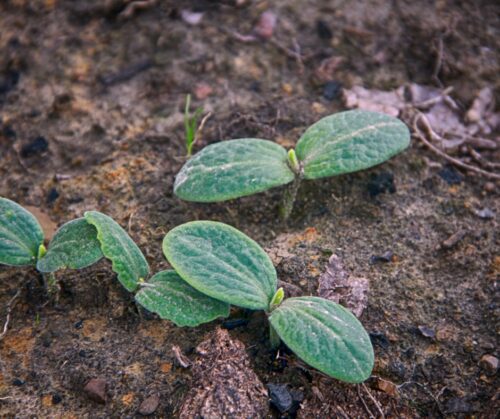
When planting by seed, we plant more seeds than we will actually allow to grow to a full, mature plant. It’s basically to hedge our bets that we will have a couple successful seeds and maybe a few that don’t germinate or grow as well. But if they all germinate successfully, you will need to select the healthiest seedlings and thin out the rest so they will not compete.
Once seedlings develop two true leaves (not the initial seed leaves which are called cotyledons):
-
Thin to one or two healthy plants per hill
-
Pinch stems at ground level rather than pulling them to avoid disturbing roots.
Watering, Mulching and Fertilizing
The best way to water squash and zucchini is with drip irrigation. However, we realize not all gardeners have this set up. Water immediately after planting and keep soil moist but not soggy. How often you water will depend on rainfall, what type of soil you have (sandy needs more water) and the size your plant is. Learn to feel the soil for moisture by sticking your finger deeply into soil. If soil sticks to your finger, skip watering. If soil flakes off, water. Make an effort to focus water around the root zone and avoid watering the foliage which can lead to fungal disease.
A 2- 3″ layer of mulch will help preserve soil moisture but wait until the weather really warms up in spring so that soil has a chance to warm up. For fall plantings, you can apply the mulch right after thinning.
When the first flowers appear, it’s time for fertilizer. Apply by side-dressing with a nitrogen-rich formula like ammonium nitrate.
- For single grown plants: apply fertilizer in a circle around the hill (about 2 Tbsp).
- For row plantings: apply fertilizer between the rows, or along the sides of plants about 14” away from the plant (about ⅔ cup per 35’ row).
Squash and Zucchini: Pollination is Key
A main component to successfully growing squash and zucchini is adequate pollination. When new to the squash-growing game, new gardeners may find themselves with a large plant with many blooms, but no sign of fruit. More often than not, this is due to lack of pollination.
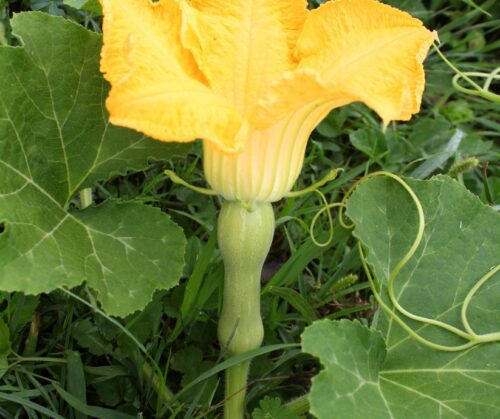
Squash and zucchini plants contain both male and female flowers. In order for squash to develop to maturity, the pollen must be transferred from the male flower to the female flower. You can distinguish between the flowers by observing the following: female flowers have a tiny, immature fruit located directly behind the flower petals, the male flowers do not have fruit.
Factors that encourage pollination:
- Interplanting pollinator-attracting plants between squash plants
- The presence of honeybees
Factors that hinder pollination:
- Use of harmful garden chemicals
- An abundance of cloudy/wet weather
Obviously, some of these things you can control (planting pollinator plants, not using chemicals that can harm bees), and some of them you can’t control (the number of bees in your area, and the weather). You may find that you have to do a little pollen-transferring yourself.
How to self-pollinate your squash and zucchini flowers
- First make sure you have both types of flowers (identify female flowers with immature fruit behind petals, and male flowers with no fruit). In early stages of flowering, you sometimes get all of one type of flower, so be patient and wait for the female flowers to develop.
- Observe your plant often for the presence of female flowers, as they only open for one day. Check often and pollinate often if needed.
- Use a fresh paintbrush and dab or swirl the pollen from inside the male flower and transfer it to the inside of the female flower.
The best time to harvest squash and zucchini is when it is young and the skin is tender. Aim to pick yellow squash when 4-6” long, and zucchini when 6-8” long. Large fruits that are left on the vine become tough and tasteless, and this also makes the plant less productive. The more you pick, the more you get.
Common Squash and Zucchini Pests
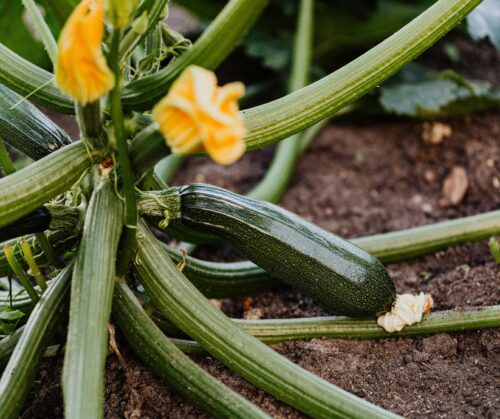
Two major pests can affect squash plants.
Squash Vine Borer
The adult moth lays eggs on squash plants. When larvae hatch, they burrow into stems and destroy the plant tissue, causing sudden wilting and plant death.
Prevention tips:
-
Wrap stems with stretchy gauze
-
Apply a preventative Sevin treatment when blooms first appear
Squash Bugs
Look for clusters of bright red eggs on leaves.
Once hatched, squash bugs suck sap from plants, weakening them.
Early detection is key—inspect plants frequently and remove eggs when spotted.
With the right timing, soil preparation, watering, and pollination support, squash and zucchini are among the most productive vegetables to grow in San Antonio gardens.
Plant them in spring and again in fall, harvest frequently, and don’t be surprised when you find yourself sharing baskets of fresh squash and zucchini with neighbors.
~The Happy Gardener, Lisa Mulroy


