



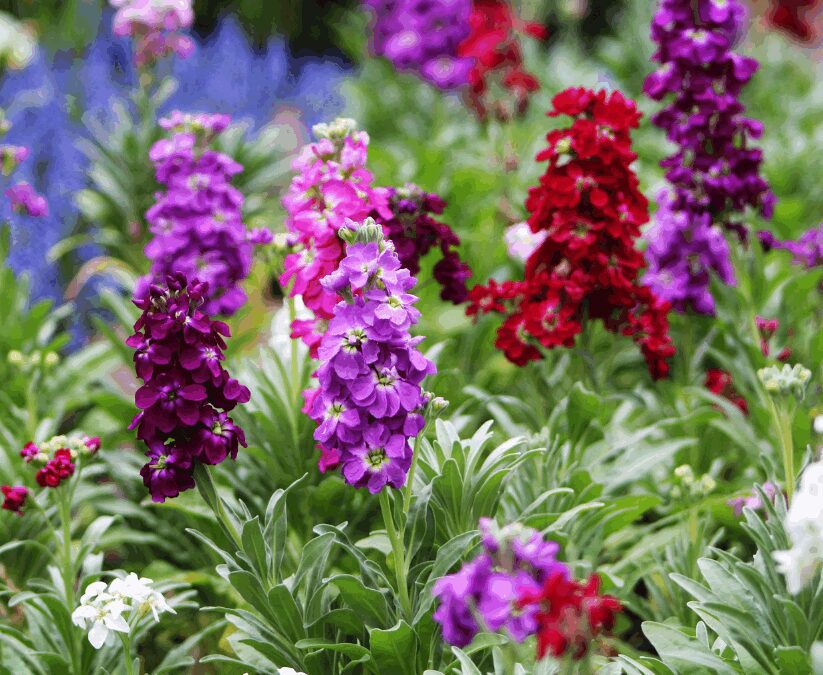
Stock flowers (Matthiola incana) are a rewarding cool-season annuals for San Antonio gardeners. Known for their delightful cinnamon-and-clove fragrance, upright stems, and full, ruffled blooms, stock offers a nostalgic charm that instantly elevates winter and early-spring plantings. Whether you’re refreshing your landscape beds or creating show-stopping containers, stock flowers are an easy, cold-tolerant choice perfect for our region.
This blog covers how to grow stock successfully in San Antonio, including planting tips, seasonal care, companion plant ideas, and how to prolong the bloom period.
What Makes Stock Flowers Special?
-
Fragrance: A warm, spicy scent reminiscent of cinnamon and cloves—a favorite for walkways, entryways, and patios.
-
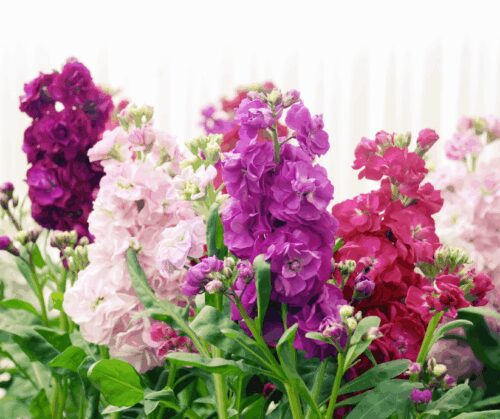
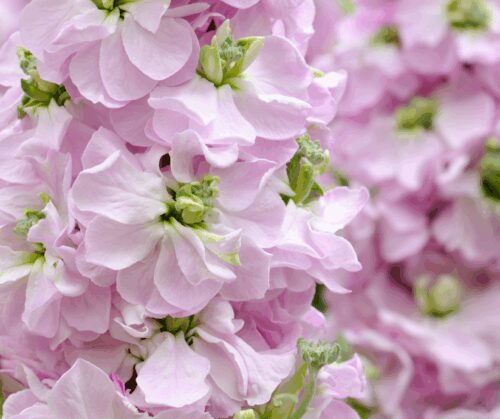
Bloom Form: Tall spikes packed with double or single flowers in colors like lavender, pink, white, peach, and deep rose.
-
Growth Habit: Upright plants (10–24 inches) with gray-green, velvety foliage.
-
Best Season: A cool-season bloomer ideal for December through April in San Antonio.
Planting Stock Flowers in San Antonio
When to Plant
-
Best time: Late October through January, once daytime highs settle below 85°F.
-
Plant early for the longest bloom window.
Where to Plant
-
Sunlight: Full sun to bright morning sun + afternoon shade for longest-lasting blooms.
-
Soil: Well-draining soil enriched with compost.
-
Spacing: 10–12 inches apart for good airflow and sturdy stems.
Cold & Heat Tolerance
Cold Tolerance
-
Stock is very cold hardy, tolerating 28–30°F without protection.
-
During extreme freezes (25°F and below), cover with frost cloth to protect blossoms.
Heat Tolerance
-
Stock dislikes heat and will fade once temperatures consistently climb above 85°F.
-
In warm springs, morning sun + afternoon shade helps extend the bloom season by several weeks.
Bloom Period & Tips for Prolonging Blooms
Stock flowers bloom best in late winter through spring, usually February–April in San Antonio.
To extend the bloom season:
-
Deadhead spent flower spikes to encourage secondary blooms.
-
Provide consistent moisture—never soggy, but don’t let them wilt.
-
Feed lightly every 3–4 weeks with a bloom-boosting fertilizer (ex: 10-30-20).
-
Plant in coolest microclimates of your yard (east or northeast exposure).
Using Stock Flowers in the Garden
In Landscape Beds
-
Plant stock in front borders, cottage-style beds, and walkway edges to enjoy their scent.
-
Pair with other cool-season bloomers for layered color.
-
Works beautifully with ornamental cabbage/kale, dianthus, violas, pansies, snapdragons, and dusty miller.
In Containers
- Stock flowers are excellent center or mid-layer plants in winter containers.
Here are some great options to include in your container arrangements:
Thrillers / Upright Plants
-
Snapdragons (tall/Rocket varieties)
-
Iceland poppies
-
Larkspur
-
Ornamental grasses (cool-season types like rye or fescue)
Fillers
Spillers
-
Creeping Jenny
-
Ivy
-
Sweet potato vine (use sparingly in winter)
-
Trailing violas
Use stock as the fragrant mid-height element between tall thrillers and cascading spillers. Mix color tones for high contrast—or stick with pastels for a soft, romantic winter look.
Stock is also a very popular cut flower with an excellent vase life.

Watering & Care Tips
-
Keep soil evenly moist during the cool season.
-
Avoid overhead watering if possible to prevent spotting on petals.
-
Mulch lightly to maintain soil temperature and moisture.
-
Pinch back very young stock plants if you want bushier growth (optional).
If you’re looking for winter color that smells incredible and thrives in San Antonio’s cool season, stock flowers are a must-grow. Plant them in beds, containers, or entryway pots, pair them with other cool-season favorites, and enjoy months of color and fragrance before spring heat arrives.
~The Happy Gardener, Lisa Mulroy


