



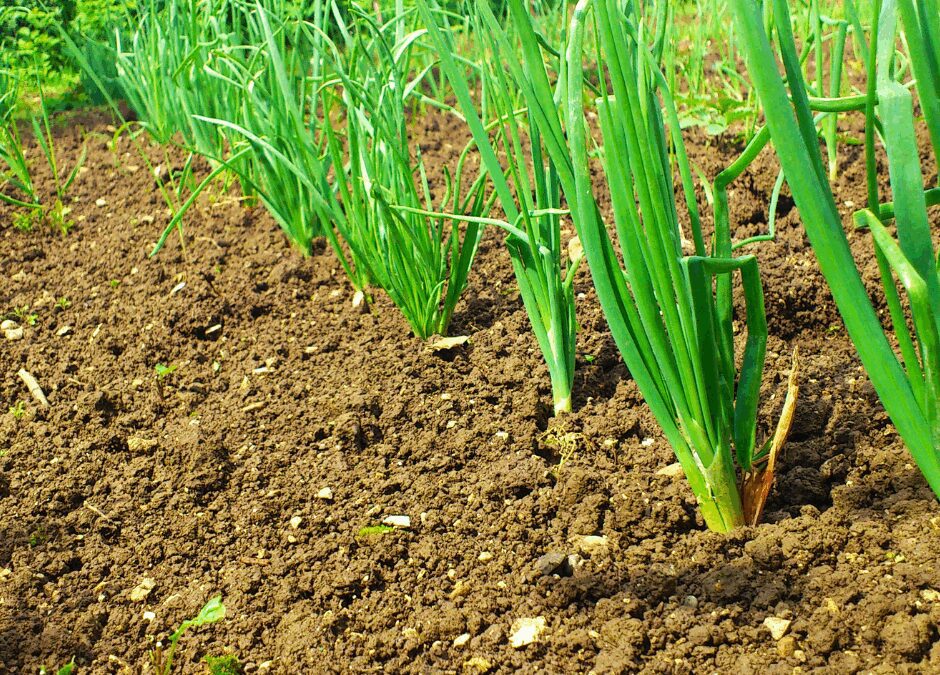
It’s time to start planting onions here in the San Antonio area and you’re in the right place for some great tips. Onions are one of the most satisfying and versatile vegetables to grow. When done right, you can enjoy crisp green onions early in the season or full-bulb onions to store and use later. In this blog we’ll cover timing, spacing, depth, soil prep, irrigation, variety selection, and specific tips for San Antonio. And yes, we’ll link you to our full printable guide and video resources for extra help.
Why Planting Onions Works Well in San Antonio
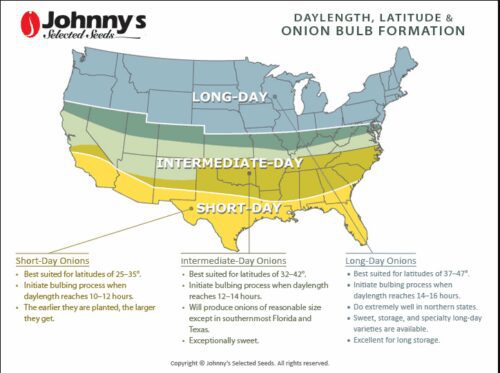
Because San Antonio’s cool winter season offers fewer extremes than summer, you have a nice window for onion production. Short-day varieties are most appropriate for our region (Southern Texas).
Select sets and transplants when planting onions because they’re faster, better timed for our mild winters, and perfectly sized to bulb under short-day conditions. Seeds take too long to mature and can’t handle the early heat. Planting seeds or long day varieties may produce thick necks and no bulbs. Who wants that?
Soil Preparation & Site Selection
-
When planting onions, make sure to choose a full-sun spot — onions need plenty of light to form good bulbs. Make sure the site is not shaded later in the season by tall plants (e.g., tomatoes, corn) that might block the sun, which can reduce size of bulbs.
-
Use soil that drains well and is loosened with compost or aged organic matter. Heavy clay or compacted soils will restrict bulb expansion.
-
Aim for a soil pH near 6.0–6.5 for best results.
-
When prepping the bed, mix in compost and some fertilizer with a higher phosphorous number for good bulb development. Bone Meal, Espoma Bulb-Tone, and Espoma Tomato-Tone are great options.
Spacing & Depth: Bulbs vs Green Onions
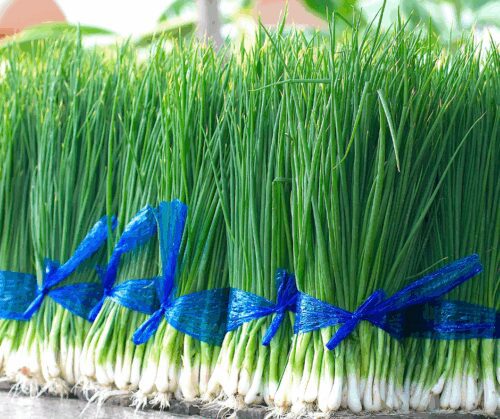
One of the important nuances for planting onions is how spacing and depth affect the end result: green onions (scallions) vs full bulb onions.
-
Full bulb onions: Plant transplants about ½″ -1″ deep, 6″ apart (in raised beds) or 4–6″ apart in good garden soil (rows spaced = 12″ apart). The part of the bulb should sit at or very near the soil surface. The neck is just above or barely covered by soil; do not plant too deep or you risk poor bulb formation.
-
For green onions (harvested young or used as scallions), you can plant closer together, 3-4″ apart, and even a bit deeper (or at least more densely) to encourage slender stalks rather than a full globe.
Keep this “spacing + depth = outcome” rule in mind when planting onions for specific results in San Antonio.
Watering, Fertilizing & Maintenance
-
Onions have shallow root systems, so consistent moisture is important but avoid letting soil become soggy as this can lead to rot or fungal issues.
-
When planting onions, drip or soaker-hose irrigation is an excellent way to water if possible. If not, keep in mind that with San Antonio’s weather variability, deep watering a few times is better than light watering every day.
-
We suggest following the fertilizing schedule that Dixondale Farms recommends. This is who we get our onions from. They suggest initial fertilization with a higher phosphorus formula placed in a trench dug 6″ from your row plantings. This is easier than it sounds. You can see a diagram in their onion planting guide here. The phosphorus encourages roots to grow deep and supports good bulb formation. For follow up fertilization in our area, ammonium sulfate is recommended every 3 weeks. This fertilizer includes a high nitrogen formula combined with sulfate that helps add acidity to our otherwise clay/limestone filled soils.
-
Because onions are relatively small and closely spaced, big weeds can easily interfere with bulb growth. Keep planting areas weed free and avoid walking on soils as this will cause compaction which will inhibit bulb growth.
-
For San Antonio gardens: monitor for bolting (flower stalk) as a sign you’ve passed optimum conditions; once tops fall over, bulb growth has essentially ended.
Planting Onions: Harvest & Storage for San Antonio
-
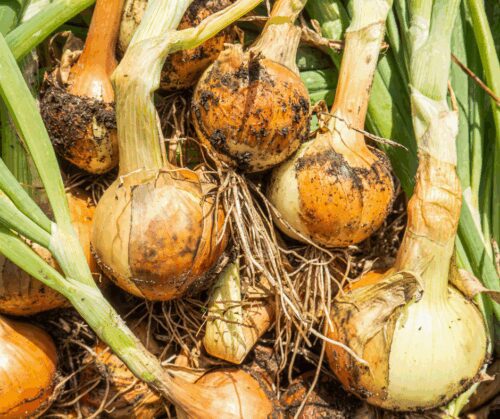
Onions are generally ready to harvest when their tops (the green stalks) flop over and start to dry. At that point, they aren’t going to grow any larger and need to be pulled up.
-
After pulling, allow the bulbs to cure (dry) in a well-ventilated, shaded space for a few days. In San Antonio’s climate this means avoiding direct sun while still ensuring airflow.
-
Store bulbs in a cool, dark, dry place. Many South Texas gardeners report using pantry or basement corners for up to several months of storage. Sweet yellow onions will often store less time than white or red varieties.
-
If you planted for green onions instead of full bulbs, harvest earlier and use them fresh; they don’t generally store as long as full bulbed types.
Special Tips for San Antonio Success
-
Because our winters are mild and our days shorten less drastically than in northern areas, select short-day onion types and avoid delaying planting too long — the transition to bulbing depends on day-length and plant size.
-
Soil temperature and moisture matter: even though the winter is mild, avoid planting immediately after heavy rain or when soil is saturated; allow the soil to dry slightly and warm a bit for best root establishment.
-
Given our occasional cold snaps, if you plant early (transplants) and a freeze is forecast, cover your bed with frost cloth overnight to protect tender tops.
Printable Guide & Video Resources
For your convenience, you can download and print the full step-by-step guide here: How To Plant Onions Guide (PDF)
Also be sure to check out these helpful videos on planting onions:
Final Thoughts
Whether you’re planting onions for crisp green stalks or for full-sized bulbs you can store and savor, the key for success in San Antonio is: good site selection (sun + drainage), correct timing, the right spacing & depth, consistent moisture, adequate fertilization, and proper variety choice. With those in place, you’ll likely find onions to be one of your most rewarding edibles. Enjoy planting onions this season — and here’s to a bountiful crop!
~The Happy Gardener, Lisa Mulroy


