



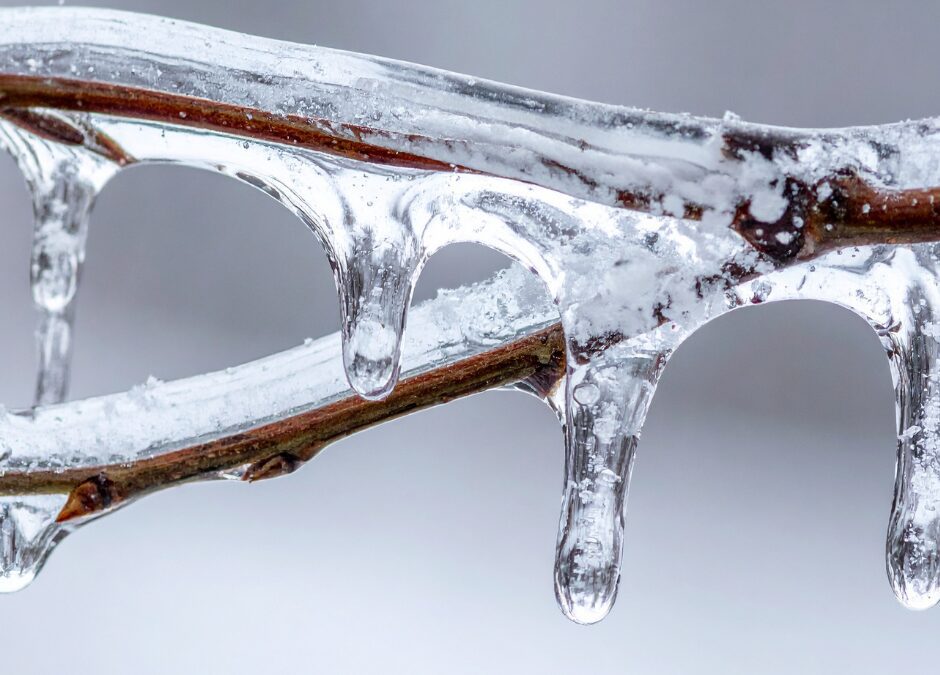
Ah yes—San Antonio winter weather. One day it’s 75°, the next day your elephant ears look like green Jell-O. After a freeze, it’s very tempting to grab the pruners and go full Edward Scissorhands. But when it comes to pruning after a freeze, timing and plant type matter more than enthusiasm.
Let’s talk about what you should prune, what you shouldn’t, and why sometimes the best pruning move is… doing nothing.
PRUNING: WHAT YOU SHOULD PRUNE AFTER A FREEZE
Herbaceous plants that turn mushy, slimy, or translucent are asking to be cut back.
Examples include, but are not limited to:
-
Elephant ears
-
Cannas
-
Basil
-
Tropical annuals
-
Soft, herbaceous perennials that collapse after cold
Why prune them?
When plant tissue turns gelatinous, it’s dead—and if you leave it, it can rot, invite disease, pesky gnats and other unwanted insects, and the smell… memorable.
How to prune:
-
Cut back to firm, healthy tissue
-
Use clean, sharp pruners
-
Remove debris from the area
Pro tip: If it squishes when you touch it, it’s done.
PRUNING: WHAT YOU SHOULD NOT PRUNE (YET)
Woody plants need a very different approach.
Hold off on pruning:
-
Shrubs
-
Roses
-
Woody perennials
-
Trees
-
Citrus (especially citrus!)
Why wait?
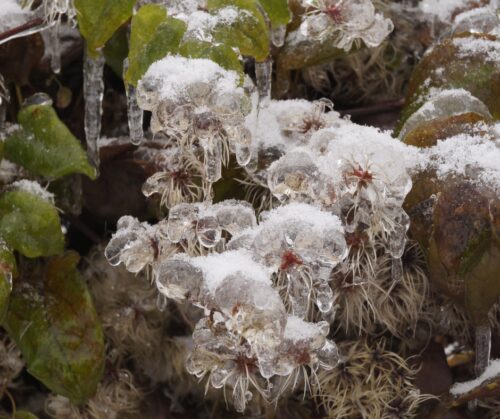
That dead-looking growth is actually acting like a natural blanket, protecting the living tissue underneath from future freezes. In San Antonio, winter isn’t finished just because we want it to be. We will most likely have another freeze before spring arrives.
Pruning too early:
-
Exposes tender growth to another freeze
-
Can cause more damage than the cold itself
-
Encourages new growth at the worst possible time
- Hard to tell the extent of the freeze damage this early
Best time to prune woody plants:
Late winter to early spring—when new growth clearly shows you what survived.
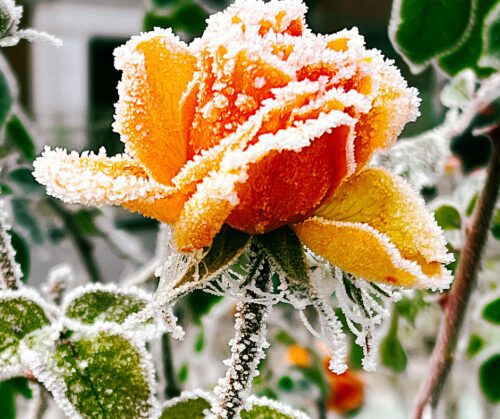
How to Prune (When It’s Actually Time)
When pruning after a freeze is appropriate:
-
Cut back to green, flexible wood
-
Avoid “shaping” until danger of frost has passed
-
Disinfect pruners between plants if disease is suspected
If you’re unsure whether something is alive, scratch the bark:
-
Green underneath = alive
-
Brown and dry = wait and see
How to Protect Plants from Future Freezes
Because in San Antonio… there’s usually another one.
-
Mulch generously around roots (2–3 inches)
-
Water the soil around plants before a freeze—hydrated plants tolerate cold better
-
Use frost cloth (not plastic touching leaves)
-
Leave woody plants unpruned until spring
-
For tropicals, consider containers you can move
When it comes to pruning after a freeze, think less “panic pruning” and more “strategic snipping.” Here’s a link to our free Winter Plant Protection guide.
-
Soft and mushy? Go ahead and prune
-
Woody and sad-looking? Step away from the pruners
-
Not sure? Wait—it’s usually the smartest move
Your plants are tougher than they look, and with a little patience, they’ll bounce back—just like San Antonio gardeners always do. But if you have some casualties (and don’t beat yourself up about it), we are always here to come find replacements, or something exciting and new.
~The Happy Gardener, Lisa Mulroy


When is the best time to prune a redbud tree?
Redbuds bloom on old wood, meaning the flower buds for the upcoming spring are formed the previous summer. This is why you should make your pruning cuts in late winter/early spring. Basically now, before new growth emerges. If you prune too late in spring or in summer, you may end up sacrificing buds for the following year.