



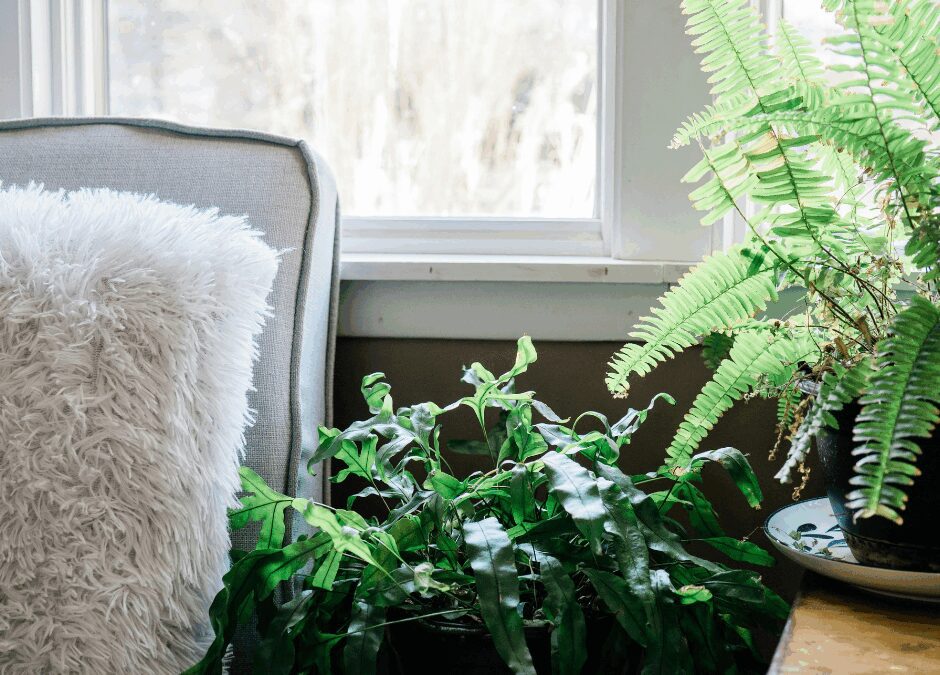
When cool nights start signaling the approach of winter, many San Antonio gardeners begin the annual ritual of bringing tender plants indoors. But before you shuffle those pots inside, there’s a crucial step that often gets overlooked: treating plants for pests before they cross your threshold. This simple step is one of the most effective strategies when it comes to winter plant protection.
Winter Plant Protection: Treating Plants Early Is So Important
Outdoor plants—even healthy ones—naturally accumulate hitchhikers. Aphids, whiteflies, mealybugs, spider mites, caterpillars, and fungal spores can all ride in unnoticed on leaves, stems, and soil. Once inside, these pests are far more difficult to manage because:
- Plants are packed closer together making it easier for pests and disease to spread.
- Lower light and drier air stress plants, making them more vulnerable.
- Indoor environments lack natural predators.
A preventative treatment outdoors is the first step for proper winter plant protection indoor. If you treat before bringing plants inside you can avoid bringing unnecessary problems into your home.

Winter Plant Protection Product Options
Using a combination of gentle but effective products can dramatically reduce pest pressure. Here’s how they help:
Neem Oil
- A natural insecticide, miticide, and fungicide.
- Helps prevent spider mites, aphids, mealybugs, and powdery mildew.
- Works best as a preventative—perfect before bringing plants inside.
- Avoid spraying in direct sunlight or when temps are 85 and above.
Spinosad Soap
- Great for soft-bodied insects like thrips, caterpillars, and leafminers.
- Offers fast knock-down without damaging foliage.
- Excellent for plants that frequently have chewing pests outdoors.
Safer End All
- A triple-action product combining insecticidal soap, pyrethrins, and neem.
- Highly effective against mites, whiteflies, and aphids.
- Ideal for plants that have had pest issues earlier in the season.
These treatments dramatically expand your winter plant protection, lowering the chance of future outbreaks in your indoor plant zones.
Winter Plant Protection: How Early to Treat Plants
Plan to treat at least 7–14 days before your frost-sensitive plants come inside. This allows:
- Enough time for a second application if needed. (folow up applications usually occur around 14 days)
- Time to observe any remaining pests
Winter Plant Protection: How to Apply Products Properly
To make sure treatments work exactly as intended:
- First and foremost, follow the directions on the label.
- Coat all leaf surfaces thoroughly—tops and especially the undersides where pests hide.
- Spray stems and branch crotches, prime hiding spots for mites and mealybugs.
- Apply early morning or in the evening when sun is weaker to prevent leaf burn.
- Allow plants to dry completely before moving them indoors.
- Consider gently rinsing plants with water 24 hours after treatment to remove dead pests and residue.
- If making a follow application indoors, make sure to open a window for some air flow during treatment.
For plants with a history of soil-dwelling pests (fungus gnats, mealybugs), you can also:
- Drench the soil surface with neem or a safe biological control like Bacillus thuringiensis israelensis (BTi).
This step isn’t always required, but it helps with peace of mind.

Common Frost-Tender Plants in San Antonio to Bring Indoors
While every garden differs, these plants most often need winter plant protection that ideally includes indoor shelter:
-
Tropical hibiscus
-
Bougainvillea (young or potted)
-
Ixora
-
Plumeria
-
Jade plants and other succulents
-
Crotons
-
Potted citrus
-
Most houseplants summering outdoors (fiddle leaf fig, pothos, monstera, alocasia)
If it has tropical foliage or can’t handle temps below the mid-40s, it’s safer indoors.
Winter Plant Protection: The Bottom Line
Treating outdoor plants before bringing them inside is one of the smartest steps you can take for successful overwintering plants. A simple round of neem oil, Spinosad soap, or Safer End All can prevent months of headaches, safeguard the rest of your houseplants, and set your collection up for a smooth transition back outdoors in spring.
By combining preventative pest treatment with thoughtful indoor placement and careful winter care, you’ll give your tender plants the best winter plant protection possible.e
~The Happy Gardener – Lisa Mulroy


