Believe it or not, right now is the perfect time to build better soil for your vegetable garden (and flower garden). Whether you’re brand new to gardening or have been growing veggies for years, one thing never changes:

👉 Healthy soil is the foundation of healthy plants.
No shortcuts. No exceptions.

You can plant the best seeds or transplants available, but if the soil underneath isn’t right, plants will struggle from day one. When you focus on soil first, everything else becomes easier—from watering and fertilizing to pest and disease resistance.

Why Building Better Soil Matters (Especially in San Antonio)

San Antonio gardeners face some unique soil challenges. Our native soil is often:

  • Rocky and limestone-heavy

  • Loaded with caliche

  • Alkaline and low in organic matter

  • Poorly draining in some areas, compacted in others

These conditions make it difficult for roots to grow deeply, access nutrients, and manage moisture properly. That’s why learning how to build better soil using soil amendments isn’t optional here—it’s essential.

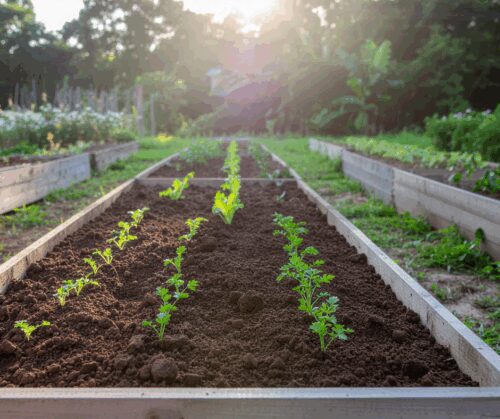
Building better soil grows healthier plants.

Build Better Soil for In-Ground Vegetable Gardens: Working With Native Soil

If you’re planting directly in ground, be prepared for a little muscle work. For a successful vegetable garden, you’ll want to loosen soil AT LEAST 8–10 inches deep if possible.

Step-by-step tips:

  • Remove grass and weeds manually (avoid chemical weed killers in veggie beds as they can leave residual effects)
  • Dig as deeply as your soil allows, this allows for full root development—rocky limestone may limit you.
  • Mix 3 inches of organic compost (or compost + soil conditioner) into the top layer of soil. We like Nature’s Creation Organic Compost or Landscaper’s Pride Mushroom Compost, and FoxFarm Happy Frog Soil Conditioner or Gardenville Living Mulch. This is where soil amendments really shine. Adding organic matter:
    • Improves drainage
    • Helps break up compacted soil
    • Feeds beneficial microbes
    • Makes nutrients more available to plants

💡 If you can dig into your soil in San Antonio without breaking your back—bravo! If not, there’s another great option to allow you to build better soil…


Raised Beds: The Easiest Way to Build Better Soil in San Antonio

When limestone and caliche make digging nearly impossible, raised garden beds are a game-changer. They allow you to bypass native soil entirely and create the perfect growing environment from the start.

Raised bed basics:

  • Minimum depth: 12–15 inches (18 inches is even better)

  • Fill with a blend of:

    • 60% quality garden soil. (ProMix Vegetable and Herb Mix, or FoxFarm Raised Bed Planting Mix are some of our faves.)

    • 40% compost and/or soil conditioner. (Same soil amendments work here too: Nature’s Creation Organic Compost or Landscaper’s Pride Mushroom Compost, and FoxFarm Happy Frog Soil Conditioner or Gardenville Living Mulch)

This mix provides excellent drainage, strong structure, and long-lasting fertility—everything vegetables need to thrive.

👉 Don’t skimp on compost. Organic matter is the backbone of healthy soil and one of the easiest ways to build better soil and offer long-term gardening success.


Combining In-Ground & Raised Beds for Better Results

You can also use a hybrid approach:

  • Dig as deep as your soil allows

  • Then build up with a raised bed to reach the full 12–15 inches of depth

Raised beds can be:

  • Store-bought kits

  • DIY with untreated wood, cinder blocks, or other creative materials
    (As long as it safely holds soil, it works!)

Build better soil by adding soil amendments in raised beds.

Soil Amendments That Help Build Better Soil

Adding the right soil amendments makes a huge difference—especially in San Antonio’s tough native soil. Here are some gardener-approved options and how they help:

🌱 Compost

Adds organic matter, improves soil structure, feeds beneficial microbes, and increases nutrient availability. 

🌱 Soil Conditioner

Great for loosening compacted soils and improving water movement—especially helpful in limestone-heavy areas.

🌱 Worm Castings

A gentle but powerful soil booster that improves nutrient uptake and encourages healthy root growth. Both Rainbow Gardens locations carry Nature’s Creation Worm Castings. 

🌱 Expanded Shale

Excellent for improving drainage and aeration in heavy, compacted, or clay-leaning soils. 

🌱 Perlite or Pumice

Perlite and pumice lighten soil, increases airflow, and prevents roots from sitting in soggy conditions.

Using a mix of these soil amendments helps transform rocky, stubborn soil into something plants actually want to grow in.

Fertilizer + Soil Amendments = A Strong Start

Before planting:

  • Mix in a slow-release fertilizer at the recommended rate. Try Nelson’s Veggie Garden Food 10-12-9.

  • This provides nutrients while compost and organic matter slowly break down.

At planting time:

  • Give transplants a dose of diluted liquid fertilizer. Any organic all purpose liquid fertilizer will suffice for this low-dose, gentle, first feeding. We like Medina Hasta Gro Plants.

  • This helps reduce transplant shock and encourages quick root establishment.
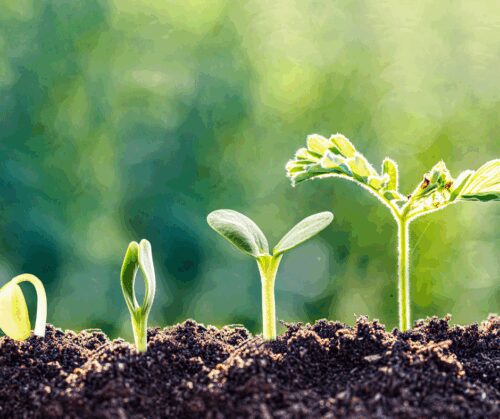
Build better soil to grow healthier plants

Why Prepping Soil Early Makes a Big Difference

Preparing garden beds weeks before planting allows:

  • Organic matter to begin breaking down

  • Soil microbes to become active

  • Nutrients to stabilize and become plant-available

  • Drainage issues to reveal themselves early

This timing is especially important in San Antonio, where temperature swings and rainfall can be unpredictable.


Ready to Build Better Soil?

Put on your gardening gloves, grab a shovel, and start turning that rocky San Antonio soil into a productive vegetable garden—or come take a look at some of the raised bed systems available at Rainbow Gardens. But you need to start now; the spring gardening season starts early in San Antonio.

When you build better soil from the start, you’re setting yourself up for:

  • Stronger plants

  • Better harvests

  • Less frustration all season long

Healthy soil isn’t optional—it’s the foundation. 🌱

~The Happy Gardener, Lisa Mulroy

Â