



Summer Garden Tips & Guides
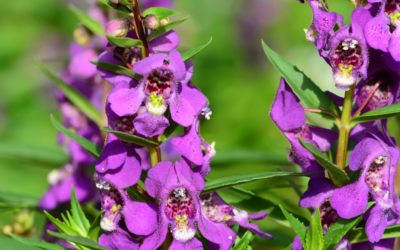
Angelonia: A “Summer Snapdragon,” for San Antonio, Texas
If you're looking to add a splash of color with to your garden or container displays, consider growing Angelonia, affectionately known as the “summer snapdragon.” Here’s what you need to know to cultivate these delightful flowers in San Antonio. Basic Growing...

Tropical Dipladenia in San Antonio, Texas: A Pollinator’s Delight
Are you ready to add a splash of vibrant color to your garden? Look no further than Dipladenia, a stunning plant that thrives in the sunny landscape of San Antonio, Texas! Most gardeners are more familiar with Mandevilla, a vining plant with tropical flowers...

Orange Cestrum: A Vibrant Addition to Your San Antonio Garden
If you're looking to add a splash of color and a touch of tropical allure to your San Antonio garden, look no further than the Orange Cestrum (Cestrum aurantiacum). This captivating plant not only brightens up your outdoor space but also attracts pollinators, making...

Crape Myrtles: 5 Tips for Selecting in Summer for Fall Planting
Most of us notice that crape myrtles burst into blooms during the summertime here in San Antonio. It's no wonder that these gorgeous specimens are the official state shrub of Texas (yes, they can be trees too). Clusters of cotton-candy pink, vibrant-fuchsia, rosy-red,...

Tips for Planting Pumpkins in San Antonio
While we're not quite trying to push pumpkin spice your way, here at Rainbow Gardens, we ARE reminding you that if you want pumpkins this year, summer is the time to to plant them. If you want a harvest by the end of October and into November, you should probably get...
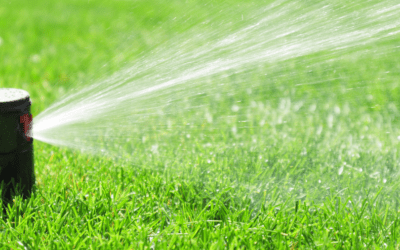
Watering in Summer in San Antonio. Yes, Another Article!
During San Antonio summers, dry, hot winds and long periods of time without rain will have you needing to water more often than normal. In general, you might find you need to water your gardens around 3 times a week. With city water restrictions in place, this means...
Planting Calendar by Month
The planting dates on this calendar range from the earliest (in the spring, you might need to protect from late frosts) to the latest (in the fall, you might need to protect from early frosts). You will probably get the best results by planting in the middle of the range. And remember to keep an eye on the weather forecast!
Planting Calendar by Month
The planting dates on this calendar range from the earliest (in the spring, you might need to protect from late frosts) to the latest (in the fall, you might need to protect from early frosts). You will probably get the best results by planting in the middle of the range. And remember to keep an eye on the weather forecast!
Things to plant starting in Jan.:
- Peas, shelling, sugar snap & snow: Jan. 1–Feb. 15
- Cauliflower transplants: Jan. 1–Mar. 15
- Broccoli transplants: Jan. 15–Mar. 15
- Cabbage transplants – Jan. 15–Mar. 15
- Collards – Jan. 15–Mar. 25
- Turnip – Jan. 15–May 1
- Radish: Jan. 20–May 1
Things to plant starting in Feb.:
- Beets: Feb. 1–Apr. 20
- Carrots – Feb. 1–Mar. 1
- Kale – Feb. 1–Apr. 1
- Kohlrabi – Feb. 1–Apr. 1
- Leeks – Feb. 1–May 1
- Leaf lettuce – Feb. 1–Apr. 1
- Mustard – Feb. 1–Apr. 1
- Potato, Irish – Feb. 1–Mar. 15
- Swiss chard – Feb. 1–Apr. 15
- Chinese cabbage – Feb. 1–Mar. 15
- Tomato transplants – Feb. 15–Apr. 1
- Corn: Feb. 25–June 15
Things to plant starting in Mar.:
- Cucumber: Mar. 1–Apr. 15
- Pepper transplants: Mar. 1–May 1
- Squash, winter and summer: Mar. 1–May 15
- Watermelon – Mar. 1–May 1
- Beans, bush: Mar. 5–May 5
- Beans, lima: Mar. 5–Apr. 20
- Beans, pole or pinto: Mar. 15–May 1
- Cantaloupe: Mar. 15–May 1
- Eggplant transplants: Mar. 15–May 10
- Southern Peas: Mar. 20–Jul. 10
- Sweet Potato, slips: Mar. 20–May 31
Things to plant starting in Apr.:
- Okra: Apr. 1–Jul. 1
Things to plant starting in Jul.:
- Cantaloupe: Jul. 1–Aug. 15
- Eggplant transplants: Jul. 1–Sept. 1
- Okra: Jul. 1–Aug. 15
- Watermelon: Jul. 1–Jul. 31
- Southern Peas: Jul. 10–Sept. 1
- Squash, winter: Jul. 10–Aug. 15
- Pepper transplants: Jul. 15–Sept. 1
- Tomato transplants: Jul. 15–Sept. 1
- Rutabaga: Jul. 15–Dec. 15
- Beans, lima: Jul. 25–Aug. 20
Things to plant starting in Aug.:
- Beans, bush or pole – Aug. 1–Sept. 5
- Cabbage transplants: Aug. 1–Dec. 1
- Cucumber: Aug. 1–Sept. 15
- Garlic: Aug. 1–Sept. 30
- Squash, summer: Aug. 1–Sept. 10
- Corn: Aug. 13–Aug. 23rd
- Kale: Aug. 15–Dec. 15
- Kohlrabi – Aug. 15–Dec. 15
- Radish – Aug. 15–Dec. 15
- Swiss chard – Aug. 15–Dec. 15
- Turnip – Aug. 15–Dec. 15
- Potato, Irish: Aug. 20–Sept. 10
- Broccoli transplants: Aug. 20–Dec. 1
- Brussels sprouts – Aug. 20–Dec. 1
- Chinese cabbage – Aug. 20–Dec. 15
- Carrots – Aug. 20–Dec. 1
- Cauliflower transplants – Aug. 20–Dec. 1
- Collards – Aug. 20–Dec. 1
- Leaf lettuce – Aug. 20–Dec. 15
- Mustard – Aug. 20–Dec. 15
Things to plant starting in Sept.:
- Beets: Sept. 1–Nov. 15
- Celery transplants: Sept. 1–Dec. 15
- Head lettuce – Sept. 1–Dec. 15
- Spinach: Sept. 1–Mar. 1
- Strawberries transplants: Sept. 1–Oct. 15
Things to plant starting in Oct.:
- Onion seed: Oct. 1–31
Things to plant Starting in Nov.:
- Asparagus crowns: Nov. 15–Mar. 15
- Artichoke transplants – Nov. 15–Mar. 15
- Onion transplants: Nov. 15–Mar. 1st


