



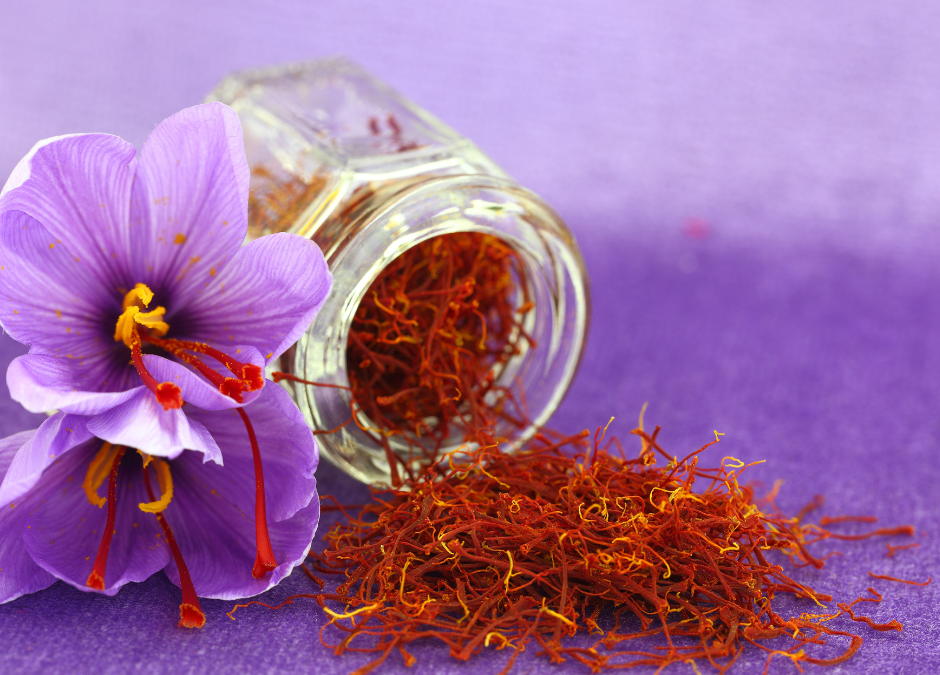
Saffron may be one of the world’s most expensive spices, but you can grow it right here in San Antonio. Produced from the brilliant crimson stigmas of the Saffron Crocus (Crocus sativus), this unique fall-blooming bulb (technically called a corm) rewards gardeners with beautiful lavender flowers and a harvest worth far more than its size suggests.
Unlike spring-flowering bulbs, saffron follows a completely different schedule. It is planted in late summer or early fall, blooms in autumn, grows through the winter, and goes dormant once the weather heats up in late spring. This unusual life cycle actually makes it an excellent choice for our Texas climate when grown in well-drained soil. You don’t have to worry about the heat of summer! The bulb stays underground while dormant.
Saffron Crocus: Growing Requirements
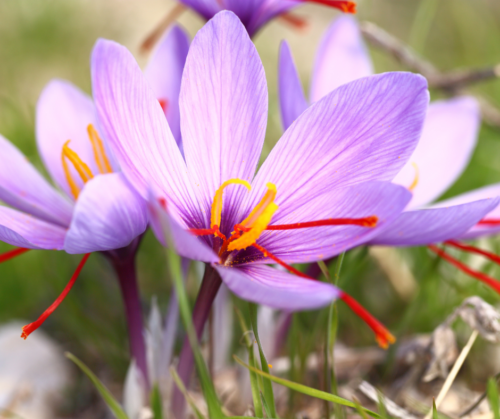
Saffron crocus is a small, clump-forming perennial that slowly multiplies over time as each corm produces new daughter corms. Each corm is only 4-6″ T x 4-8″ W. Mid to late fall, Lavender-purple flowers open for just a few days but contain the three deep orange-red stigmas with bright yellow stamens that become the saffron spice once harvested and dried. As the planting matures over several seasons, you’ll enjoy increasing numbers of flowers and larger harvests. They are well worth the wait. Saffron crocus can be grown successfully in USDA zones 6-9.
Sunlight
Saffron performs best with:
- Full sun (6–8+ hours daily)
- Light afternoon shade is acceptable during extreme Texas heat
Because saffron blooms in late fall, it’s best to avoid planting beneath dense trees or shrubs as the sun shifts in winter and sunlight can be limited in these areas.
Soil
Excellent drainage is the single most important factor for success. Standing water is the fastest way to lose saffron corms. Ideal soil includes:
- Sandy or gravelly loam
- Raised beds with loose soil
- Rock gardens
- Containers with plenty of drainage holes
If you have heavy San Antonio clay:
- Amend generously with expanded shale
- Add coarse compost
- Incorporate decomposed granite or coarse sand
Water
- A deep watering should be applied right after planting. Then…
- Saffron prefers to stay relatively dry.
- Amending the soil as mentioned above can help make sure water doesn’t sit around the roots.
- When watering, water thoroughly and deeply, then allow soil to dry in between watering. Usually this means watering around every 7-14 days if you haven’t had any rain.
Summer Dormancy
This is where many gardeners make mistakes. We are used to making sure our plants don’t dry up from lack of water over summer. With saffron, you don’t have to worry about that. You have to make sure you are not overwatering. Excess summer irrigation often causes rot. Once foliage naturally yellows and dies back:
- Stop watering almost completely.
- Keep corms dry during dormancy.
Temperature
Saffron thrives in:
- Cool fall weather
- Mild Texas winters
- Dry summers
When planted at the right time (late summer), it can also tolerate winter freezes surprisingly well once established.
Planting Instructions
Plant
- 4 inches deep
- 4–6 inches apart
- Pointed end facing upward (we also call this planting “noses up”)
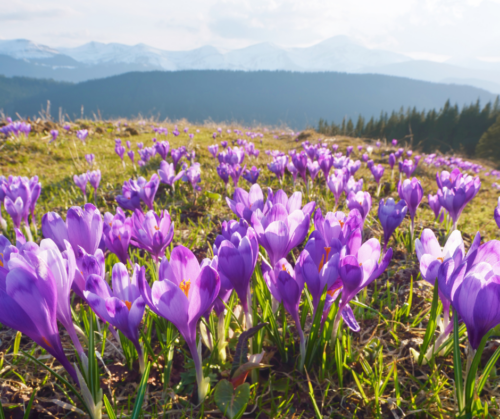
Just like when planting irises and other bulbs, planting in groups creates a much nicer floral display than single corms.
You can also grow saffron in containers. This makes it easy to move the plants around to get the right light exposure too. Use a quality potting mix like FoxFarm Happy Frog or ProMix Vegetables and Herbs to ensure you have a soil that drains well. holes in your containers are a MUST. Containers can also make it much easier to keep corms dry during summer dormancy.
- Pots should be at least 8-10″ deep
- Plant corms 4″ deep in containers
Fertilizing
Saffron doesn’t require heavy feeding.
Apply:
- Compost before planting
- A light application of an organic bulb fertilizer, like Espoma Bulb-Tone, or a balanced slow-release fertilizer as new foliage emerges in fall
Avoid excessive nitrogen, which encourages leaves at the expense of flowers.
Harvesting Saffron
Harvest flowers early in the morning the day they open.
Using tweezers or clean fingers:
- Remove the three crimson stigmas.
- Dry them in a warm, airy location for several days.
- Store in an airtight container away from light.
If you can wait a little while to use your saffron, the flavor actually improves after several weeks of storage.
How to Use Saffron
So now you’ve grown your saffron, but what do you actually do with it besides bragging that you grew it? Here are a few ideas and uses:
- In the Kitchen:
- Paella
- Risotto
- Persian rice dishes
- Biryani
- Bouillabaisse
- Seafood dishes
- Homemade pasta
- Cream sauces
- Soups and stews
- Saffron bread
- Cakes and cookies
- Ice cream
- Custards
- Rice pudding
- Herbal teas
A little saffron goes a remarkably long way. Just a few threads can add beautiful color, aroma, and flavor to a dish. It has an earthy and floral flavor and gives dishes a rich golden color. Special Tip: For best results when using saffron for cooking, soak the threads in warm water, broth, or milk for 15–30 minutes before adding them to recipes. This releases both the flavor and the vibrant golden color.
- Natural Food Coloring
- Saffron has been used for centuries as a natural coloring agent for rice, breads, cheeses, and desserts, imparting a rich golden hue without artificial dyes.
- Floral Arrangements
- Although the blooms are short-lived, their delicate lavender petals and vivid crimson stigmas make them a charming addition to small seasonal floral displays.
- Gift Giving
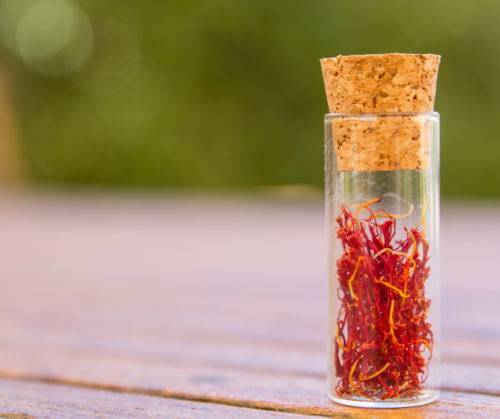
- Homegrown saffron is a thoughtful and unique gift. Package dried threads in small glass jars with recipe cards for a homemade present that gardeners and food lovers alike will appreciate.
- Saving for Future Harvests
- Store dried saffron in an airtight glass container away from light and moisture. Properly stored, it can maintain excellent flavor and aroma for two to three years.
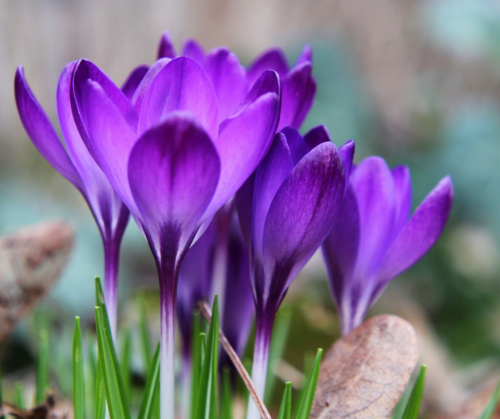
Growing saffron is a unique and rewarding gardening adventure. It requires very little space, tolerates San Antonio’s mild winters, can pretty much be ignored during our hottest months, and produces one of the world’s most treasured culinary spices. As your corms multiply year after year, you’ll enjoy an increasingly beautiful autumn display and the satisfaction of harvesting your own homegrown saffron for countless recipes. Try something fun and new!
~The Happy Gardener, Lisa Mulroy


Does rainbow gardens carry the bulbs
Yes! Both locations as of today’s date, 8/7/26 have them currently in stock.