




Cool-weather-loving cabbage is a favorite among vegetable gardeners as fall temperatures (or early spring) begin to arrive. Did you know that many scientists believe that most other cruciferous vegetables—such as broccoli, cauliflower, turnips, and Brussels sprouts—are all descendants of cabbage? That’s quite a fun fact to share! Since cabbage is the OG of cruciferous vegetable, let’s dive into all things cabbage today.
As mentioned earlier, cabbage thrives in cooler weather. It’s crucial to plant at the right time so that heads mature when temperatures range between 60°- 65°F. This temperature range is ideal for achieving the best yields and quality at harvest. Determine the “days-to-maturity” for your chosen variety and calculate how many weeks in advance you need to plant to ensure you can harvest your cabbage when the temperatures are in the 60s.
Packed with vitamins A and C, as well as various minerals, this nutritious vegetable can flourish in a variety of soil types, although it favors a fertile, heavier mix that retains moisture. However, be careful not to confuse this with soil that doesn’t drain well—prolonged standing water can harm your crops.
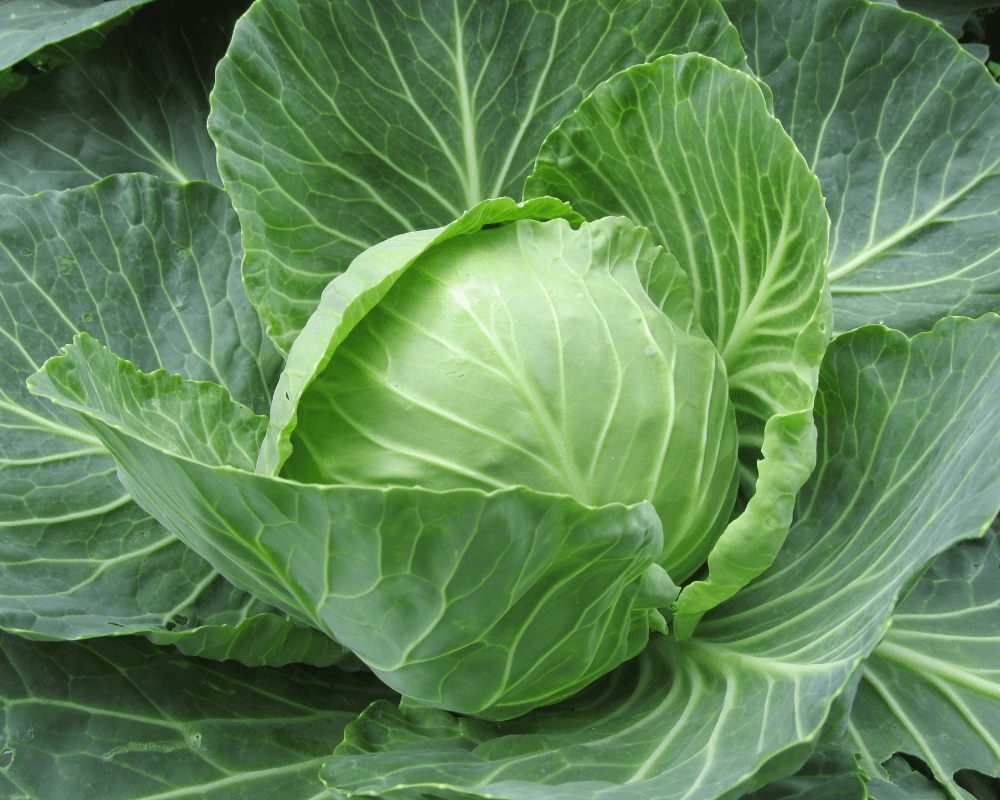
Preparing Your Garden and Planting Cabbage
When planting in the fall, incorporate 2-3 inches of quality compost into your garden beds, along with an all-nitrogen fertilizer (21-0-0), mixing everything well before planting. If you’re planting in early spring, choose a fertilizer with a 1-2-1 ratio. Follow the application instructions based on your garden size and the guidelines on the bag; typically, you’ll want to apply about 1 pound per 100 square feet.
Pre-irrigate your garden plots a few days prior to planting to ensure the cabbage has the moisture needed to thrive. On a cloudy, calm day, plant transplants deeply into the soil (just below the first set of leaves). Give the plantings a diluted dose of water-soluble fertilizer and water them immediately.
Be vigilant for any significant temperature changes; as we know, fall weather in San Antonio can be unpredictable. One day it’s perfect, and the next you might be sweating before your coffee. Be prepared to protect young cabbage transplants from drying out due to wind, drought, or extreme temperatures, as they may not recover. Use appropriate plant protection during both early fall and spring.

Maintenance Tips for Growing Cabbage
Consider natural rainfall and ensure you consistently water your cabbage transplants to keep them moist (but not soggy). To check for moisture, insert your finger 2 inches into the soil; if it feels dry, water to a depth of 6 inches. Depending on fall rainfall, you may need to water up to twice a week (more frequently if temperatures are still warm).
Keep an eye out for cabbage loopers, as they will be watching your cabbage too. These pests can hide under the leaves and in the crevices of cabbage, blending in at first, but their damage will soon become apparent. Chew holes in the leaves can quickly lead to skeletonized foliage. Use Bt (Bacillus thuringiensis) to address the issue, ensuring to spray the entire plant.
Fungal issues may arise, especially during cool, cloudy, or rainy weather. Water the base of the plant rather than the foliage, and treat with a copper fungicide. The sooner you treat the issue, the better the results.
I hope you’ll consider growing cabbage this fall. It adds texture and crunch to salads, develops a sweet flavor when roasted, and makes a wonderful addition to soups and stews. Homegrown cabbage far surpasses anything from the grocery store. And just for fun, if you’ve never heard the song “Cabbage Head” by Ruth Brown, you’re missing out! Here it is, and you’re welcome!
~The Happy Gardener, Lisa Mulroy


