



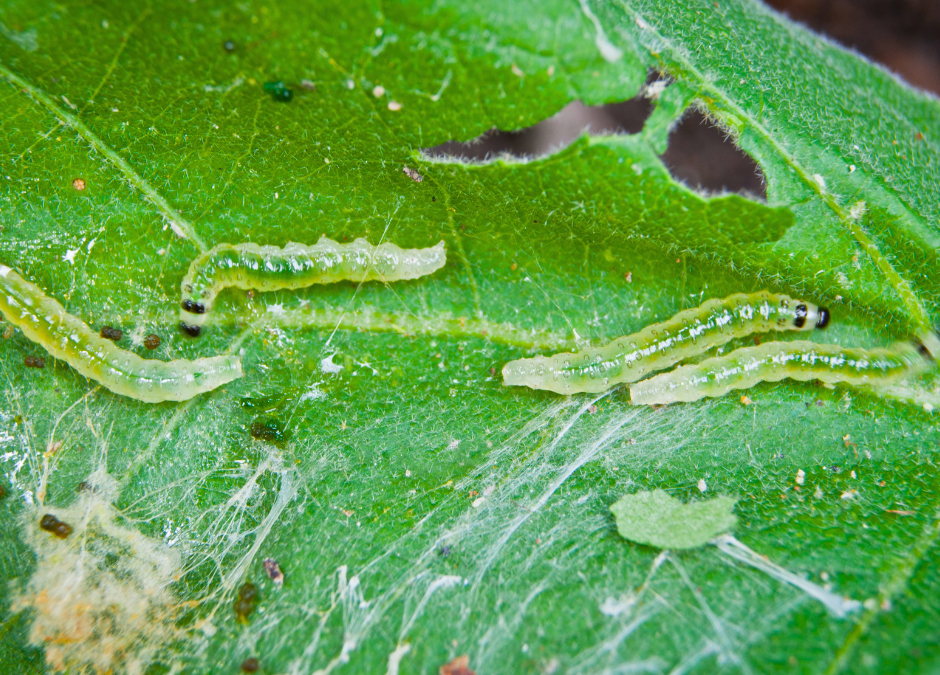
We recently included a survey in our newsletter and asked you about your summer gardening struggles. We had a great response and are working this week to answer all who participated individually, but a couple of struggles were so prominent that I thought I’d address a few in some blogs. Summer pests were a big topic as we expected them to be. Most inquiries were about pests in general, so I thought a quick review of ways to identify pests may be of use this week. During summer, when we have been battling extreme temperatures and when water can be scarce (or too abundant, in the case of flooding), plants get stressed. Sometimes plants get stressed to the max! This is the favorite time for pests to attack. With so many pest “options”, it can feel overwhelming when trying to identify what you have and what to do about it. Today, I’m trying to walk you through that process to make it a little easier. Here are 10 things you can do:
Garden Pests: 10 Identification Questions
1. Look closely at the type of damage.
Ask yourself: What exactly is happening to the plant?
- Holes or missing chunks → likely chewing pests
- Skeletonized leaves → often caterpillars or other chewers
- Tiny “shotgun” holes → flea beetles
- Tunnels or squiggly trails → leaf miners
- Yellow, curled or distorted leaves → possible sucking pests
- Speckled, dusty or bronzed foliage → possible spider mites or lace bugs
2. Turn the leaves over!
Always inspect the undersides of leaves; this is one of the favorite spots pests love to hide and lay their eggs. Guess what? This is a favorite spot for beneficial insects to lay their eggs as well. Again, this is why learning about garden pests and beneficial insects are so important. Those beneficial eggs may be waiting to hatch so they can eat up harmful garden pests. If you automatically spray, they get wiped out too.
3. Look for evidence the pest left behind.
You don’t always have to find the insect itself. Look for:
- Frass: small black caterpillar droppings
- Honeydew: sticky residue from sucking insects such as aphids
- Sooty mold: black coating that can develop where honeydew accumulates
- Webbing: possible spider mites
- Eggs or egg clusters
- Black spots/droppings on leaf undersides: possible lace bugs
4. Determine whether the pest CHEWS or SUCKS.
This is one of the easiest ways to narrow the possibilities.
- Chewing pests physically remove plant tissue—caterpillars, grasshoppers, flea beetles, slugs and snails are examples.
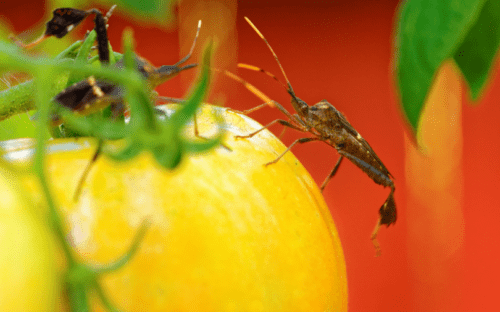
- Sucking/piercing pests remove plant juices—aphids, thrips, leaf-footed bugs, spider mites and similar pests can cause discoloration, distortion or weakening rather than obvious bite marks.
5. Identify what plant is being attacked.
Knowing the plant can dramatically narrow down the suspect list because many pests have favorite host plants. For example, spider mites commonly attack tomatoes, junipers, marigolds and other stressed plants, while thrips are commonly found feeding within flowers and tight buds.
6. Consider the time of year and weather.
Ask: When did the problem start? What’s the weather been like? Pest populations change throughout the year, and knowing which pests are prevalent during a particular season can make identification much easier. Summer is pretty brutal for pests. Plants are subjected to extreme heat and often “feast or famine” conditions when it comes to rain. All of these factors combined can really stress out a plant and that is primetime for pests to move in for the kill.
7. Check at different times of day.
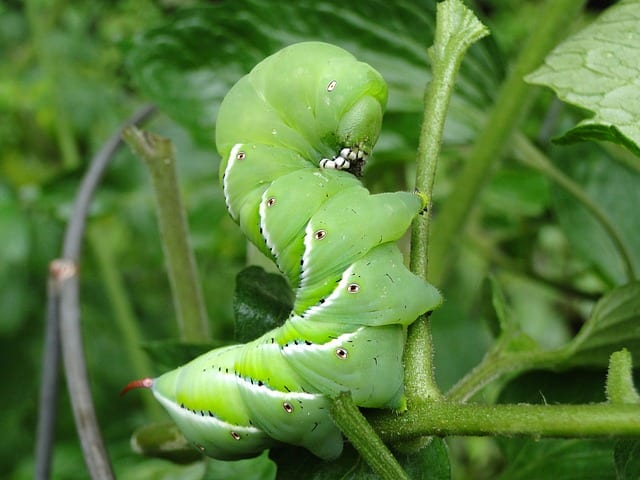
Can’t find anything during the day? Check again at night or early morning. Some chewing pests hide during daylight hours and come out to feed after dark. Tomato hornworms are a prime example. They love to hide under leaves during the day and come out chomping once the sun goes down. Hint: You can get a cheap UV/Blacklight flashlight and check for tomato hornworms at night as they glow under this light. Easy to see and easy to pluck off.
8. Try the white-paper test for tiny pests.
Suspect spider mites? Hold a white sheet of paper underneath the foliage and shake or thump the plant. Tiny moving red/brown specks against the white paper can help confirm spider mites.
9. Make sure it’s actually a pest problem.
Yellowing, wilting, spotting or leaf drop doesn’t automatically mean insects. Ask about:
- Watering
- Sun exposure
- Drainage
- Fertilizing
- Recent weather
- When symptoms began
- Whether the plant was recently planted or transplanted
Environmental stress, disease and improper care can sometimes look like insect damage.
10. If pests cannot be identified, bring pictures AND a sample to Rainbow Gardens. Take CLEAR photos of:
- a close-up of the damage
- affected leaves/stems
- a wider photo showing the entire plant
- and surrounding area.
- bring an affected leaf, stem or insect to Rainbow Gardens sealed securely in a clear plastic zip bag to prevent insects or disease from spreading in the store.
Hopefully you can now that when a customer says, “Something is eating my plant!”, we really need as much information about your plant and its surroundings that we can gather before recommending a treatment. Correct identification matters because different pests require different controls and the last thing we want you to do is apply a “wipe-out” spray because sometimes what you think is a pest may be a beneficial insect. This is why we tend to ask a lot of questions before answering and why we don’t just have a one and done miracle answer. The goal is that you will soon be identifying pests in your garden before they take over. Remember…diligent observation is always the most important step to identifying pests and controlling them.
These tips are a compilation taken from our MANY blogs and guides concerning pests. Now that you have an idea of what to look for when trying to identify pests, we have a general control guide for the Top 20 Garden Pests and Their Control. When you can catch a pest issue in its early phase, you can often combat it with the least toxic control (even a blast of water can work wonders). But when the pests have time to multiply and take over, oftentimes, controls are not as effective. Best of luck, and remember, cooler weather WILL arrive, and with it, less pest issues in the garden.
~The Happy Gardener, Lisa Mulroy


