




When most people think of insects in the garden, they picture chewed leaves, swarming pests, and plants under attack. But the truth is, not all bugs are bad. In fact, some insects are essential partners in creating a healthier, more productive landscape, especially here in San Antonio, where pollinator activity can thrive almost year-round.
Beneficial insects help control damaging pests, naturally, while also boosting pollination for flowers, vegetables, herbs, and fruit trees. Welcome these hardworking helpers into your landscape and you can reduce the need for harsh chemicals and create a more balanced garden ecosystem. Here in San Antonio, May is the month that pest activity starts to ramp up, so take a minute to read up on the benefits of beneficial insects. Make this the year you learn how to identify benefical insects and their eggs and larvae so you will be more likely to avoid “wipe-out” pest control products.
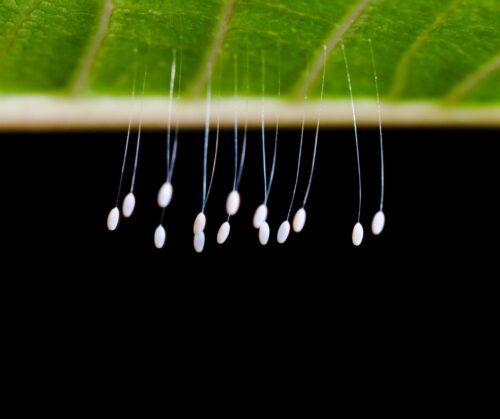
Beneficial insects: green lacewing eggs. These should make you happy to see!
Attracting Beneficial Insects to San Antonio Gardens
One of the best ways to attract beneficial insects is by planting a diverse mix of flowering plants that provide nectar, pollen, and shelter throughout the seasons. Native Texas plants, herbs like dill and fennel, salvias, milkweed, zinnias, and sunflowers are all excellent choices for supporting pollinators and predatory insects alike.
| Beneficial Insect | What They Target | How to Attract Them |
|---|---|---|
| Green Lacewing | Aphids, whiteflies, mealybugs, spider mites | Plant dill, fennel, yarrow, and coreopsis |
| Ladybug | Aphids, scale, mites | Grow pollen-rich flowers and avoid pesticides |
| Praying Mantis | Caterpillars, beetles, grasshoppers | Provide shrubs, tall grasses, and dense plantings |
| Beneficial Nematode | Grubs, flea larvae, soil pests | Keep soil moist and rich in organic matter |
| Predatory Wasp | Caterpillars, hornworms, garden pests | Plant tiny-flowered herbs like parsley and cilantro |
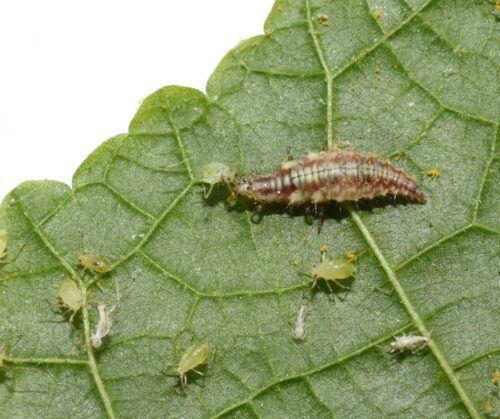
Beneficial insects: ladybug larvae devouring aphids
Skip the Spray Whenever Possible
So, back to those pest control sprays. One of the fastest ways to wipe out beneficial insect populations is through broad-spectrum pesticides, which we dub, “wipe-out sprays”. Most chemical sprays don’t distinguish between harmful pests and the insects you actually want in your garden. So, when you spray to treat the tomato hornworm, you may inadvertently kill off a butterfly caterpillar too. Beneficial insects can munch a good number of pests and when you combine them with the following natural methods for pest control along with diligent observation in the garden, you may be able to kick those chemical pesticides to the curb.
Try these tried-and-true methods:
- Spray aphids and other pests off plants with a strong blast of water
- Handpick large pests like caterpillars or hornworms (drop into a bow of soapy water)
- Use insecticidal soap only on heavily affected plants
- Plant nectar-rich flowers to keep beneficial insects nearby year-round
- Encourage birds and lizards that naturally feed on pests
- Add compost and mulch to –
- create a natural barrier against soil-dwelling pests
- improve plant health and resilience
Timing matters too. If you do find yourself in dire straits and you need to treat a pest problem with a stronger product, avoid spraying during the daytime when pollinators are most active, and never spray open blooms (Spraying during sunny, afternoon hours also comes with the risk of a chemical burn to your plants.)
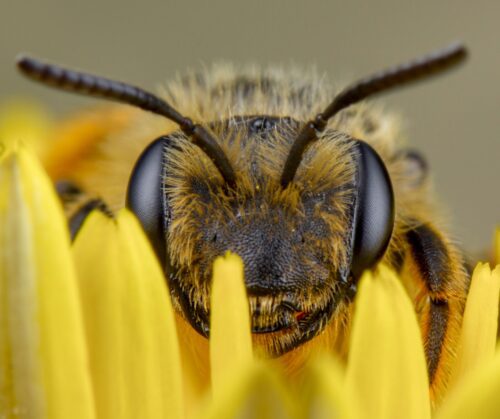
A Healthier Garden is All about Balance
A thriving landscape isn’t about eliminating every insect; it’s about creating balance. The more diverse your garden becomes, the more likely nature will help keep pest problems under control naturally. It may take a little more time, but the results are worth it. With more beneficial insects in the landscape, San Antonio gardeners can enjoy more blooms, healthier vegetables, stronger pollinator activity, and a landscape buzzing with life in all the right ways.
~The Happy Gardener, Lisa Mulroy


