


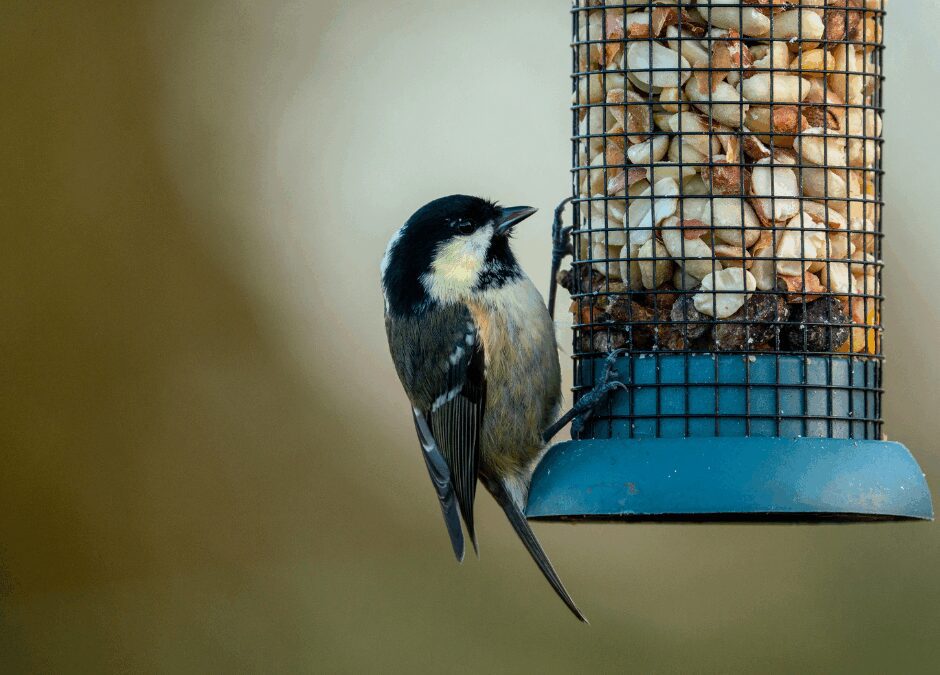
While birds enjoy visiting bird feeders throughout the year, winter is one of the most important times to offer supplemental food. Cold temperatures make it harder for birds to maintain the calories they need to stay warm and active.
Although there are many sustainable ways to support local birds—such as planting berry-producing shrubs and trees, especially those that fruit in winter—today’s focus is all about bird feeders and the birds that visit them.
Why Bird Feeders Are Especially Important in Winter
During winter, natural food sources become scarce. Bird feeders help provide reliable, high-energy food that supports local bird populations when they need it most.
You can start small with just one bird feeder—but don’t be surprised if that quickly turns into two… or five. The cheerful chirps, trills, and amusing antics of backyard birds can become wonderfully addictive to watch.
💡 Pro tip: If you received a Rainbow Gardens gift certificate for Christmas, a bird feeder is a perfect way to use it—and one you won’t regret.
Types of Bird Feeders & the Birds They Attract
Bird feeders come in a wide variety of sizes and styles, which can feel overwhelming at first. Below is a simple breakdown of common bird feeder types and the birds they typically attract.
Tube Bird Feeders
Tube bird feeders have multiple small perches and feeding ports, making them ideal for smaller birds.
Common visitors include:
-
Goldfinches
-
Titmice
-
Chickadees
-
Finches
-
Nuthatches
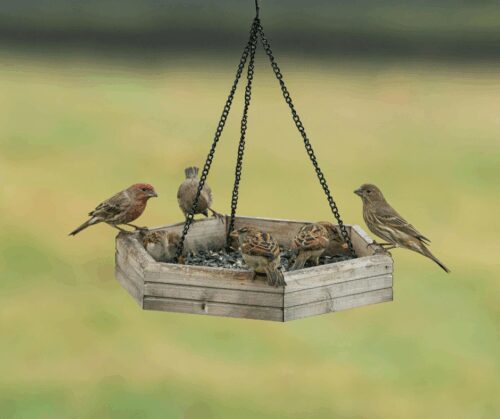
Platform Bird Feeders
Platform bird feeders mimic open ground with a flat feeding surface. While they are one of the messiest bird feeders, they attract birds that prefer foraging along the soil.
You may see:
-
Cardinals
-
Jays
-
Doves
-
Some finches
-
Certain sparrows
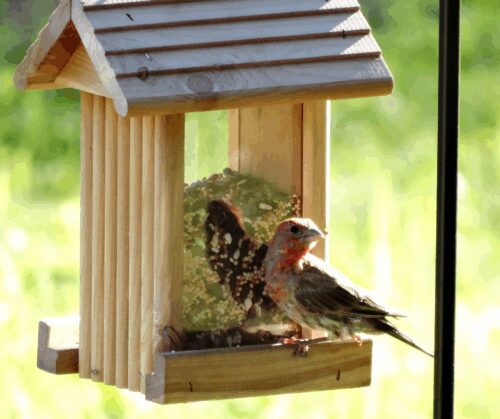
Hopper Bird Feeders
Hopper bird feeders hold seed in a reservoir that gradually drops food onto a feeding tray. Filled with black oil sunflower seed, they attract the widest variety of birds.
Birds commonly seen at hopper feeders include:
-
Goldfinches
-
Titmice
-
Chickadees
-
Finches
-
Nuthatches
-
Cardinals
-
Jays
-
Doves
-
Sparrows
-
Woodpeckers
⭐ This is often a favorite feeder style due to its versatility and popularity with many species.
Suet Bird Feeders
Suet bird feeders are typically wire cages that hold blocks of rendered fat mixed with seeds, nuts, or fruit. Suet is extremely high in calories, making it ideal for winter feeding.
Common suet feeder visitors include:
-
Wrens
-
Nuthatches
-
Woodpeckers
-
Cardinals
-
Chickadees
⚠️ Important note: Avoid using suet bird feeders in summer. Heat can cause suet to spoil and turn rancid.
Net or Thistle Bird Feeders
These feeders feature tiny wire openings designed specifically for thistle (nyjer) seed.
Best for attracting:
-
Finches
Best Placement for Bird Feeders
Feeding birds can get a bit messy, but proper placement helps minimize cleanup while keeping birds safe.
Follow these bird feeder placement tips:
-
Place feeders in the yard where they’re visible from windows so you can enjoy the activity.
-
Keep feeders about 10 feet from shrubs or trees so birds have nearby shelter from predators.
-
Avoid hanging feeders under tree limbs, which squirrels use for their dramatic “flop, drop, and seed-steal” maneuvers.
-
Mount feeders at least 5 feet off the ground to discourage squirrels.
-
Use a squirrel baffle on feeder poles for added protection.
What to Expect After Installing Bird Feeders
Don’t worry if birds don’t show up immediately. It can take time for birds to discover new bird feeders. Once they do, visits will increase—especially if you keep feeders full of preferred seeds like black oil sunflower seeds.
Birds won’t necessarily visit every day, but they will return regularly as they rotate through the neighborhood.
Cleaning tips:
- Clean feeders if seed becomes wet or moldy.
- Wash with warm water and a small amount of Dawn detergent.
- Rinse thoroughly and allow to dry before refilling.
Enjoy the Rewards of Feeding Birds
Feeding birds is a positive, relaxing, and deeply rewarding experience. We hope this guide inspires you to get started—or to expand your collection of bird feeders.
Stop by either Rainbow Gardens location to explore our selection of bird feeders, bird seed, and accessories. And if you’re feeling extra generous, add a birdbath and enjoy the delightful splash-and-flutter antics of your fine-feathered visitors.
Happy birding! 🐦🌿
~The Happy Gardener, Lisa Mulroy


