



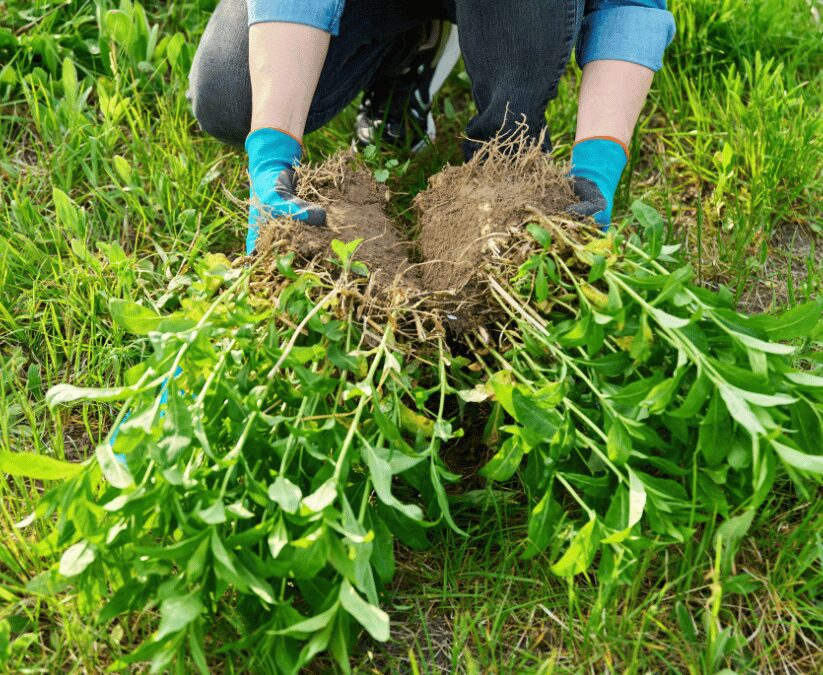
In the warm climate of the San Antonio, Texas region, the cooler air and still-warm soils create a prime window for dividing perennials in fall. After the worst of summer heat, plants can focus energy on root re-establishment rather than full-throttle growth or bloom.
-
Dividing perennials in fall is particularly effective as it not only generates new plants but is also essential for maintaining the health and vigor of existing ones. Many perennials will benefit from division every 3–5 years to prevent overcrowding, weak centers and reduced flowering
-
Fall division allows roots to establish while the top growth slows, giving the plant a jump-start for spring.
So for San Antonio gardeners, dividing perennials in the fall is a strategic step to rejuvenate older clumps, free up space, and multiply favorite plants—all before the next big growing season.
Which Perennials Should You Divide?
Clump-forming plants often require thinning to remain vigorous. Here are some prime candidates for dividing in the fall in our region:
- Daylily (Hemerocallis spp.) – These clump-forming plants benefit from being split when the fans get crowded and bloom size shrinks.
- Shasta Daisy (Leucanthemum × superbum) – When centers start to go bare or bloom production drops, division brings them back to sparkle.
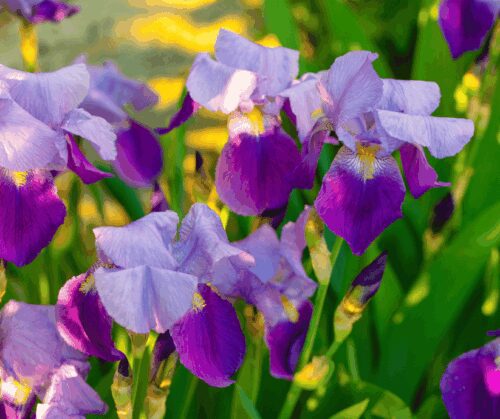
- Bearded Iris (Iris spp.) – Because they grow from rhizomes and often become congested, fall is a great time to lift and divide iris rhizomes.
- Other good examples:
- Coreopsis
- Phlox
- Yarrow (Achillea)
- Hosta
- Even ornamental grasses (once their plumes have faded) can benefit from division.
Tip: Avoid dividing perennials that bloom in the late fall or you will sacrifice their blooms. Division at this time is reserved for spring/summer blooming plants whose flowering period is long over.

6 Steps: Dividing Perennials in Fall in San Antonio
- Prep new planting areas ahead of time.
- Before you dig, have your new bed or container ready for new plants. Well-prepped soil amended with compost, a site or container with good drainage, and the right light exposure will go a long way towards successful division and transplanting.
- Select and dig out the clump gently.
- Choose mature, healthy clumps (not ones dying or weak).
- With a shovel or spade, dig around the outside and undersides of the clump, leave some outer edge around the plant to try and to get as much of the root ball or rhizomes as possible. Gently lift it out and free it from the bed.
- Divide the plant.
- Shake off excess soil so you can see roots and structure.
- Using a clean, sharp, knife or spade, and cut through the sections making sure each section contains a healthy dose roots and shoots/fans. For example, a section of daylily should have several fans. For iris, make sure each piece has part of the rhizome and a fan.
- Discard old, woody, or weak centres of the clump to reinvigorate the plant.
- Cut back above-ground growth.
- After dividing, trim the foliage down to about half, especially for plants like daylilies. This will help to reduce transplant shock and allow the root system to focus on recovery and establishment instead of supporting full foliage.
- Plant immediately and offer support.
- Replant each division right away in your prepared sites. The quicker you get them into the soil, the less root drying and shock.
- After planting, water in well so the root zone makes good soil contact and air pockets are eliminated.
- If you use a root stimulator product (look for a mild form of mycorrhizae or root booster), apply per label instructions to help jump-start root growth (this is your extra tip for success). You can also mix a product like Espoma Bio-Tone into the soil for an excellent start to your new plants.
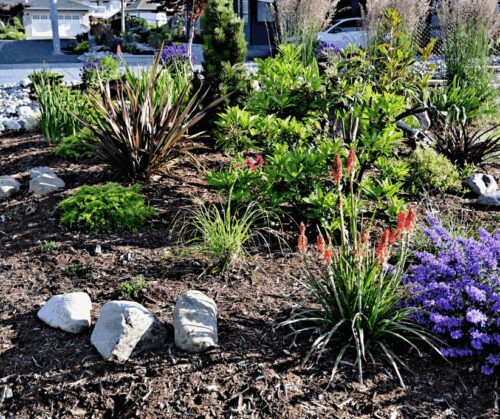
- Mulch lightly around the new plants to help protect new plantings through winter temps. Make sure you don’t mulch on top of plant crowns which can cause root rot. (See photo below of well mulched, and well spaced perennial plants in a garden.)
- After-care in San Antonio’s fall.
- Monitor moisture: fall may bring some rain, but soils dry quickly in our region, so check root zone regularly. Plants need more moisture as they attempt to develop their root systems, but be sure to avoid soggy soils. Use a wooden dowel or your finger to feel for moisture in the soil to a depth of 3-4″.
- Avoid heavy fertiliser—focus root establishment now. Those root stimulators and the Espoma Bio-Tone should suffice through winter.
- Give the divisions a few weeks to settle before major cold snaps (although San Antonio winters are mild compared to northern zones). This means, don’t delay your dividing and transplanting tasks. The time is now.
Extra Tips when Dividing Perennials
- If you have more plants than you need when you start dividing, look for fellow plant lovers to give them away too. What a wonderful gift!
- Label each division if you’re moving them or giving away. Include variety names and bloom colors so new plant recipients can look up care info.
- Mark and label your newly divided plants as you plant them as well. It’s easy to forget what you planted if you walk away from them for any period of time.
- For transplanting iris in particular, avoid burying the rhizome too deeply, these prefer to sit near or just at soil level.
- Because San Antonio summers are so hot, this fall-timing gives the plants less stress than dividing in summer or waiting until spring heat hits.
Dividing perennials in fall is a rewarding garden tasks, both for you and your plants. You get more of the plants you love, and your plants get space to stretch their legs and have enough room to grow and bloom vibrantly. Happy dividing!
~The Happy Gardener, Lisa Mulroy


