



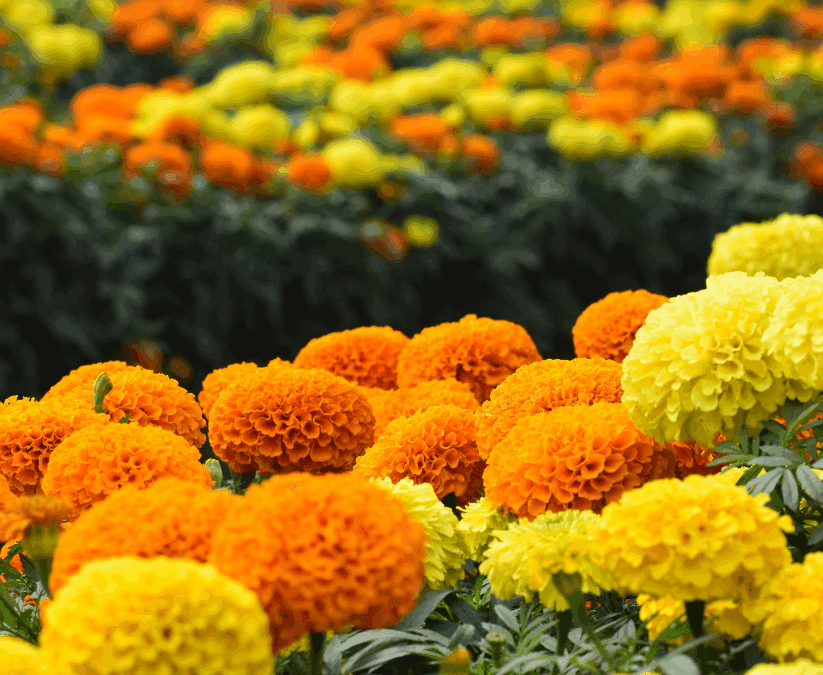
As the long, hot San Antonio summer begins to ease, fall offers a golden opportunity for gardeners. One of the most cheerful and useful plants you can plant in autumn is the marigold. Planting fall marigolds in San Antonio isn’t just about color—it’s about timing, pest control, pollinators, culture, and putting together a garden that delights across the cooler months.
Why Fall Is a Great Time for Marigolds
- Extended bloom season.
Fall marigolds often maintain bright, vivid flowers longer than those stressed by mid-summer heat. Lower nighttime temperatures help maintain color, reduce wilting and leaf scorch, and slow down the decay of flowers. - Better survival and establishment.
With cooler highs, less extreme daily heat, fewer burned roots, and less water loss, new transplants or seedlings can establish roots more easily. Soil temperatures in late summer/early fall are still warm enough for root growth but not so hot that plants are under constant water stress. - Cooler weather reduces spider mite attacks.
Some gardeners have struggled with success when planting marigolds during springtime here in San Antonio. Our spring temperatures quickly turn into the hot weather of early summer and spider mites thrive in hot, dry conditions. According to Texas A&M AgriLife Extension, spider mites reproduce rapidly in heat but the rate of reproduction of spider mites is greatly reduced by cooler fall temperatures. Plant fall marigolds after the worst heat of summer has passed and you give the flowers a better chance of growing strong before pests can build up. If you love the look of marigolds, but have struggled through spring, planting fall marigolds is a real gardening game changer. - Enhanced landscape interest in autumn.
As some other annuals fade, fall marigolds bring splash of oranges, golds, yellows—and sometimes reds—keeping landscapes, containers, and patio areas bright well into cooler months. They also pair nicely with other fall-blooming perennials, like the purple spiked flowers of Mexican Bush sage, Texas Fall aster.
Growing Fall Marigolds: Best Practices for San Antonio
- Sunlight: Full sun. Aim for at least 8-10 hours of direct sunlight per day. Fall marigolds bloom best with plenty of light.
- Soil & Drainage: Well-drained soil. Incorporate organic matter (compost) to inground plantings to improve texture and fertility. Avoid areas that stay soggy. If you’re planting in containers, use a high-quality potting mix.
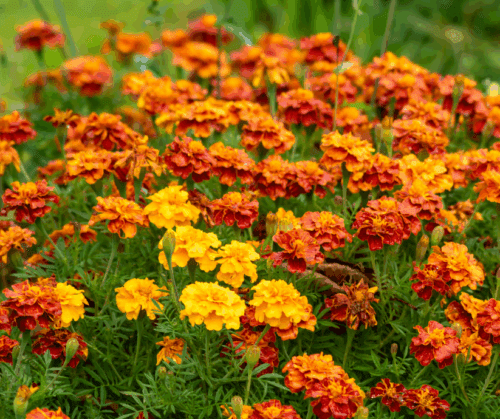
- Spacing: Depends on variety. French marigolds (Tagetes patula) and dwarfs need less space (say 6-8 inches), larger types like American marigolds or mari-mums might need more (8-12 inches or more) so air can circulate. The Bexar County “Mari-Mums” advice for ‘Antiqua Yellow’ and ‘Antiqua Orange’ is eight inches apart for those dwarf mari-mum types.
- Watering: Fall Marigolds need regular watering to get established. Keep soil moist but not waterlogged. Once established, marigolds are reasonably drought tolerant but appreciate consistent moisture in fall, especially if unexpected heat or dry winds return. Morning watering is best to reduce disease risk. Mulch helps retain moisture.
- Fertilizer: Use balanced fertilizer or a moderate amount of slow-release fertilizer at planting. Over-fertilization (especially heavy nitrogen) can produce lush foliage at cost of flowers.
- Maintenance: Deadhead spent flowers to encourage continual blooming. Keep an eye out for pests like aphids, slugs, and if summer lingers, some fungal problems. Remove unhealthy plants. As mentioned, spider mites tend to be less of a problem once cooler weather sets in.
Fall Marigolds: Insect-Repelling, Pollinator-Attracting, and Fall Beauty
Besides being the “right” time to plant fall marigolds, here are a few other enticing reasons to include these cheerful flowers into your fall gardening projects:
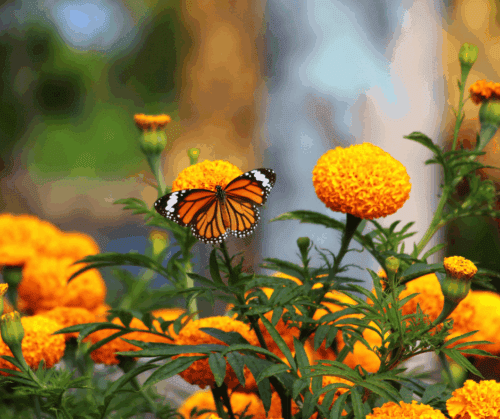
- Pollinator magnets. Single or semi-double marigolds especially provide pollen and nectar for bees, butterflies, hoverflies and beneficial insects. Plant near vegetable patches or pollinator gardens to add support to these helpful insects.
- Natural pest repellent. Their strong scent can help deter certain insect pests. Some gardeners plant fall marigolds near fall tomatoes or squash to reduce nematodes in soil, though care must be taken with cultivar selection and spacing.
- Versatility in use.
- Border plantings: line walkways, patios, or beds with low marigolds.
- Massed color beds: use larger varieties to create a bold color block.
- Containers: marigolds do well in pots, window boxes, urns—great for filling in where light is good.
- Companion plantings: next to veggies or in mixed annual beds. Their disease resistance and low maintenance make them good partners.
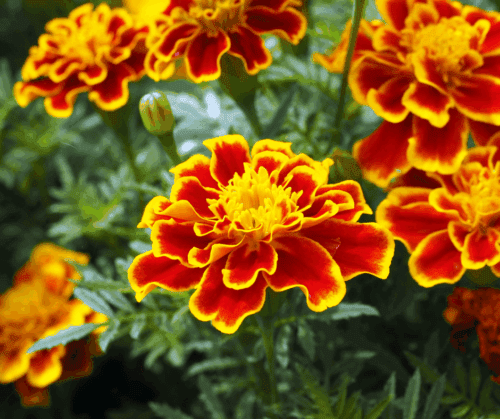
- Color palette & texture. Fall marigolds come in yellows, oranges, reds, variegated combinations; foliage can be dense, feathery, or bold depending on species. This variety helps to build interesting contrasts with fall foliage, grasses, or other autumn-blooming plants.

Fall Marigolds & Día de los Muertos (Day of the Dead)
In San Antonio, where Mexican cultural traditions are woven into the fabric of community life, fall marigolds carry special meaning through Día de los Muertos.
- Symbolism. The vibrant orange and yellow marigold, often called cempasúchil in Mexico, symbolizes the fragility of life and the beauty of remembrance. Its bright hues are believed to guide the spirits of the departed back to the living through vibrant color and strong scent.
- Traditional uses. Marigolds are used in ofrendas (alters), mausoleums, temples, streets, and homes. Petals are strewn to create paths (or “flower carpets”) leading from cemeteries to homes or through public spaces. Garlands and bouquets of marigolds decorate ofrendas, gravestones, arches, and even clothing and wreaths.
- Varieties & timing. For Day of the Dead (Nov 1-2), marigolds planted in early fall will be in bloom and strong—perfect for harvesting blossoms and petals. Full blossoms or heavy-bud plants are often used. Having healthy fall marigolds means more abundance—better petals, better color, less chance of pest or heat damage before the holiday.
- Cultural connections in San Antonio. Many gardeners and community groups in San Antonio plant marigolds specifically to coincide with the Dia de los Muertos celebrations. They are central to festivals, parades, community altars, and home remembrance ceremonies.
We hope we’ve given you plenty of reasons to plant marigolds now. Fall is planting season, so roll up your sleeves, gather your orange and yellow blooms, and let your garden glow. Whether in the landscape or in a container, by your front door or adorning a Dia de los Muertos altar, fall marigolds bring joy, color, and meaning.
~The Happy Gardener, Lisa Mulroy


