



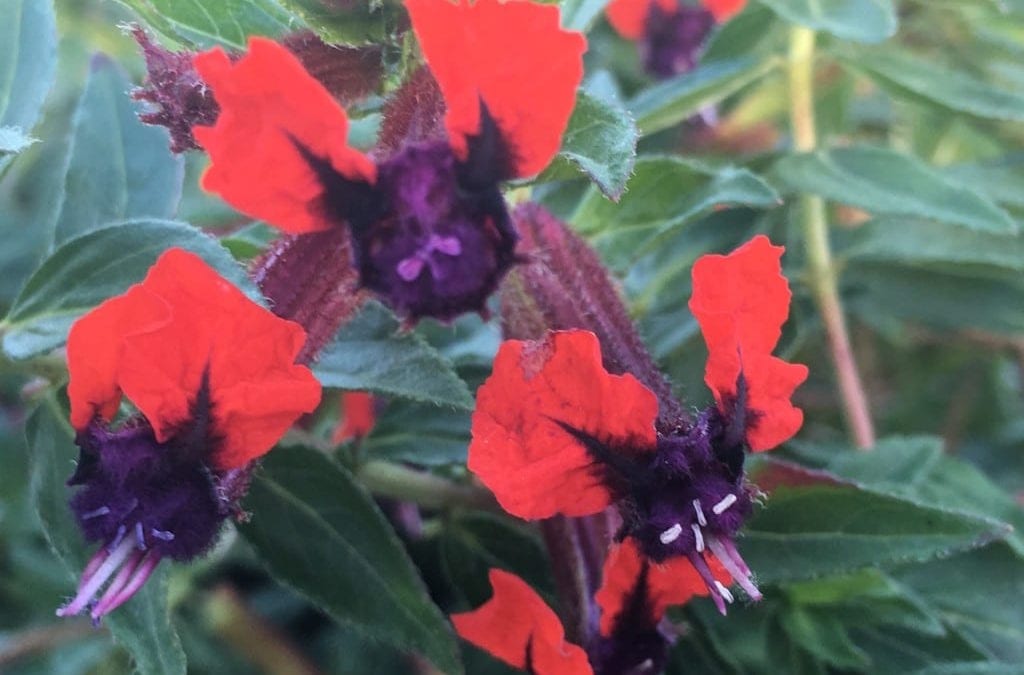
Looking for a plant that’s a little quirky, full of personality, and a favorite among pollinators? Meet Batface Cuphea (Cuphea llavea). With flowers that look like adorable, tiny bat faces, this unique perennial is sure to turn heads in your garden!
Native to Mexico, Batface Cuphea is a heat-loving, long-blooming plant that thrives in warm climates like here in San Antonio. Fall is a terrific time to plant perennials and this perennial, with its naturally spooky appearance, is a perfect addition to Halloween planters and goth-inspired gardens
A Plant Named for Its Flowers
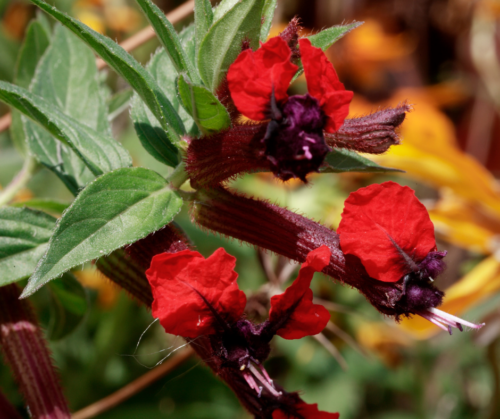
Take a closer look at its flowers, and you’ll see exactly how this plant got its name! Each bloom features a deep purple, tubular center that resembles a bat’s face, topped with two bright red petals that look like little bat ears.
Batface Cuphea typically grows 18–24 inches tall and wide, although some varieties can reach 2–3 feet when mature, especially in width. It forms a bushy, mounding shape with dark green foliage and produces an abundance of flowers from late spring through fall.
If you need another reason to love it, Batface Cuphea is a low-maintenance bloomer that generally doesn’t require deadheading to keep flowering.
A Pollinator Favorite!
One thing this plant doesn’t spook away is pollinators.
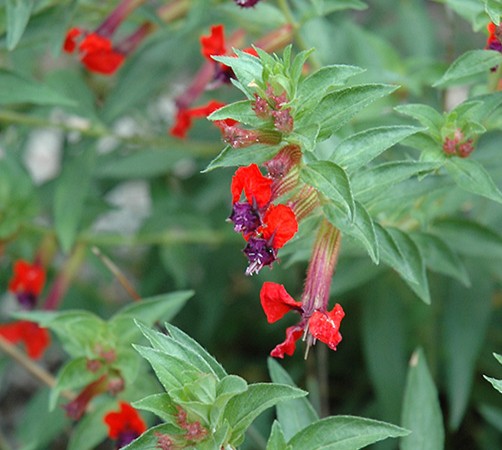
Its nectar-rich, tubular flowers attract hummingbirds, butterflies, and bees, providing a valuable food source throughout the warmer months.
One of its biggest benefits is its long blooming season. While some summer flowers begin slowing down, Batface Cuphea can continue producing blooms well into fall, offering nectar for pollinators preparing for cooler weather.
On warm autumn days in San Antonio, we bet you’ll spot hummingbirds and butterflies visiting its unusual flowers.
Batface Cuphea: A Perennial or Annual in San Antonio?
Yes! Batface Cuphea is considered a tender perennial, meaning it can return year after year in areas with mild winters.
It’s generally hardy in USDA Zones 9–11, but gardeners in San Antonio’s Zone 8b areas can sometimes successfully overwinter it with protection.
If temperatures dip into the upper 20’s, Batface Cuphea may begin experiencing some foliage damage but its roots can usually survive temperatures around 20–25°F, especially when it is an established plant and has been protected with mulch.
During colder winters, the plant may die back to the ground but return from its roots once warmer temperatures arrive. However, in the event of a prolonged hard freeze, it could possibly have difficulty coming back.
Mulch is one of the easiest ways to give plants some inexpensive winter protection. Add a layer of mulch around the base (not against the stem) before freezing weather arrives. If the plant suffers freeze damage, wait until the danger of frost has passed before trimming away dead growth.
Batface Cuphea Growing Conditions
- Sun Exposure: Full sun to partial shade. It flowers best with plenty of sunlight but appreciates some afternoon shade during intense summer heat.
- Soil: Well-draining soil is essential! Avoid areas where water collects, especially in heavy clay soils. Raised beds or amended planting areas can help improve drainage.
- Water: Water regularly while establishing. Once established, Batface Cuphea has some drought tolerance but blooms best with consistent moisture. Allow the upper soil to dry slightly between waterings and avoid soggy conditions.
Garden Tip: If your plant becomes leggy, give it a light trim during the growing season to encourage a fuller, bushier appearance.
Goth/Halloween Gardens in Fall and Pollinator Gardens in Summer
Who says Halloween decorations have to be artificial? Batface Cuphea brings a little natural spookiness to your garden!
Its dark purple and bright red bat-shaped flowers make it a fun choice for goth gardens, Halloween-themed containers, and moody fall arrangements.
Here are a few creative ways to use it:
- Goth Garden Beds: Pair Batface Cuphea with dark-foliaged plants like black sweet potato vine, purple fountain grass, or dark-leaved coleus for a dramatic contrast.
- Halloween Planters: Plant it in a black or dark-colored container alongside purple petunias, ornamental kale, or Dragon’s Breath celosia for a spooky seasonal display.
- Whimsical Garden Corners: Add it near garden decorations, miniature pumpkins, or other unusual plants to create a playful, slightly mysterious garden space.
- Mixed Arrangements: Combine it with trailing plants and colorful annuals to create interesting textures and layers.
Add a Little Batty Charm to Your Garden!
Whether you’re creating a spooky Halloween planter, designing a goth-inspired garden, or simply looking for a unique perennial that attracts pollinators, Batface Cuphea is a fun choice for San Antonio gardeners.
With its adorable bat-shaped flowers, impressive heat tolerance, and long blooming season, this is one plant that’s sure to bring a little personality to your garden!
~The Happy Gardener, Lisa Mulroy


