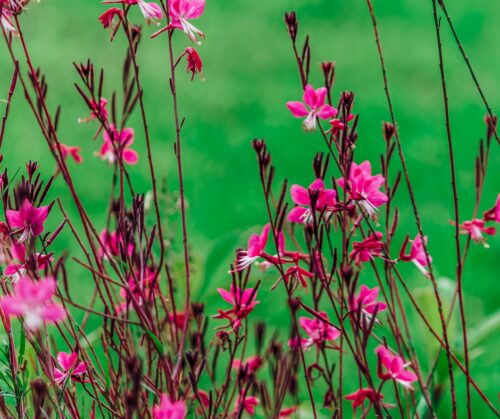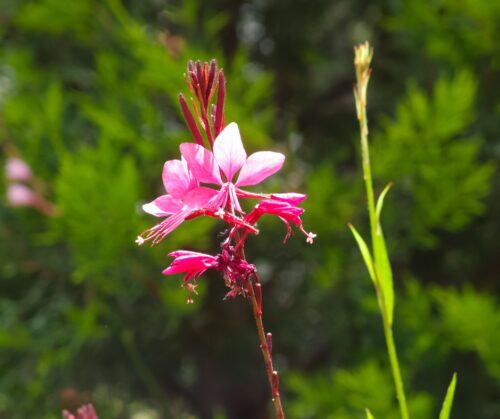
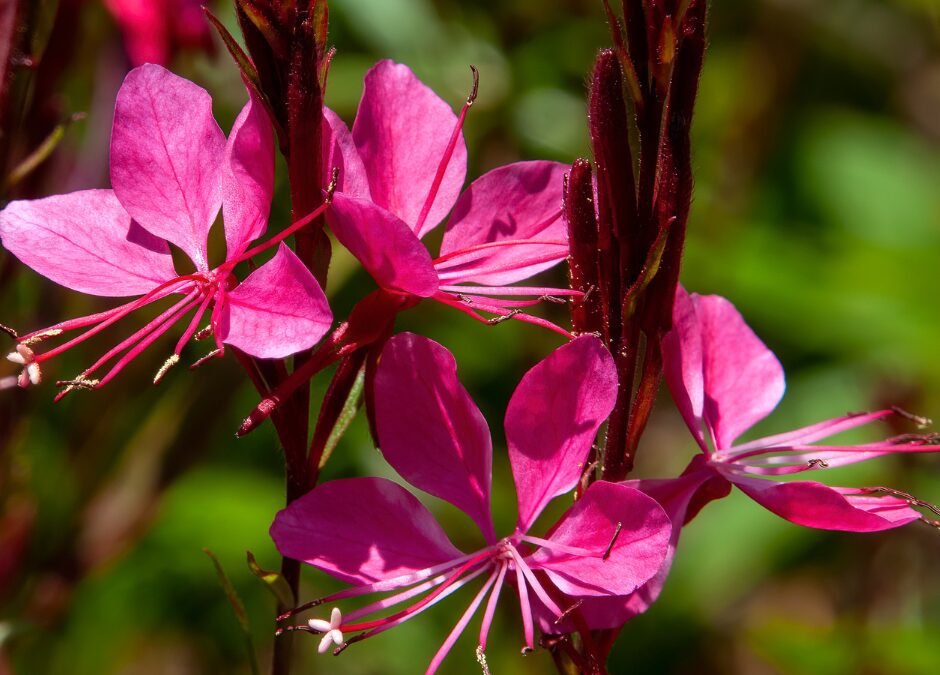
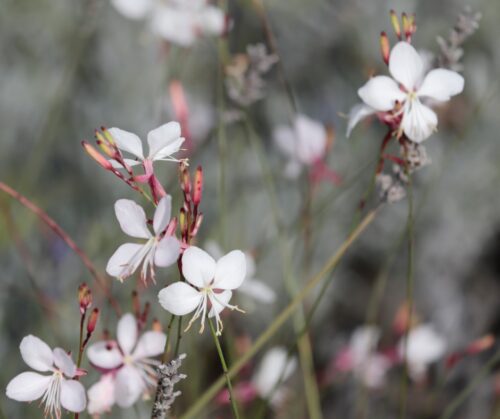
If you’re looking for a plant that thrives in San Antonio’s heat and keeps blooming for months, gaura is one of the best additions you can make to your garden. Also known as beeblossom or whirling butterflies, gaura produces delicate white or pink flowers that seem to dance above the foliage on airy stems, giving the landscape a soft, natural look.
Despite its delicate appearance, gaura is incredibly tough. It handles heat, sun, and drought beautifully once established, making it a perfect choice for South Texas gardens, containers, pollinator beds, and water-wise landscapes.
Sun and Light Exposure
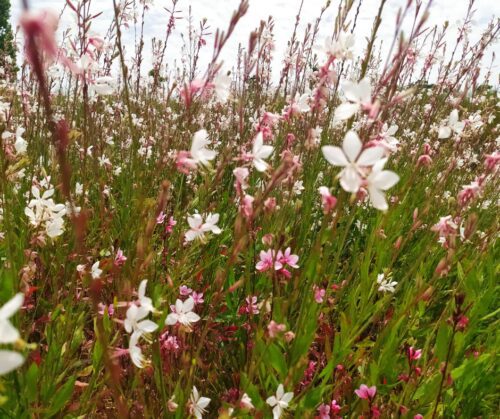
Gaura loves the sun. For best flowering, plant it in full sun, where it can receive at least 6 to 8 hours of direct sunlight each day. In San Antonio, this is one of those plants that truly enjoys our bright conditions and performs best when it gets plenty of light.
It can tolerate a bit of light afternoon shade, but too much shade can cause floppy growth and fewer blooms.
Best Soil for Gaura
Gaura prefers well-drained soil, even on the leaner side. It grows beautifully in:
- amended garden beds
- raised beds
- rocky or sandy soil
- containers with excellent drainage
If planting in heavier clay, mix in compost and expanded shale to help improve drainage. The most important thing is to avoid soggy soil, especially during cooler months. Gaura actually performs better when the soil is not overly rich, so don’t go overboard on your organic amendments.
Watering Through the Seasons
Gaura is wonderfully drought tolerant once established, but it does need regular watering when first planted.
Spring:
Water deeply 1–2 times per week while the plant is getting established.
Summer:
Once rooted, gaura can handle our heat very well. Water deeply every 5–7 days during dry periods, and a little more often for container-grown plants.
Fall:
Continue watering as needed, especially if we have dry weather, since gaura often keeps blooming into fall.
Winter:
Water sparingly. Established plants usually need very little supplemental water during winter unless conditions are unusually dry.
A good rule is to let the top few inches of soil dry between waterings.