



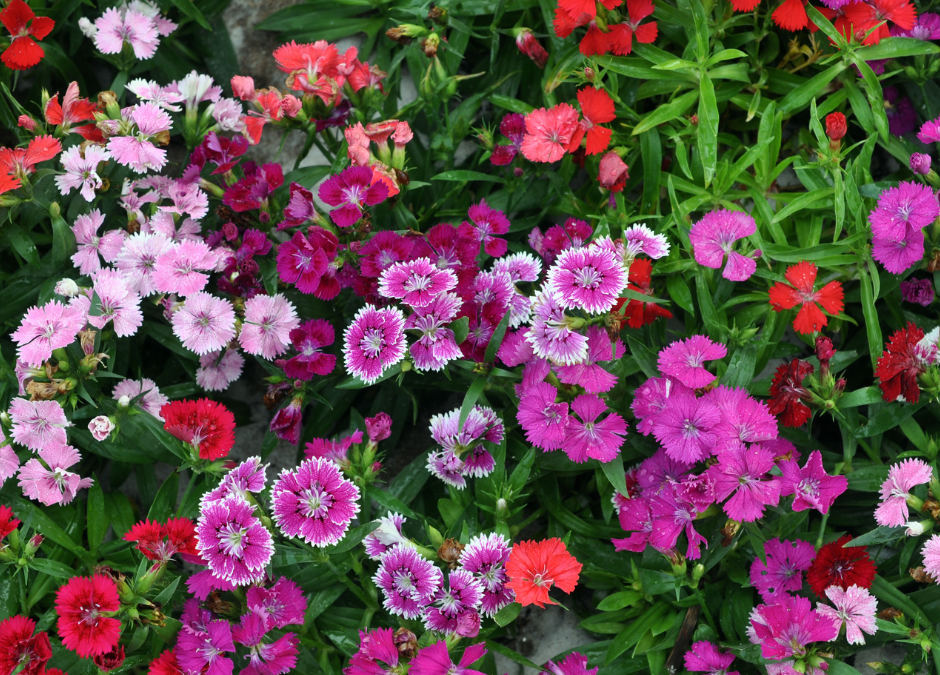
Looking for a little color to brighten up your garden during the cooler months? Dianthus is a fantastic choice for fall and winter gardening in San Antonio, Texas. With its cheerful blooms, impressive cold tolerance, and easy-care, it’s a great way to keep your landscape looking beautiful when temperatures begin to drop.
Dianthus and Cooler Weather
Unlike many flowering plants that slow down as temperatures drop, dianthus thrives in cooler conditions. Its colorful, often clove-scented, flowers come in beautiful shades of pink, red, white, purple, or bicolor combinations.
Dianthus is also surprisingly cold hardy. Many perennial varieties can withstand temperatures as low as -20°F, although cold tolerance does vary by species and variety. The bedding varieties commonly grown in San Antonio tolerate frost and typical winter temperatures, but prolonged hard freezes may damage their flowers or foliage.
Planting dianthus in fall allows it to establish strong roots and provide beautiful blooms throughout the cooler months and into spring.
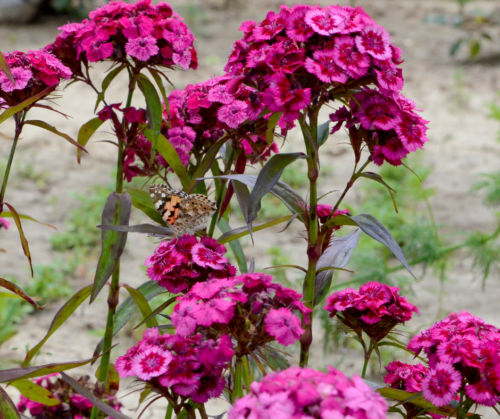
A Cool-Season Treat for Pollinators!
Just because temperatures are dropping doesn’t mean pollinator activity completely stops!
Mild winter days in San Antonio mean it could be cool and cloudy one day, sunny and warm the next, bringing bees and butterflies out in search of food. Dianthus flowers can provide a valuable late-season and occasional winter nectar source for these active pollinators, especially when other flowering plants have finished blooming. Single-flowered varieties with accessible flower centers are particularly helpful for pollinators.
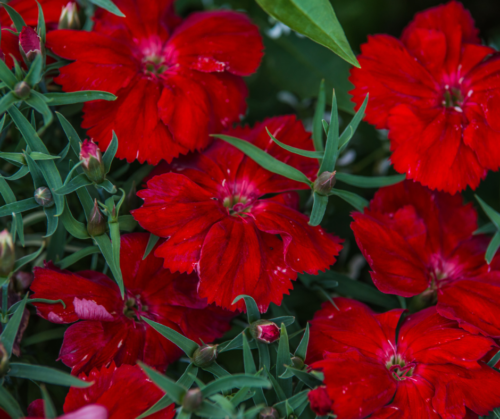
Annual or Perennial: Different Varieties, Different Sizes!
Depending on the species and variety, dianthus can be an annual, biennial, or perennial. Knowing which type you’re purchasing can help you plan your garden.
- Annual Dianthus: Some varieties, particularly Dianthus chinensis (Chinese pinks), are commonly grown as seasonal annuals. They provide beautiful cool-season color but may struggle through San Antonio’s intense summer heat. Interestingly, some can survive longer under favorable conditions!
- Perennial Dianthus: Varieties such as Cheddar pinks (Dianthus gratianopolitanus) and many garden pinks (Dianthus plumarius hybrids) are true perennials. Newer varieties of Sweet William (Dianthus barbatus), traditionally a biennial (first year foliage, second year blooms, life cycle complete), now behave more as short-lived perennials (meaning you can usually squeeze a few extrra years out of them). With proper care and good drainage, these perennials can return year after year. But keep in mind that some perennials need a little afternoon shade during our hottest months to keep them alive and thriving.
Check the plant tag for the botanical name, variety, and hardiness zone. Look for descriptions such as annual, biennial, or perennial. Keep in mind that even a plant labeled perennial may perform more like an annual in South Texas, depending on its heat tolerance.
Growing Sizes
Some grow into compact little mounds, while others develop taller stems and larger clusters of flowers.
- Dwarf varieties: Typically grow 4–8 inches tall, perfect for edging and small containers.
- Standard bedding varieties: Generally reach 8–18 inches tall, ideal for flower beds and mixed plantings.
- Taller varieties: Some Sweet William and carnation types can reach 18–24 inches or more.
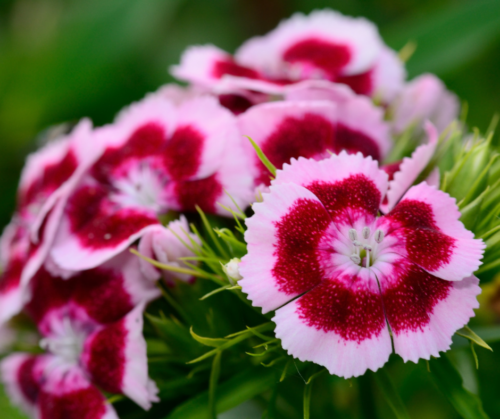
Dianthus Growing Conditions
Dianthus is relatively low maintenance, making it a great choice for both beginner and experienced gardeners.
- Sun Exposure: Full sun to partial shade. Aim for at least 6 hours of sunlight daily for the best flowering. During the height of summer, these plants appreciate some reprieve from the late afternoon sun.
- Soil: Well-draining soil is essential! Fertile, neutral to slightly alkaline soil is preferred and it doesn’t tolerate soggy roots.
- Water: Water regularly while establishing, then allow the top layer of soil to dry slightly between waterings. Avoid overwatering, especially during cooler weather.
Remove spent flowers regularly to encourage fresh blooms and keep plants looking tidy!
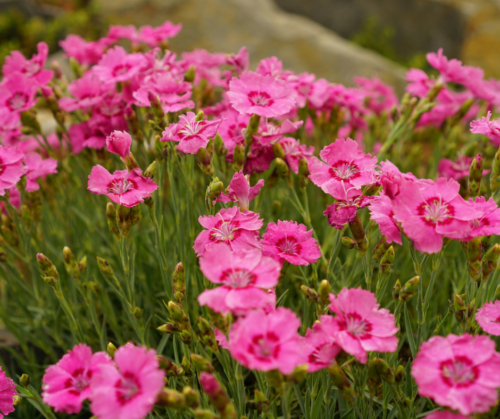
With so many colors, sizes, and varieties to choose from, there’s a dianthus for almost every garden style. Try them in:
- Garden Borders: Plant dwarf varieties along walkways, flower bed edges, or garden paths for a colorful, tidy border.
- Containers: Add dianthus to patio pots, decorative planters, or window boxes for cheerful cool-season color.
- Mixed Arrangements: Pair dianthus with other cool-weather favorites like pansies, violas, snapdragons, and ornamental kale for beautiful seasonal combinations.
- Mass Plantings: Group several dianthus plants together for a bold splash of color that really stands out!
Fall is a great time to get planting and enjoy these charming flowers throughout the cooler season!
~The Happy Gardener, Lisa Mulroy


