



I know it just barely turned November, but right now is a really good time to start making a plan for how you will protect your frost-tender container plants through winter. I’m not trying to fear monger here, but our average first frost in San Antonio is somewhere around Nov. 21st – Nov. 31st, just saying. But something you need to think about is the possibility of pests hiding amongst those plants and the reality of what could happen if you bring them indoors as well.
Many of us choose to bring our container plants indoors to warmer temperatures once the fall season shifts to winter. Container grown plants have less cold tolerance than inground plants because their roots aren’t as insulated. Bringing them indoors seems like an easy enough task, right?
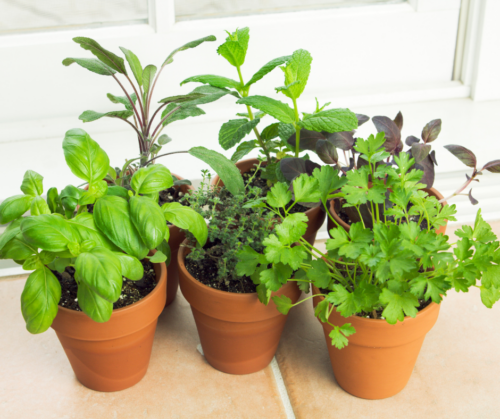
A freeze is predicted so we shuffle outside, drag our pots into the garage or house, and pat ourselves on the back for saving our plants. A few days later, we see the first signs of an issue. Do the leaves of my tropical hibiscus look…chewed? Could that be scale on my potted lemon tree and is it spreading to my lime tree?!
It’s at this moment you may remember how you skipped past the article (this one) in the Rainbow Gardens newsletter that urged you to give yourself plenty of time to: inspect, treat, clean, and quarantine your plants before moving them indoors. If you had read it (it’s this one; you’re reading it now), you would have learned the importance of giving yourself plenty of time BEFORE frost season arrives to prep your plants the right way and could have avoided the pest infestation that has now thrown you into a panic.
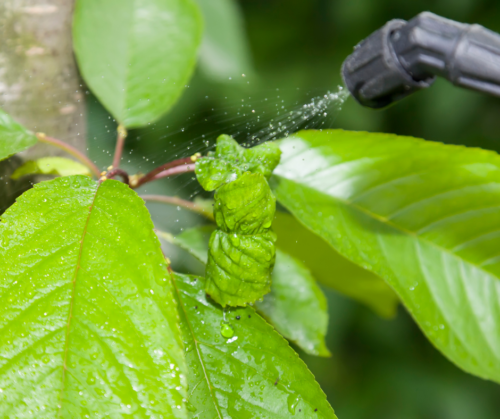
Treating Plants for Pests Before Bringing Indoors
Thank goodness you are taking a look at this article now. You’ve got time to give your frost-tender plants a little extra TLC before moving them indoors, so you can prevent unwanted hitchhikers from coming along! Here’s what you need to do:
- Inspect for Pests: Check the tops and undersides of leaves (especially the undersides of leaves). Also look closely for pests hidden along stems and leaf joints. Common pests like aphids, scale, mealybugs and spider mites hide here.
- Treat Before Bringing Indoors: Use insecticidal soap or neem oil labeled for your plants and the pests you’re treating. Thoroughly coat affected areas, following label directions.
- It’s best to treat these plants outdoors so you’re not breathing in any pesticides but make sure you’re not treating plants in direct sunlight, or in temps above 85º, as this can burn foliage.
- Repeat treatments may be needed to control lingering pests. This is another reason you should start earlier than you think. You may have to treat again, and most follow up applications generally are recommended 7-14 days later. Make sure you have time to completely treat before the first estimated freeze date. Again, read labels.
- Clean Up: Don’t do any major pruning in winter but you should remove damaged growth, dead leaves, and any debris from the soil’s surface. Pests also hide there.
- Quarantine: Keep plants separated from your existing houseplants for 1–2 weeks, inspecting regularly for pest activity. Treat again if needed.
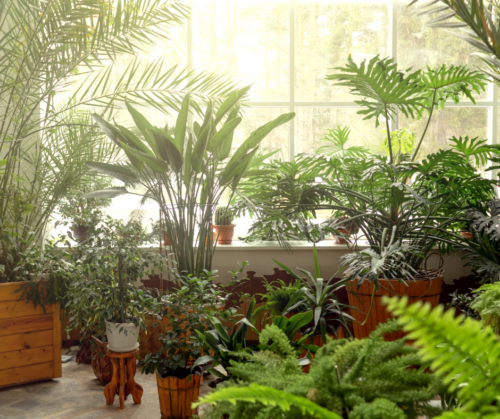
Extra Tips When Moving Plants Indoors for Winter
Ease Up on Watering: Start adjusting your watering routine as temperatures cool. Indoors, plants generally grow more slowly, and soil stays moist longer due to lower light and reduced evaporation. Overly wet soil creates the perfect breeding ground for fungus gnats, which can quickly become a nuisance indoors! Check soil moisture before watering rather than sticking to your summer schedule.
Find the Right Spot: Give plants adequate light and keep them away from heating vents and cold drafts. Try to give them some space for air circulation. This can greatly reduce the transfer of pests from one plant to another as well. It’s just a fact that plants that haven’t been given the correct growing conditions, and stressed-out plants, are much more susceptible to pest issues.
*Bonus Tip: While you’re in the protecting mood, you can go ahead and offer your inground perennials a good 2” layer of mulch now so their root systems will have a nice protective layer. It’s simply one of the easiest ways to make sure your plants come back to greet you in spring.
Finish prepping plants for their indoor move early this month (Nov.) so you have time to treat appropriately before that first freeze arrives. When plants are nestled together indoors, pests like aphids, scale, and spider mites can multiply quickly and spread to neighboring plants. A little prevention now can save you from a major infestation later! Don’t put it off. You’ll thank me later.
~The Happy Gardener, Lisa Mulroy


