




Starting seeds indoors during winter is one of the most rewarding ways to get a jump on the growing season—but success starts below the surface. Choosing or building the right seed starting soil is one of the most important steps for strong germination and healthy seedlings.
This guide walks you through:
-
What seed starting soil should feel like
-
DIY seed starting soil recipes
-
Helpful soil amendments
-
Trusted commercial seed starting mixes
-
Proper planting depth and moisture tips
What Is Seed Starting Soil (and Why It Matters)?
Seed starting soil is different from garden soil or standard potting mix. Seeds need:
-
Light, airy texture
-
Even moisture
-
Excellent drainage
-
Fine particles for tiny roots
Heavy soils hold too much water, which can lead to rot, fungal issues, or poor germination—especially in cool winter conditions. Specific seed starting soil is something you really don’t want to skimp or pass on. The wrong mix of soil can literally stop you before you truly get started on your seed growing journey. It’s worth it to read on.
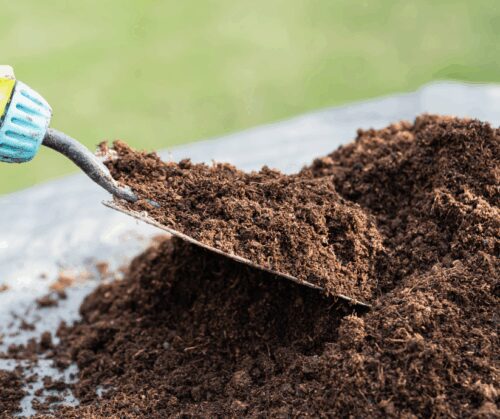
What Seed Starting Soil Should Feel Like
The ideal seed starting mix should be:
-
Light and fluffy – roots need oxygen
-
Moist but never soggy – think a wrung-out sponge
-
Fine-textured – no bark chunks or large debris
🚫 Too wet = seeds may rot or dampen off
🚫 Too dry = seeds fail to sprout or stall out
DIY Seed Starting Soil: Build Your Own Mix
Making your own seed starting soil lets you control texture, drainage, and moisture retention.
Basic DIY Seed Starting Soil Recipe
A simple, reliable blend:
-
2 parts coco coir or peat moss
-
1 part perlite or vermiculite
This creates a lightweight, moisture-balanced base ideal for most seeds.
Soil Amendments That Improve Seed Starting Success
Adding the right amendments improves structure and supports early root development.
Here’s a little rundown for what these soil amendments can offer:
Coco Coir or Peat Moss
-
Holds moisture evenly
-
Keeps soil light and airy
-
Helps prevent soil from drying out too quickly
Perlite
-
Improves drainage
-
Prevents compaction
-
Reduces the risk of overwatering
Vermiculite
-
Holds moisture near seeds
-
Excellent for very fine or shallow-planted seeds
Worm Castings (Optional, Use Sparingly)
-
Adds gentle nutrients
-
Supports beneficial microbes
-
Use no more than 10–15% of the mix
Trusted Commercial Seed Starting Soil Options
If you’d rather skip mixing your own, these high-quality commercial options work well for winter seed starting:
-
Black Gold Seed Starting Mix – Fine texture, consistent moisture retention
-
Espoma Seed Starting Mix – Organic and beginner-friendly
-
Pro-Mix Seed Starting Mix – Lightweight and widely used by growers
-
Rabbit Hill Seed Starting Mix – Designed specifically for germination success
💡 Tip: Look for mixes labeled “seed starting” rather than general potting soil.
That’s it for now, we’re taking this seed starting thing seriously and want to break it down for you in easy-to-digest chunks. We’ll be back with what to do once you’ve got your seed starting soil ready. You can take a look at our past seed starting series for immediate help with the entire process.
~The Happy Gardener, Lisa Mulroy


