



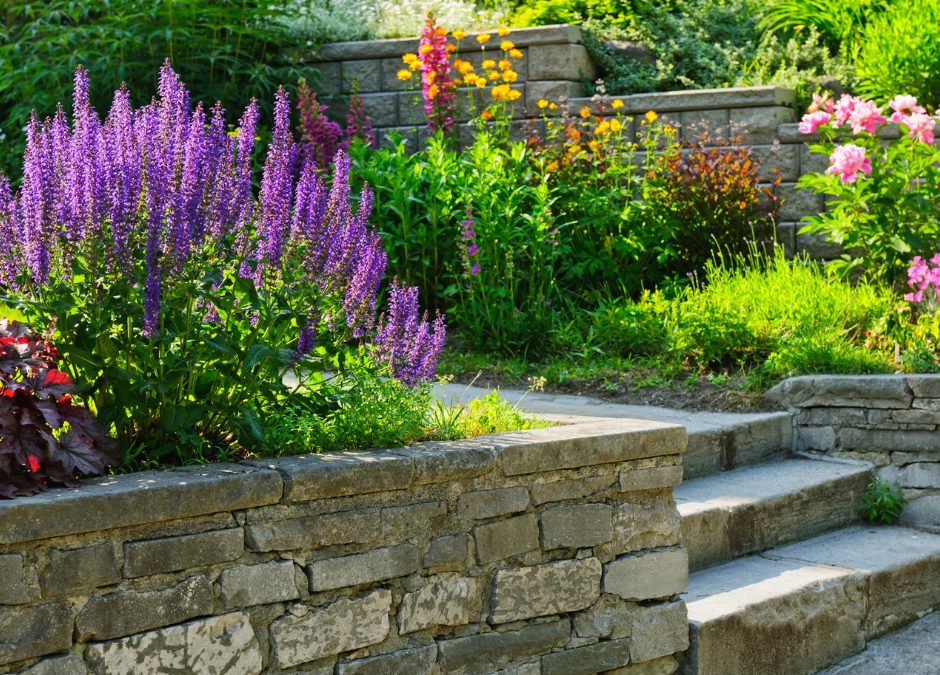
Have you ever planted the same plant in two different places in your yard only to have one thrive while the other struggles? It may not be the plant. It may be that you have different microclimates within your landscape and you plant is just in the wrong spot.
Even a relatively small San Antonio yard can contain several different growing environments. Walls radiate heat. Trees create afternoon shade. Courtyards and entryways block wind. Low areas collect water and cold air. Paved sidewalks can make nearby planting beds considerably hotter.
You’ve probably felt these microclimates before. Picture yourself saying goodbye to a visiting friend. You chat by their car which is parked on your paved driveway. Suddenly you are feeling the heat radiate around your ankles and start to feel a few trickles of sweat, so you move to an area to under a canopy of shade trees to finish your conversation. You just moved from one microclimate to another!
Today we’re going to tell you how to recognize more of these microclimates and by doing so, it may help you to plan out your landscape plantings better and build a landscape that’s more resilient to San Antonio’s heat, drought and unpredictable winter weather.
What is a Microclimate?
A microclimate is a small area where the growing conditions are different from those in the surrounding landscape.
There are several things that can create a microclimate:
- Buildings and walls
- Fences
- Trees
- Slopes and changes in elevation
- Patios and driveways
- Wind exposure
- Drainage patterns
- The direction your home faces
7 Microclimates that May Be in Your Landscape
1. Hot Wall Microclimates
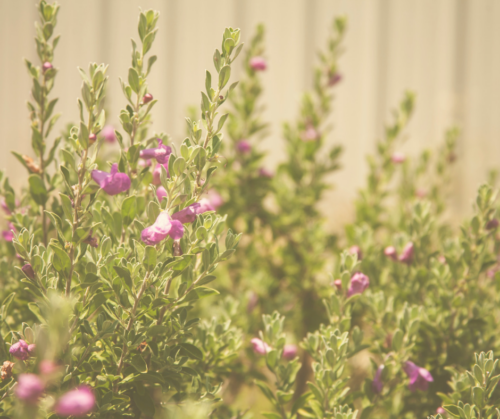
A south-facing or west-facing wall receiving hours of intense sun, especially during the afternoon is considered a hot wall microclimate.
Walls absorb solar energy throughout the day and radiate some of that heat back toward nearby plants. Add San Antonio’s summer temperatures, and this can become one of the toughest places in the landscape. Hot, hot, hot!
A plant growing here isn’t simply experiencing “full sun.” It’s dealing with sun plus reflected and stored heat.
Try:
- Cenizo (Texas sage)
- Red yucca
- Autumn sage
- Damianita
- Blackfoot daisy
- Texas rock rose/Pavonia rock rose
- Annuals like moss rose, purslane and vinca
- Prickly pear
Many of these plants are native to Texas and naturally adapted to hot, dry conditions.
Don’t assume every plant labeled “full sun” belongs against a blazing west-facing wall. A plant that loves six hours of morning sun may respond very differently to six hours of late-afternoon Texas sun. Always ask if you aren’t sure.
2. Protected Courtyard Microclimates
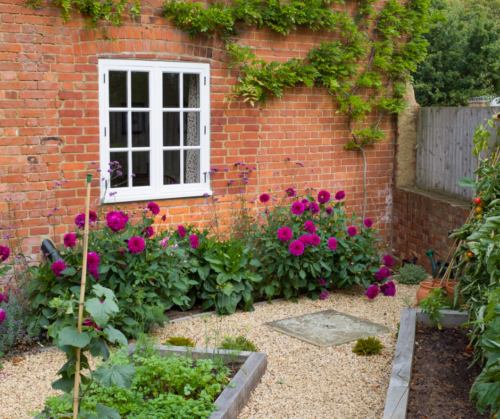
Areas enclosed by your home, privacy fence or walls and protected from strong wind are considered protected area microclimates.
Courtyards can create surprisingly different conditions from the rest of the yard. Depending on their orientation, they may be warmer, less windy and more humid.
A protected courtyard can sometimes allow you to experiment with plants that appreciate a little shelter from San Antonio’s extremes.
Try:
- Taller annuals like Rocket snapdragons, giant zinnia, tall dahlias, delphinium, etc… that can break with strong winds.
- Bananas, elephant ears, cannas, and other plants with large soft leaves that can easily tear in the wind.
- Top heavy plants like potted Plumeria that can fall over.
- Shrubs with wispy, thin branches.
Protection from wind doesn’t automatically mean protection from heat, sometimes courtyards can become a hot zone. You’ll have to still pick out plants that need the right sun exposure for your courtyard.

3. The Low Spot
Low spot microclimates are areas where water naturally travels or collects after a heavy rain. When we tell you that a plant needs to be planted in well-draining soil, this is NOT the place to put them.
Walk your landscape shortly after a storm. Where does the water go?
Low areas may stay moist considerably longer than surrounding beds. Instead of constantly trying to make a dry-land plant survive there, consider plants better suited to periodically moist conditions. However, if the area remains permanently waterlogged, you may have a drainage problem that needs to be corrected before planting.
Try:
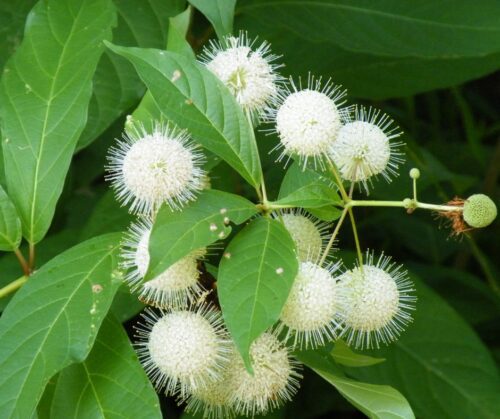
- Buttonbush (an incredible pollinator plant)
- Frogfruit
- Cardinal flower
- Possumhaw holly
- Louisiana Iris
- Swamp milkweed
- Little Bluestem grass
- Bald Cypress
- Roughleaf Dogwood
Plants don’t all require the same amount of water.
Grouping plants according to their water needs allows you to take advantage of naturally wetter and drier areas rather than trying to make every square foot of your landscape behave the same way.
4. The Afternoon-Shade Sweet Spot
An east-facing bed or an area receiving morning sun followed by protection during the hottest part of the afternoon.
In San Antonio, this can be prime gardening real estate.
Morning sunlight gives plants energy for flowering and growth while afternoon shade offers relief from our most intense heat.
Texas gardening recommendations emphasize that the type of shade matters. Morning sun, afternoon shade and dappled tree shade can create very different growing conditions.
Try:
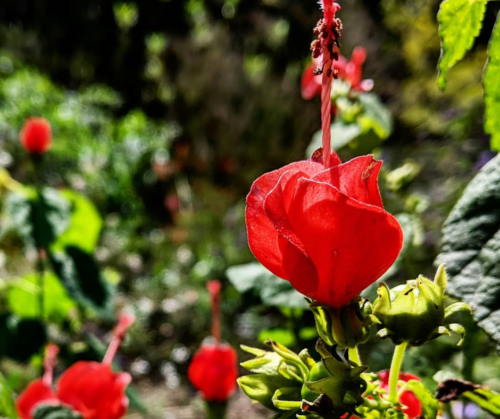
- Turk’s cap
- American beautyberry
- Chile pequin
- Heartleaf skullcap
- Inland sea oats
- Pigeonberry
- Porterweed
This is also a great place to experiment with plants that struggle in San Antonio’s harsh western exposures. See our Shade Plant list here to get started.
5. The Reflected-Heat Zone
Planting beds beside driveways, sidewalks, stone patios, masonry, gravel or other hard surfaces.
These areas can be deceptively harsh.
The air temperature might be the same as elsewhere in your yard, but surrounding hardscape absorbs solar radiation and sends additional heat toward your plants. Soil can also dry more quickly.
You’ll often find this microclimate around pool decks, rock gardens, mailboxes, driveways and sidewalks.
Try:
- Red yucca
- Cenizo/Texas Sage
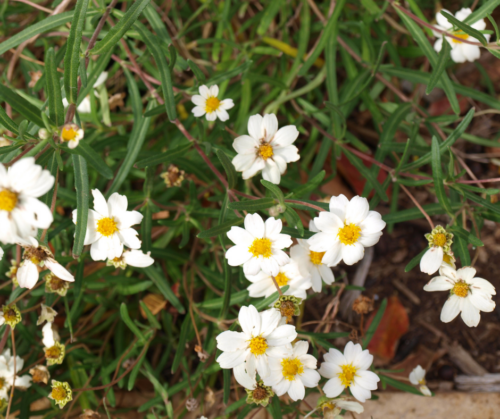
- Blackfoot daisy
- Damianita
- Autumn sage
- Esperanza
- Pride of Barbados
- Silver ponyfoot
- Prickly pear
An important thing to know: “Full sun” doesn’t automatically mean “reflected-heat tolerant.” A plant may handle six or eight hours of sunshine in an open garden but struggle when pavement and masonry are radiating additional heat around it. Plants that can thrive in reflected heat zone microclimates really earn their Texas-tough reputation.
6. The Wind Tunnel
Corners of buildings, narrow spaces between houses and open exposures are areas where wind regularly funnels through the landscape.
Wind can pull moisture from leaves and soil surprisingly quickly. So look for plants that can tolerate drought and possibly rapid temperature fluctuations. Plants with deep roots are also good options.
Wind can also damage plants with large, soft leaves or brittle branches, so save those for your protected microclimates. Avoid top heavy plants and tall annuals.
Try:
- Desert Willow (flexible limbs bend rather than break)
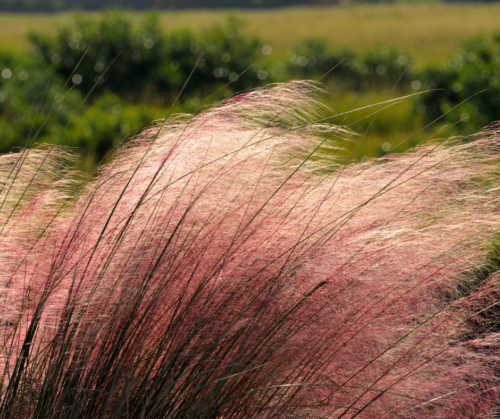
- Mexican Feather grass and Gulf Muhly grass (creates beautiful movement in the wind)
- Rosemary
- Ashe Juniper
- Live Oaks
- Texas sage/Cenizo
- Agarita
- Prickly Pear
Or use durable shrubs and grasses to create a living windbreak (Yaupon hollies) that makes conditions behind them more hospitable for other plants.
7. The Frost Pocket
Lower portions of your property, especially low areas surrounded by higher ground, fences or structures can pull in the cold.
Cold air behaves somewhat like water; it moves downhill and settles into low areas.
That means a low corner of your yard may experience colder temperatures than a protected area close to the house.
You may even notice frost in one part of the yard while another area remains untouched.
Try:
- Annuals like pansies and violas
- Texas Mountain Laurel
- Hollies
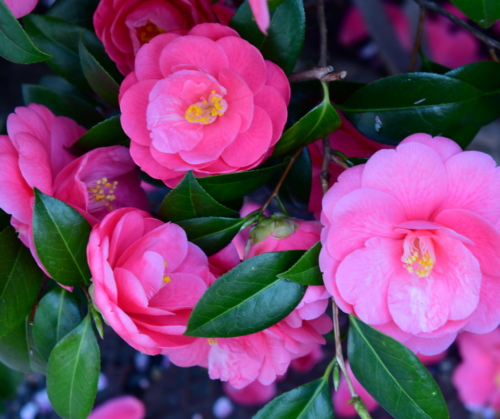
- Camellia
- Boxwoods
- Perennials
How to Find Your Microclimates
You don’t need special equipment to figure out where your microclimates are in your landscape. You just need a little time and some great observation.
Before you decide what to plant, take a walk around your property and look for these seven common San Antonio microclimates. Stand in the areas for a few minutes and when you move to a new area, really think about how the temperature and/or other elements transition as you do.
Walk your property at several different times of day and take note of:
- Where is the morning sun?
- Check again at noon and late afternoon. (Noon and 3:00 PM can be quite different.)
- Where does afternoon shade begin?
- Which wall gets blasted by western sun?
- Where does rainwater collect?
- Where does the soil dry fastest?
- Where does the wind funnel through?
- Where does frost appear first?
- Where does frost disappear first?
Sketch a simple map so you can plan out your garden. I bet you discover that your yard isn’t one growing zone at all. It’s a collection of little microclimates.
Once you’ve identified your microclimates, plant selection becomes much easier.
That scorching bed next to the driveway? Instead of fighting it, make it a heat-loving Texas garden with cenizo, red yucca, autumn sage and blackfoot daisy. That spot where water naturally collects? Consider plants that appreciate a little more moisture instead of repeatedly replacing drought-loving plants that rot there.
The goal isn’t to make every part of your yard have the same conditions; it’s to choose plants that fit the conditions you already have. And in San Antonio, that can mean healthier plants, fewer replacements and a landscape that requires less intervention to keep looking its best.
So, go take a few walks in your own landscape and see what microclimates you may have. Something cool could be waiting for you to discover it.
~The Happy Gardener, Lisa Mulroy


