



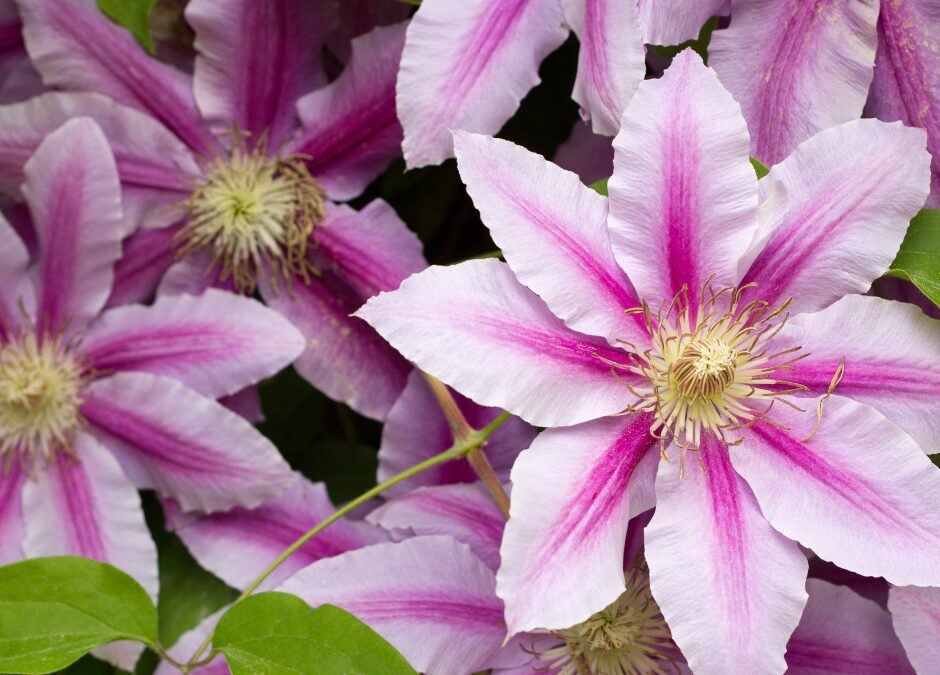
If you’re looking for a flowering vine that feels a little more refined than your typical climber, clematis is a standout. With its large, showy blooms and twining habit, clematis adds vertical interest, softens structures, and creates that “garden magazine” look—without needing a ton of space. Even better? Most clematis are perennial vines that perform beautifully right here in San Antonio, Texas, as long as you give them the right start.
Clematis is known for its:
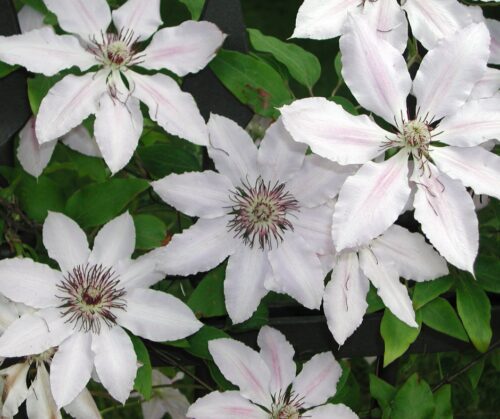
- Large, eye-catching blooms in purple, blue, pink, white, red, and bi-color
- Elegant, climbing habit that works in both formal and cottage gardens
- Ability to grow vertically without taking up much ground space
Some varieties bloom in spring, others in summer, and a few even rebloom in fall, so you can layer color through the seasons.
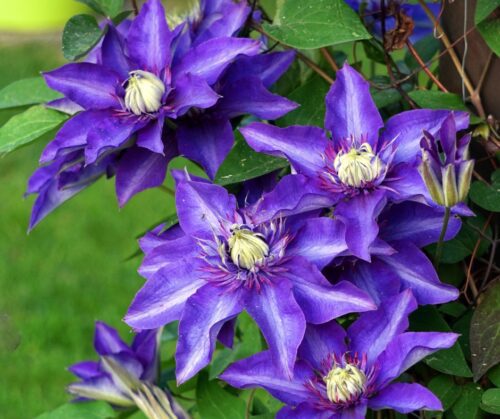
Growing Clematis in San Antonio, Texas
Getting clematis right in South Texas comes down to one phrase: “Head in the sun, roots in the shade.”
Light Requirements
- Full sun to part shade
- In San Antonio heat:
→ Morning sun + afternoon shade is ideal - Too much harsh afternoon sun can stress the plant
- Mulch around the root area can help keep roots cool
Soil Needs
- Well-drained, rich soil with organic matter
- Add:
- Compost
- Soil Conditioner
- Expanded shale (for drainage in clay soils)
- Slightly alkaline to neutral soil is fine (common in our area)
Spacing
- Space plants 3–5 feet apart
- Give airflow to reduce stress and improve flowering
- Don’t crowd—clematis likes its own space to climb and spread
Watering
- Keep soil consistently moist but not soggy
- Deep water 1–2 times per week during summer heat
- Mulch heavily to keep roots cool
Fertilizer
- Feed in early spring and again after first bloom
- Use:
- Balanced fertilizer OR
- Slightly higher phosphorus (to encourage blooms)
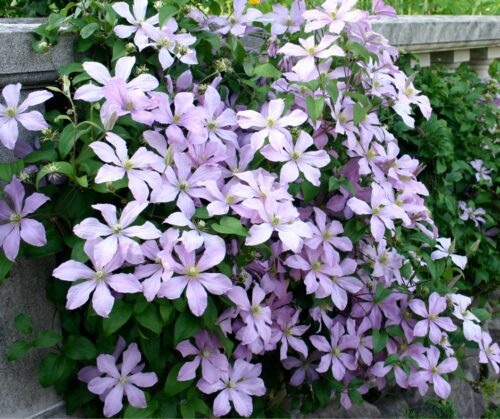
How to Use Clematis in Your Landscape
Clematis is a manageable climber compared to aggressive vines—perfect for structured spaces. It’s average mature growth is: 8–15′ long (some up to 20 ft depending on variety), and 3-6′ wide. Plant them to grow up:
- Arbors and pergolas
- Trellises (wood or metal)
- Fences
- Along walls with support wires
- Mailbox posts or small vertical accents
You can also grow clematis in containers:
- Use a large pot (at least 18–24 inches wide)
- Ensure excellent drainage (plenty of holes in pot, and good quality pottting mix)
- Keep roots shaded (add mulch or companion plants)
- Water more frequently in summer
Clematis Maintenance
Pruning Clematis
Clematis pruning depends on type, but here’s an easy breakdown:
- Spring bloomers (like armandii): prune after flowering
- Summer bloomers (like Jackmanii): cut back hard in late winter
If unsure:
→ Light pruning is always safe
→ Avoid cutting heavily until you know your variety
Cold Tolerance & Winter Care
- Most perennial clematis are hardy to Zone 6–9
- Usually no major winter protection needed besides adding mulch before winter to protect roots
- For rare, prolonged freezes:
- Water well the day or two before a freeze
- Cover base with mulch or frost cloth if needed
Quick Review to make Clematis Thrive
1. Shade the Roots
- Use mulch, stones, or low-growing plants
- Keeps roots cool in Texas heat
2. Plant Deep
- Plant crown 2–3 inches below soil level
- Encourages stronger growth and resilience
3. Give It Something to Grab
- Clematis climbs with small leaf stems (not tendrils)
- Use thin supports (wire, lattice, small trellis)
4. Be Patient
- First year: establishment
- Second year: better growth
- Third year: full, flowering vine
5. Don’t Overfeed Nitrogen
- Too much nitrogen = leaves, not flowers
Once established, clematis becomes one of the most rewarding vines you can grow. Whether you’re covering a trellis, dressing up a fence, or adding life to a patio container, clematis delivers beauty without overwhelming your garden.
~The Happy Gardener, Lisa Mulroy


