



Healthy soil is the foundation of every successful garden—but not all soils start out ideal. Clay-heavy beds, sandy soils, compacted ground, or lifeless potting mixes each need different fixes. That’s where soil amendments come in. They can offer better soil drainage, help retain moisture, improve nutrient uptake and more. The soil amendment aisle can be daunting when you don’t quite know what you are looking at. We thought it might help to give you a breakdown of some popular soil amendments and what they are commonly used for.
Soil Amendments for Improving Drainage & Soil Structure
Best for compacted, clay, or poorly draining soils
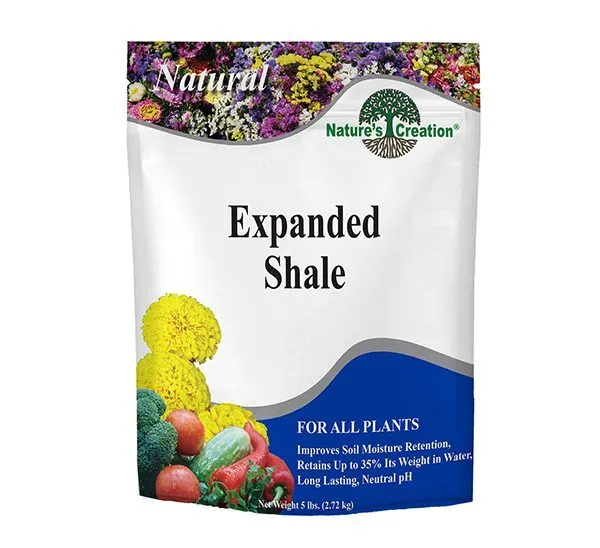
Expanded Shale
What it is: A lightweight, heat-expanded rock.
What it does:
- Permanently loosens heavy clay soil
- Improves drainage and aeration
- Creates pore space for roots and microbes
Best used for:
- In‑ground gardens (especially clay soil)
- Raised beds
Notes: Long-lasting and structural—this is a true soil investment rather than a short-term fix.
Lava Sand
What it is: Finely crushed volcanic rock.
What it does:
- Improves drainage without floating upward
- Adds mineral content
- Helps prevent soil compaction
Best used for:
- In‑ground beds
- Raised beds
- Mediterranean, native, or drought-tolerant plants
Notes: Heavier than perlite; excellent for windy or outdoor beds. Look for Nature’s Creation Lava Sand at Rainbow Gardens.
Chunky Perlite
What it is: Expanded volcanic glass.
What it does:
- Increases air flow
- Prevents soil compaction
- Keeps roots oxygenated
Best used for:
- Container gardens
- Houseplants
- Raised beds (light use)
Notes: Very lightweight—can float to the surface in outdoor beds.
Soil Amendments for Moisture Retention & Root Support
Best for sandy soils or fast‑draining mixes
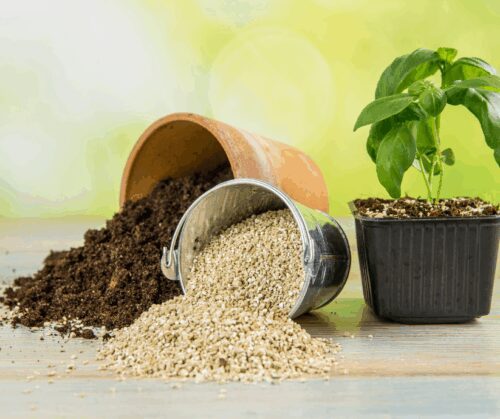
Vermiculite
What it is: Heat-expanded mineral with a sponge-like structure.
What it does:
- Holds moisture and nutrients
- Improves seed germination
- Buffers soil moisture swings
Best used for:
- Containers
- Seed starting mixes
- Raised beds
Notes: Avoid in heavy clay—can retain too much water.
Peat Moss
What it is: Partially decomposed organic matter from peat bogs.
What it does:
- Improves water retention
- Lightens dense soil
- Slightly acidifies soil
Best used for:
- Containers
- Raised beds
- Acid‑loving plants
Notes: Use sparingly in native soil and always mix thoroughly.
Amendments for Conditioning & Organic Matter
Best for improving overall soil health and texture
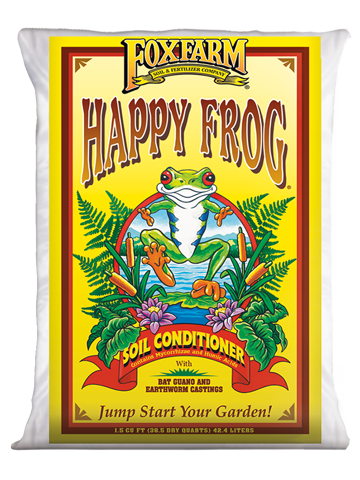
Soil Conditioners
What they are: Blends of compost, aged bark fines, and organic matter.
What they do:
- Improve soil structure
- Increase microbial activity
- Help balance moisture and drainage
Best used for:
- In‑ground gardens
- Raised beds
Notes: Ideal for clay soils that need loosening and biological activity.
Amendments for Nutrient Availability & Soil Biology
Best for boosting nutrient efficiency rather than adding fertilizer
Humate / Humic Acid
What it is: Concentrated organic carbon from ancient plant material.
What it does:
- Improves nutrient uptake
- Enhances microbial activity
- Helps plants tolerate stress
Best used for:
- In‑ground beds
- Raised beds
- Containers (small amounts)
Notes: Works synergistically with fertilizers. This is like a little power boost that makes fertilizers more effective.
Green Sand
What it is: Mineral-rich glauconite.
What it does:
- Adds potassium and trace minerals
- Improves soil texture over time
- Enhances root development
Best used for:
- In‑ground gardens
- Raised beds
Notes: Slow‑acting—best as a long-term soil builder.
Soil Amendments for Soil Cleanliness & Root Health
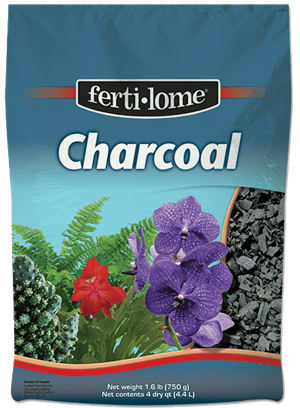
Horticultural Charcoal
What it is: Activated charcoal for horticultural use.
What it does:
- Improves drainage
- Adsorbs impurities
- Keeps soil fresh in containers
Best used for:
- Containers
- Houseplants
- Terrariums
Notes: Not a fertilizer; works best in small amounts.
Quick Soil Fix Guide
Here’s a quick reference breakdown of which soil amendments work best for which type of soil.
-
Heavy clay soil: Expanded shale + soil conditioner + gypsum
-
Sandy soil: Peat moss + vermiculite + humate
-
Poor drainage: Lava sand or expanded shale
-
Containers drying too fast: Vermiculite or peat moss
-
Nutrient lock‑up: Humic acid + green sand
-
pH issues: Lime (to raise) or sulfur (to lower)
The best soil amendment depends on what your soil needs most. Understanding whether you’re fixing structure, moisture, nutrients, or chemistry will help you choose smarter—and grow stronger, healthier plants. Come see us at Rainbow Gardens where we can help you pick out the right soil amendments for your gardening needs.
~The Happy Gardener, Lisa Mulroy


